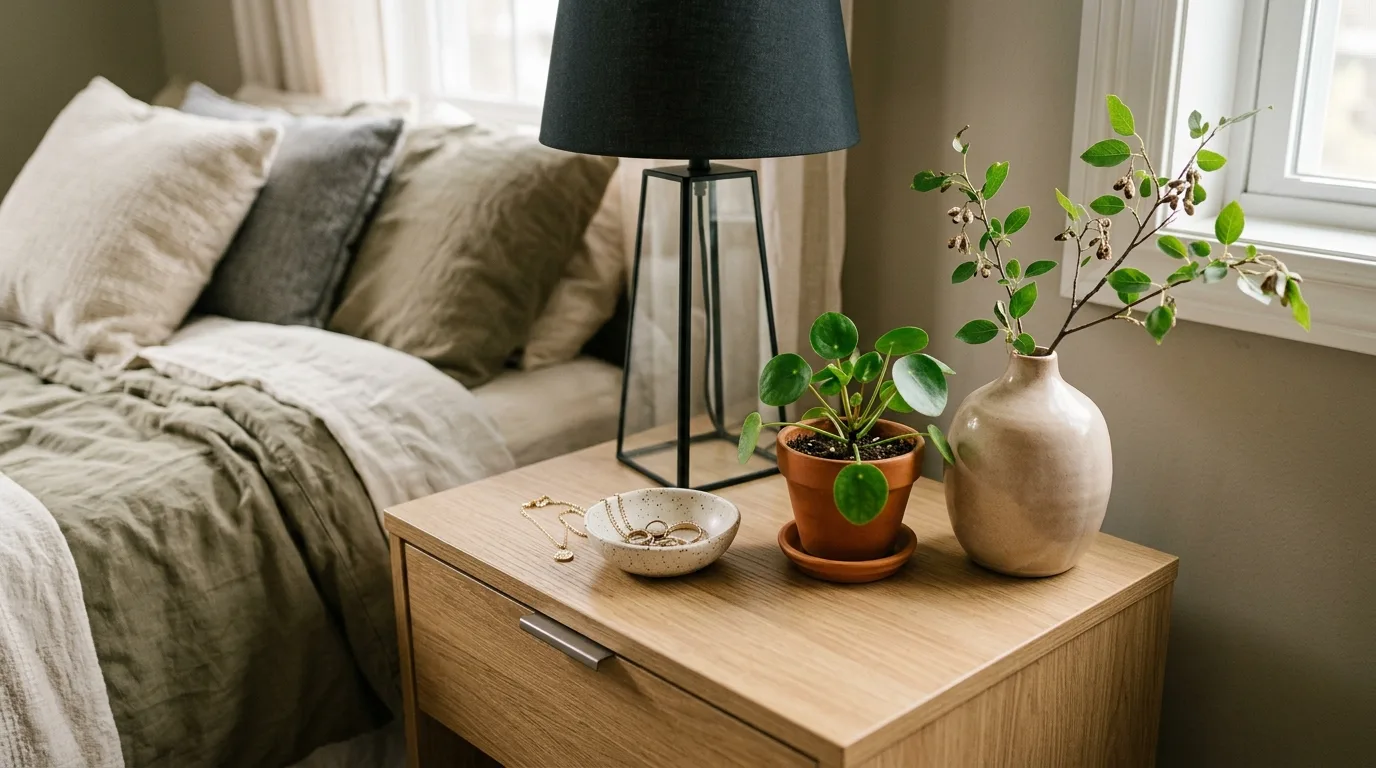
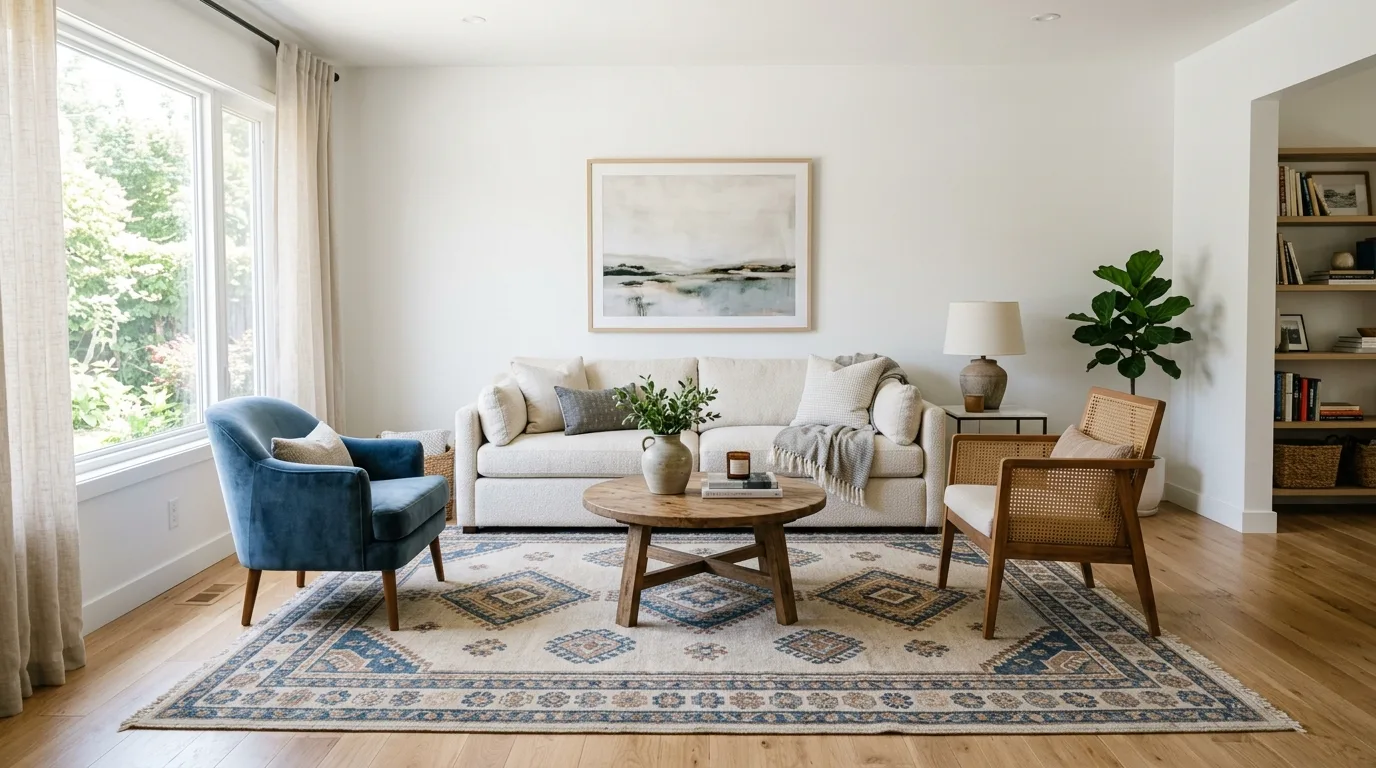
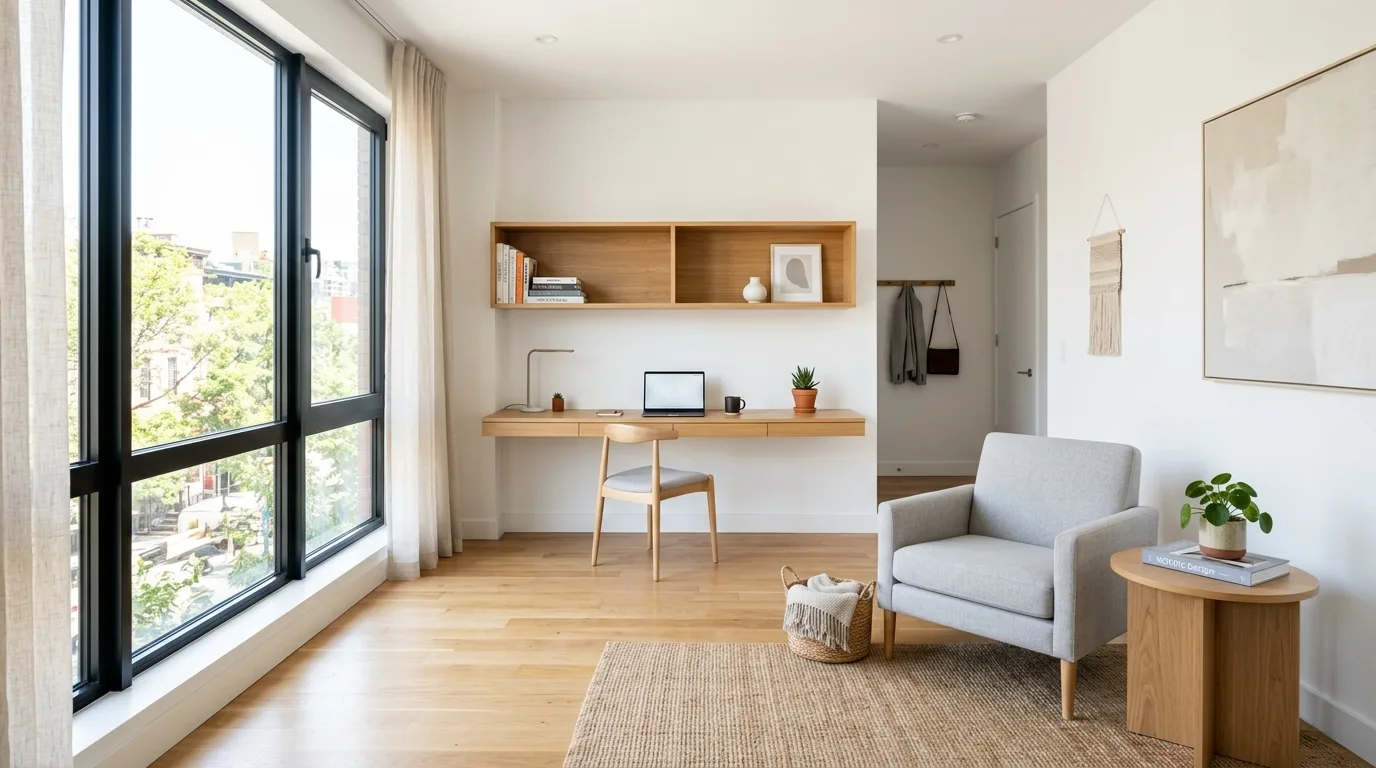
A small living room feels easier to use when the furniture arrangement supports movement and keeps the room from looking overcrowded. The goal is not to fit in every piece you might want, but to choose the right scale and place each item so the room feels balanced, comfortable, and more open than its square footage might suggest.
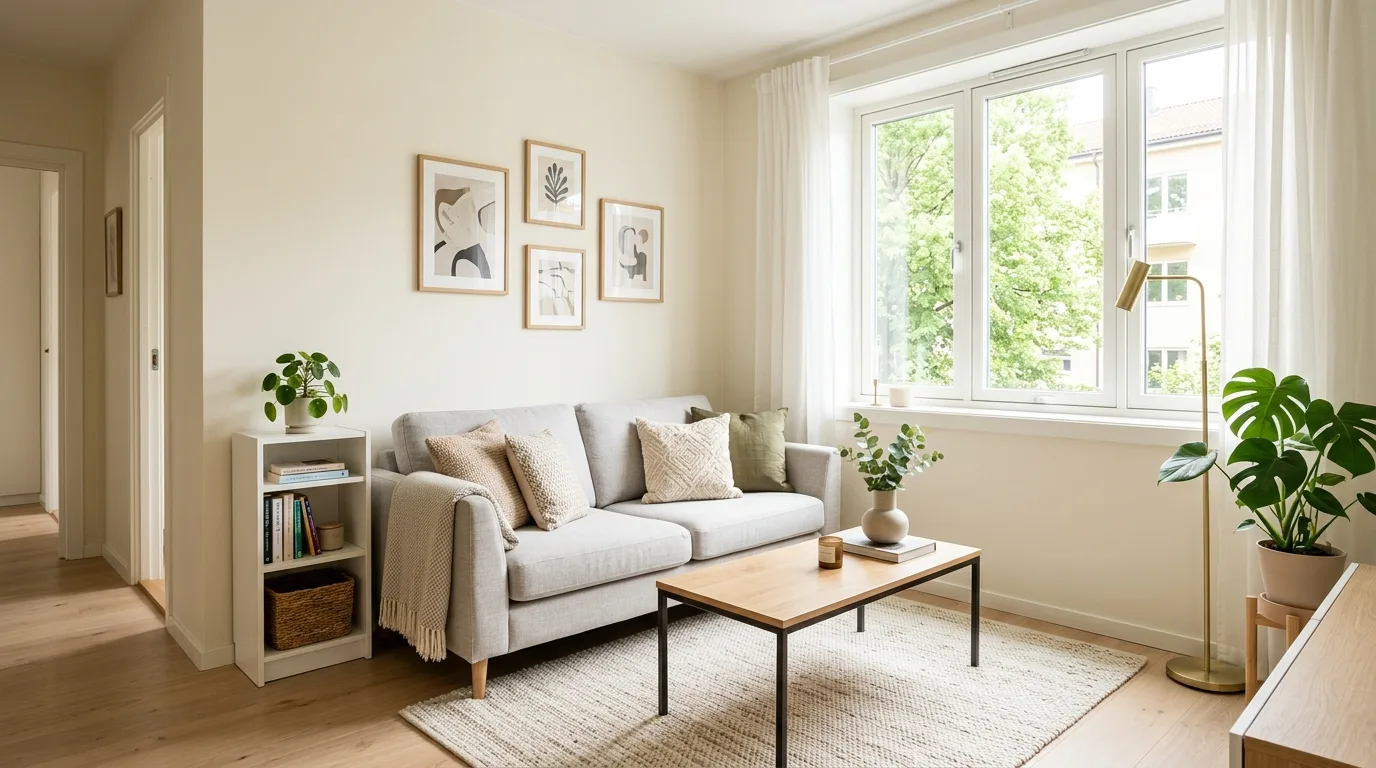
Choose furniture scaled to the room
Loveseats, slim chairs, and lighter coffee tables often work better than bulky full-size pieces in a compact space.
Styling tip: Keep the lighting warm and soft so the setup feels inviting instead of harsh.
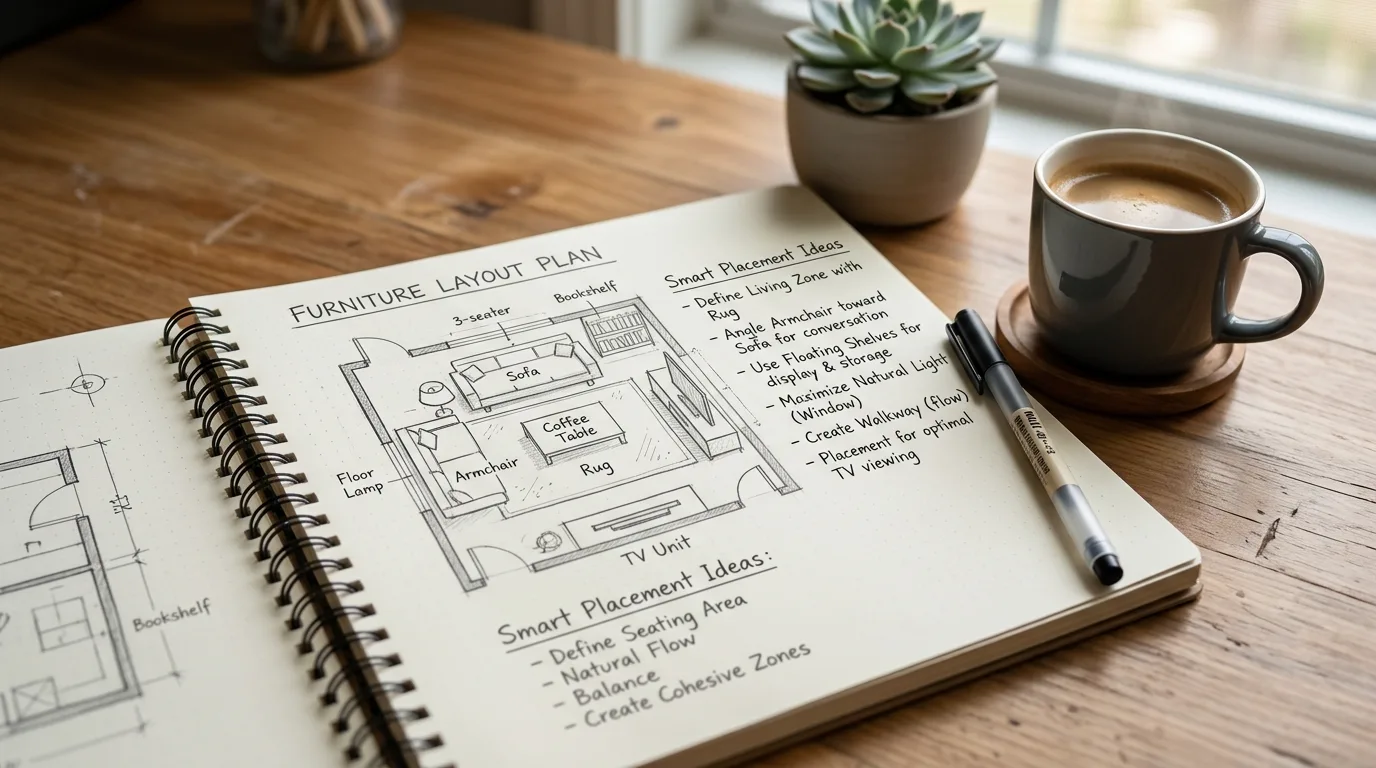
Anchor the room around one focal point
A TV, fireplace, or key window view gives the layout a clear direction and helps avoid scattered placement.
Styling tip: Focus on one clear focal point helps every furniture decision feel easier.
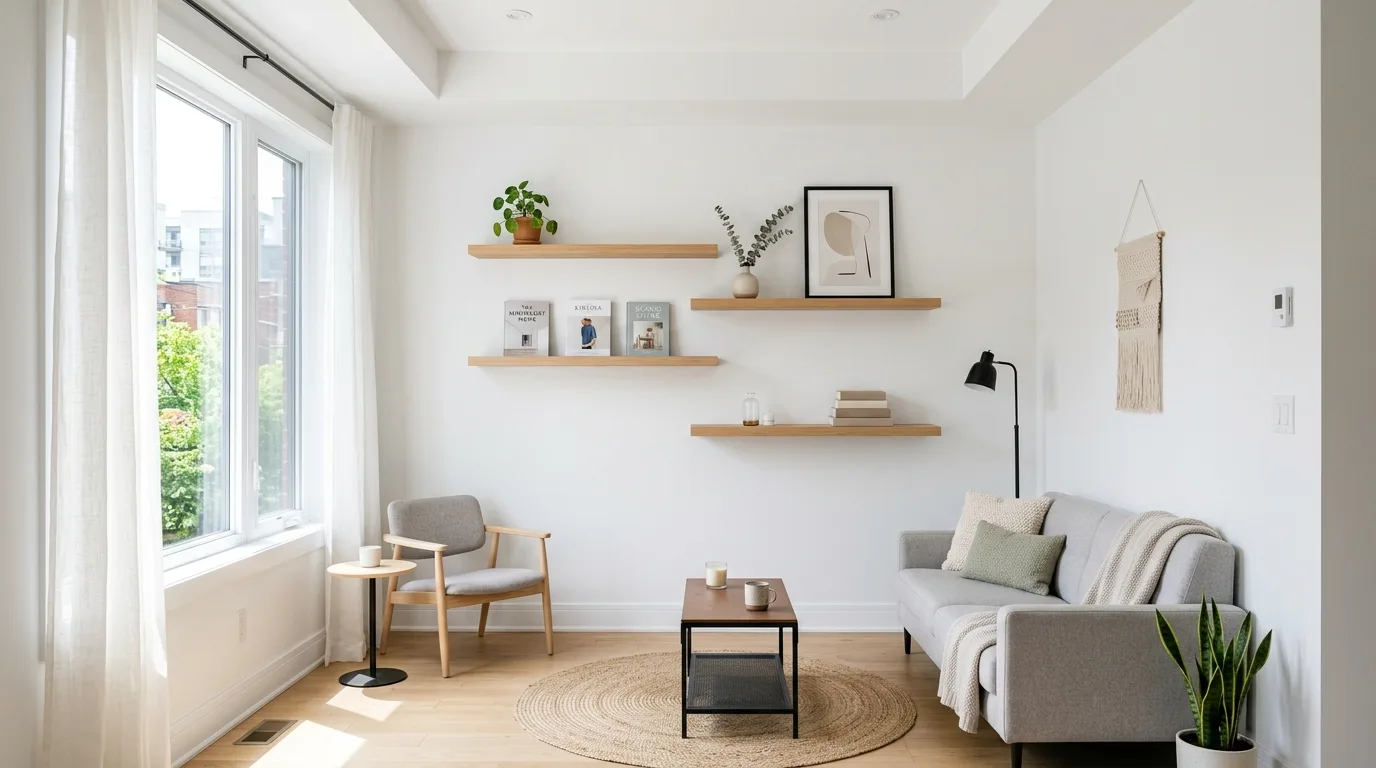
Keep one main walking path open
A small room feels much more comfortable when you can move through it naturally without weaving around furniture.
Styling tip: Leave a little breathing room around the main pieces so the space does not feel crowded.
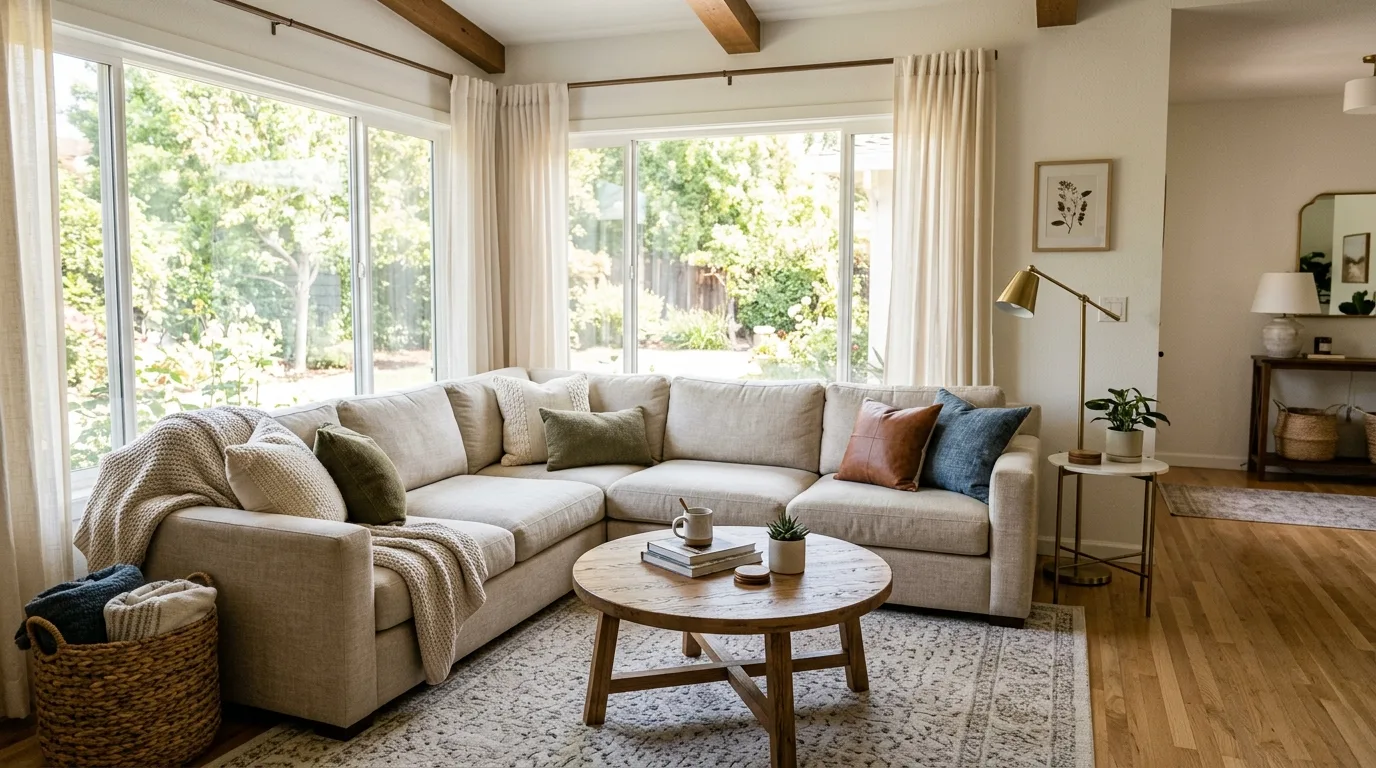
Use the wall strategically, not automatically
Sometimes placing everything against the wall works, but in other rooms floating one piece slightly can improve flow.
Styling tip: Keep the lighting warm and soft so the setup feels inviting instead of harsh.
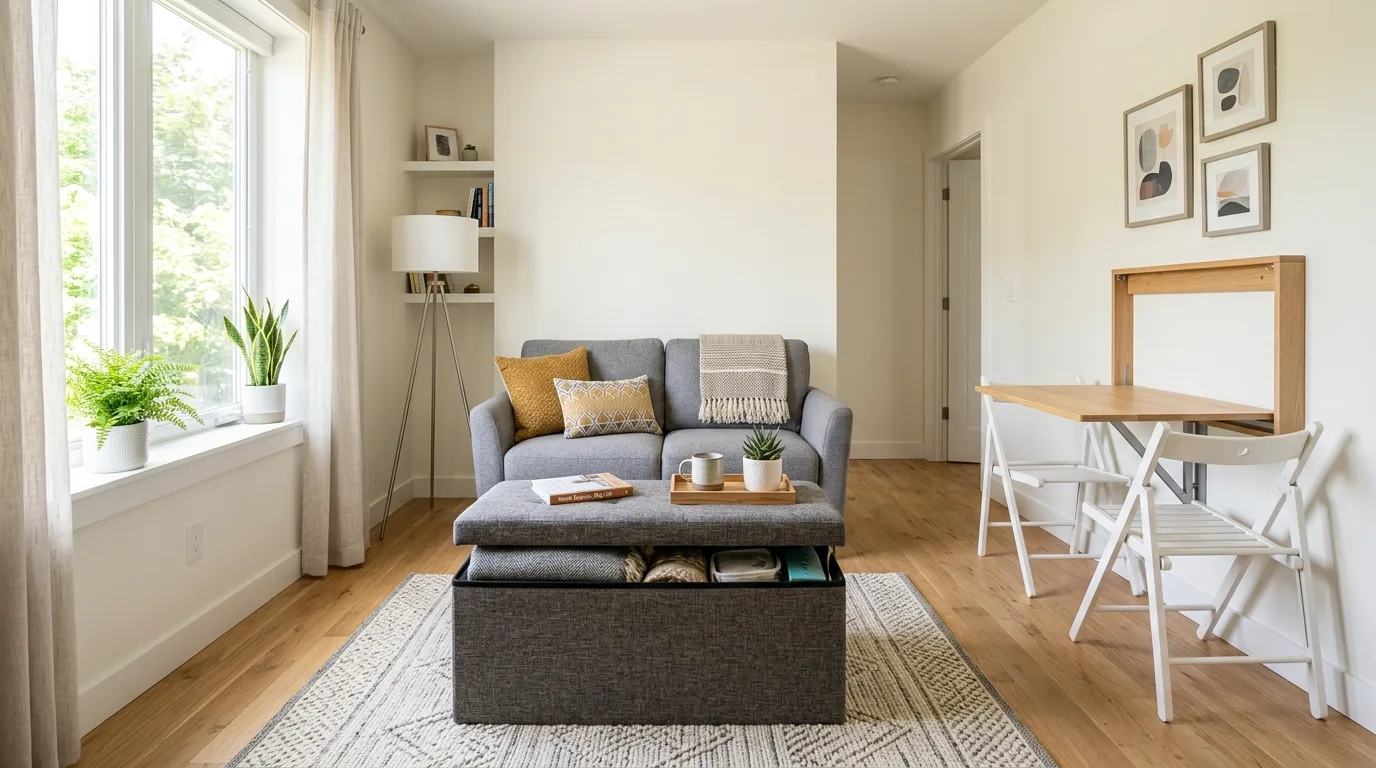
Try a sectional only if it truly fits
A compact sectional can maximize seating, but only if it does not block circulation or visually dominate the room.
Styling tip: Leave a little breathing room around the main pieces so the space does not feel crowded.
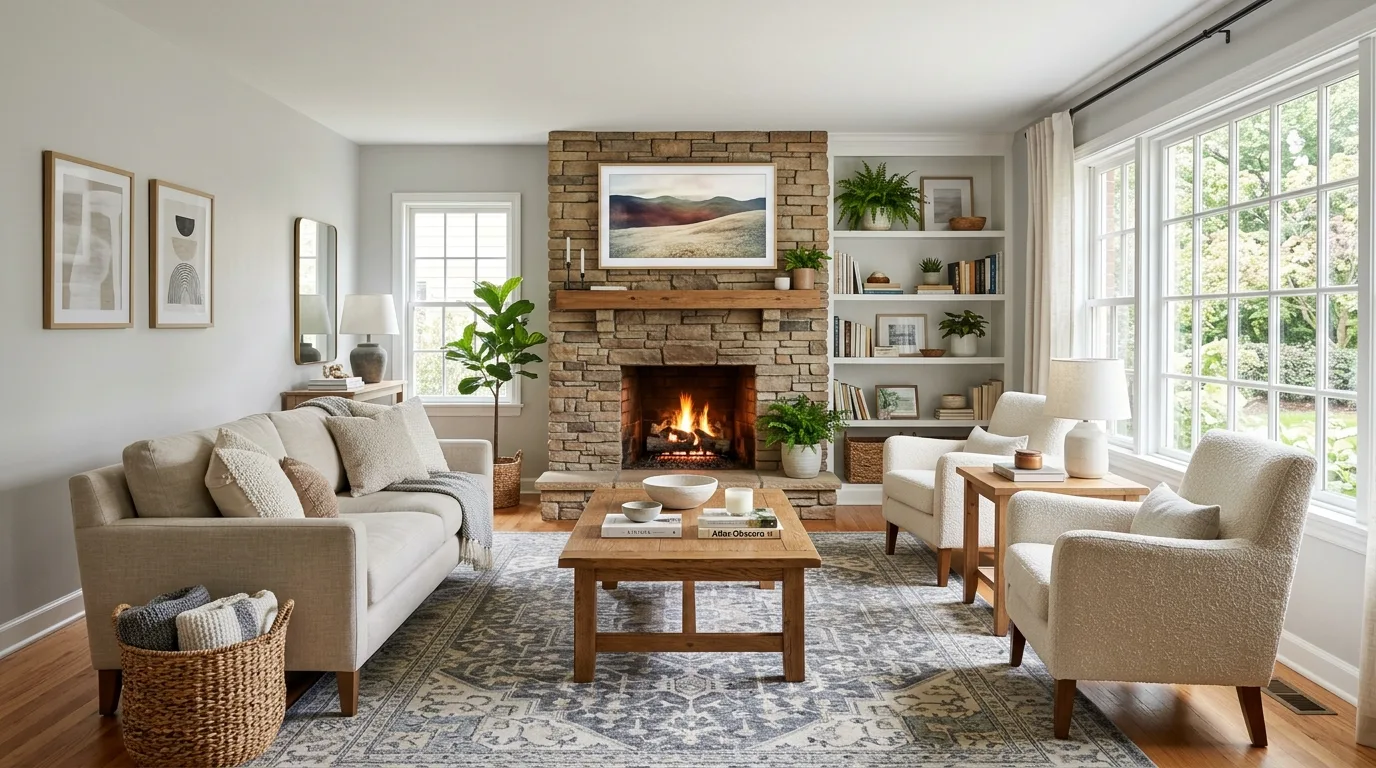
Choose multifunctional pieces
Storage ottomans, nesting tables, and pieces that serve more than one role can make the layout far more efficient.
Styling tip: Use one contained storage zone so the room stays easier to maintain day to day.
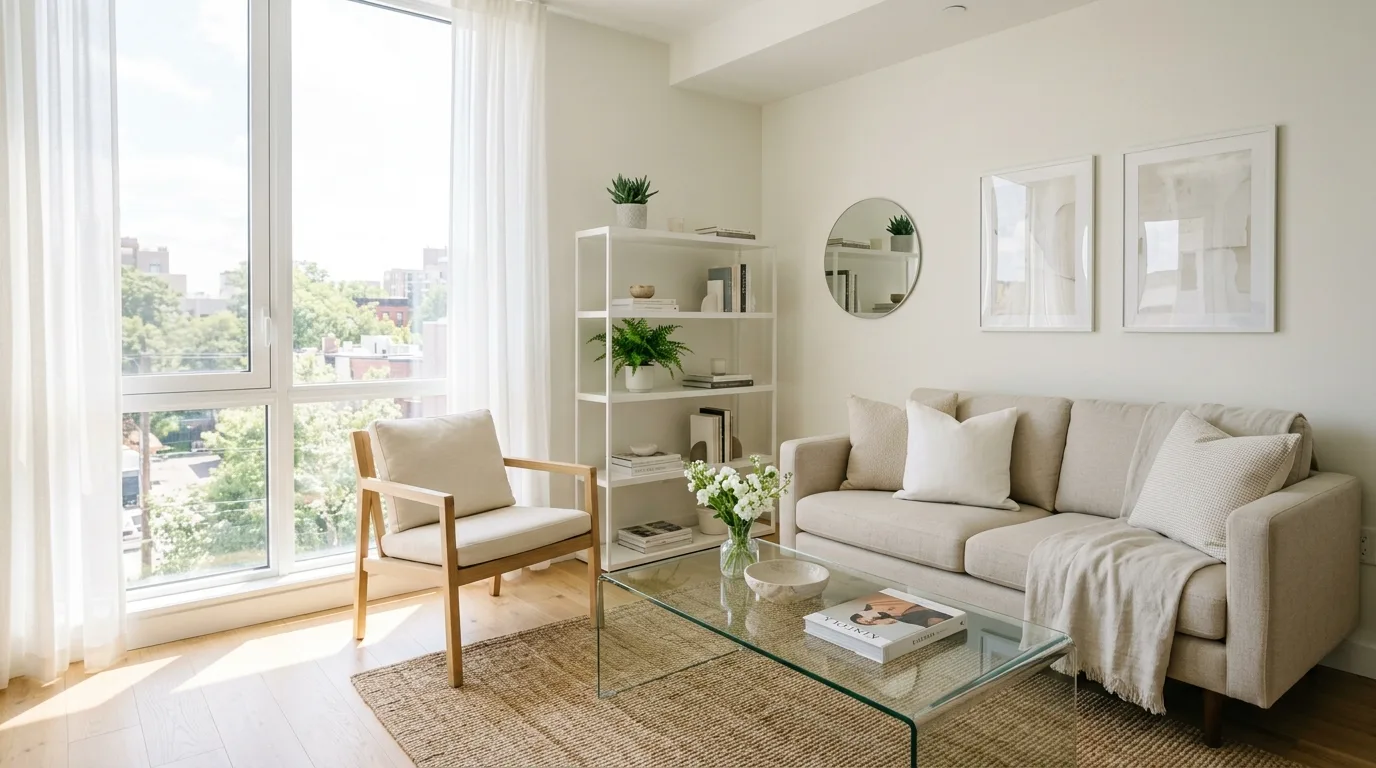
Use a glass or visually light coffee table
A lighter-looking table helps preserve openness and keeps the center of the room from feeling blocked.
Styling tip: Keep the lighting warm and soft so the setup feels inviting instead of harsh.
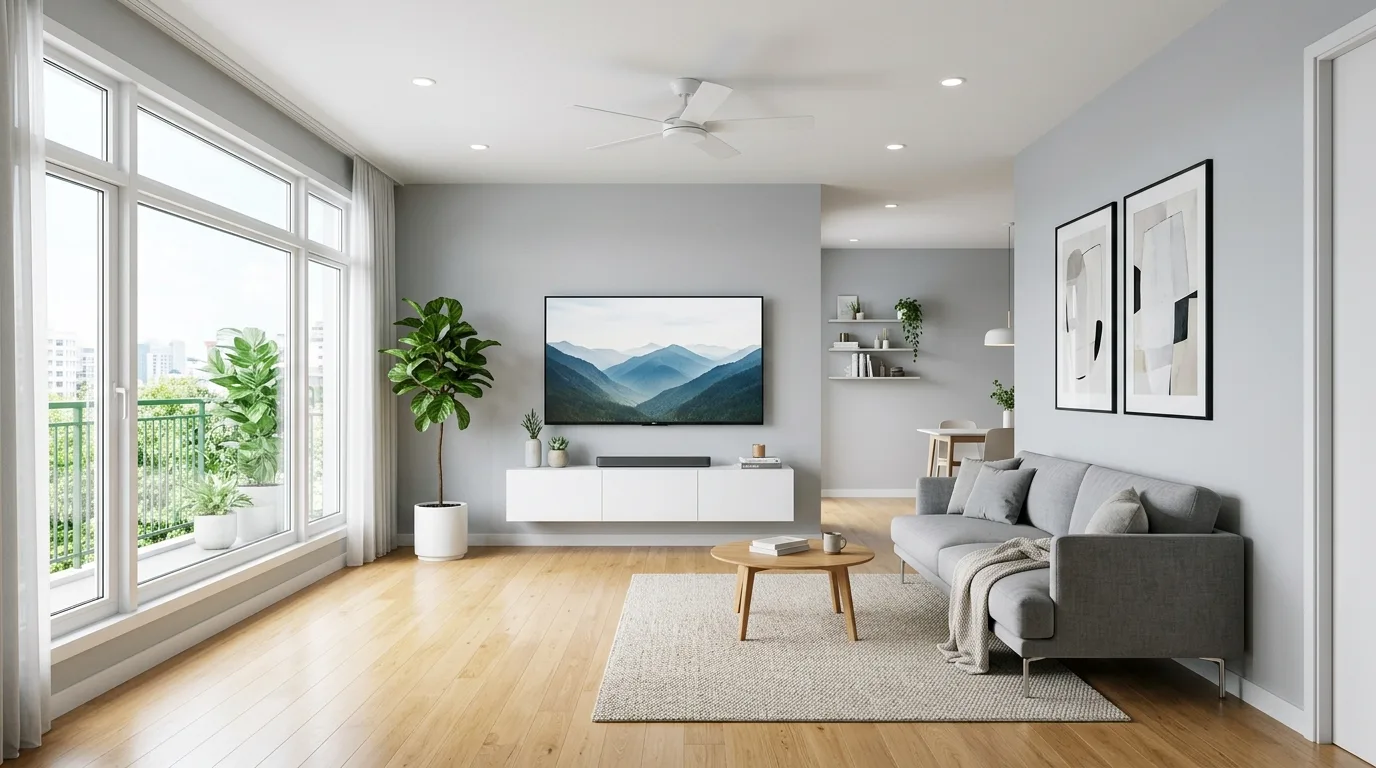
Mount the TV if possible
Wall-mounted media solutions free up valuable floor space and simplify the room visually.
Styling tip: Give the wall feature enough blank space around it so it can read as a focal point.
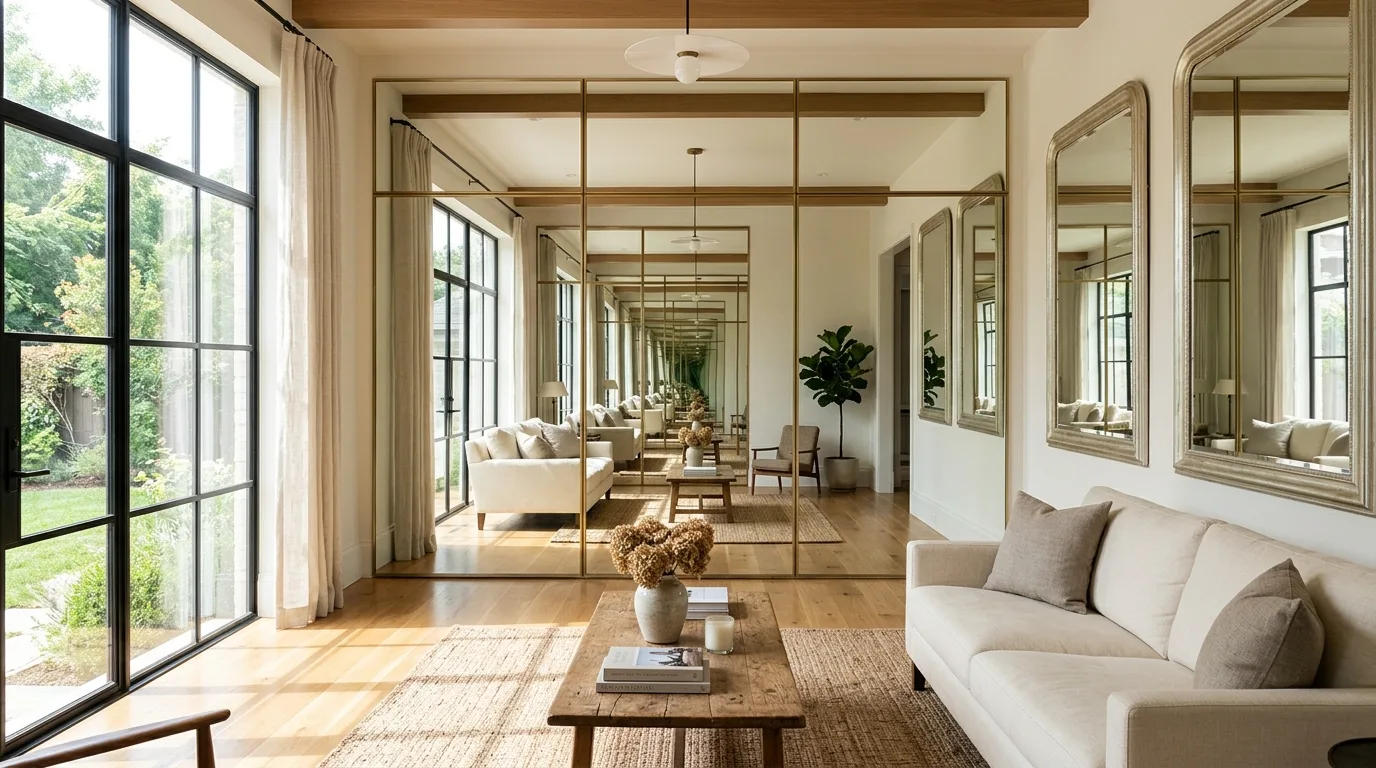
Bring in mirrors to extend the light
Mirrors can help a small living room feel larger by reflecting windows and brightening the whole arrangement.
Styling tip: Keep the lighting warm and soft so the setup feels inviting instead of harsh.
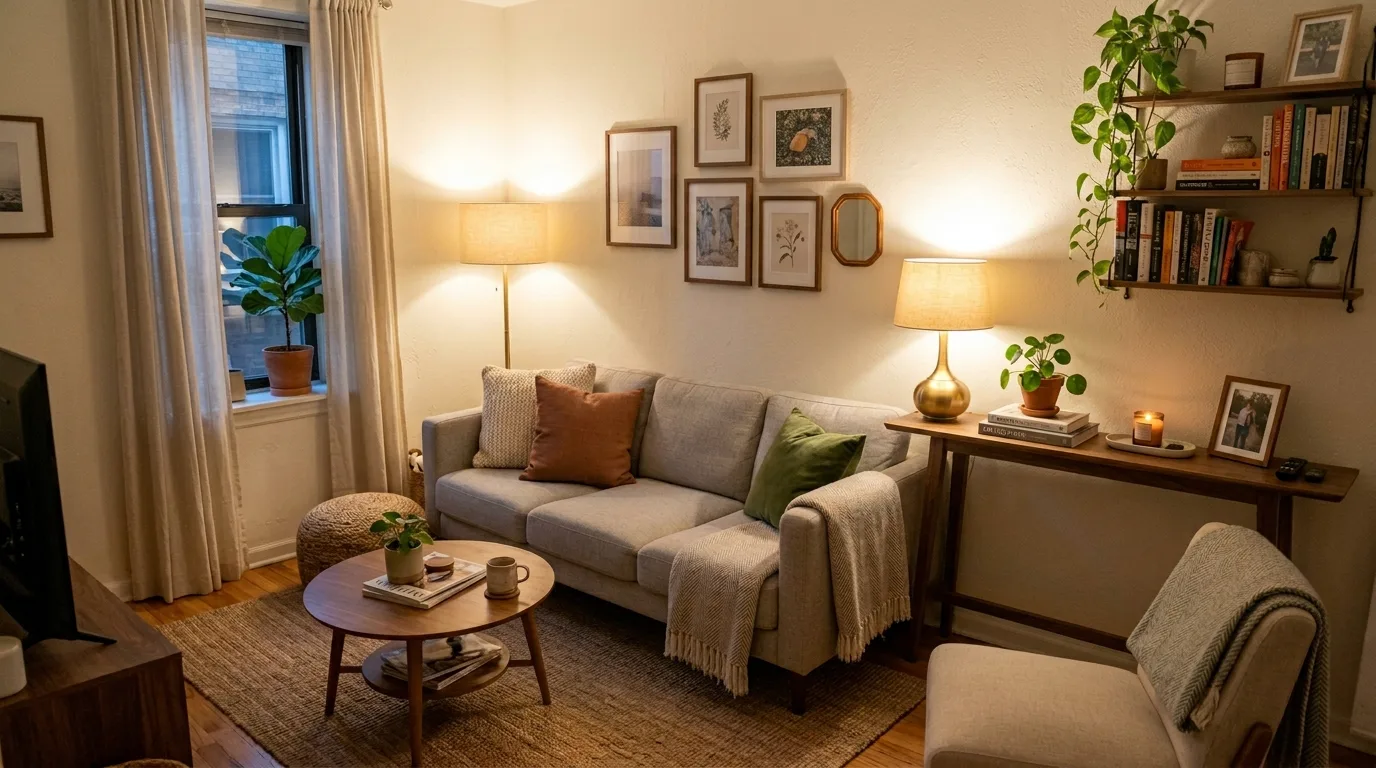
Add layered lighting for depth
Floor lamps and table lamps help the room feel more dimensional and comfortable without taking much extra space.
Styling tip: Keep the lighting warm and soft so the setup feels inviting instead of harsh.
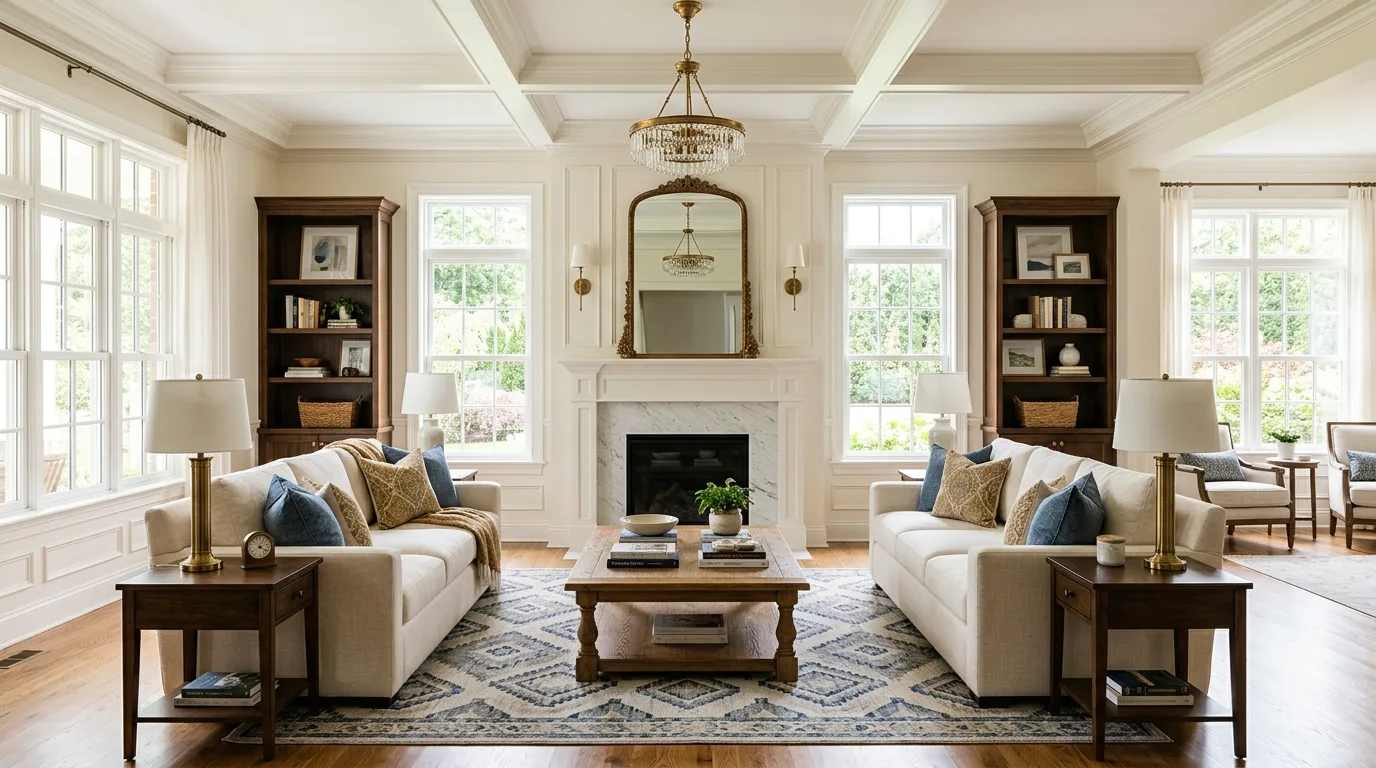
Use symmetry where it helps
A balanced arrangement with paired tables or matching chairs can make a small room feel calmer and more organized.
Styling tip: Use one contained storage zone so the room stays easier to maintain day to day.
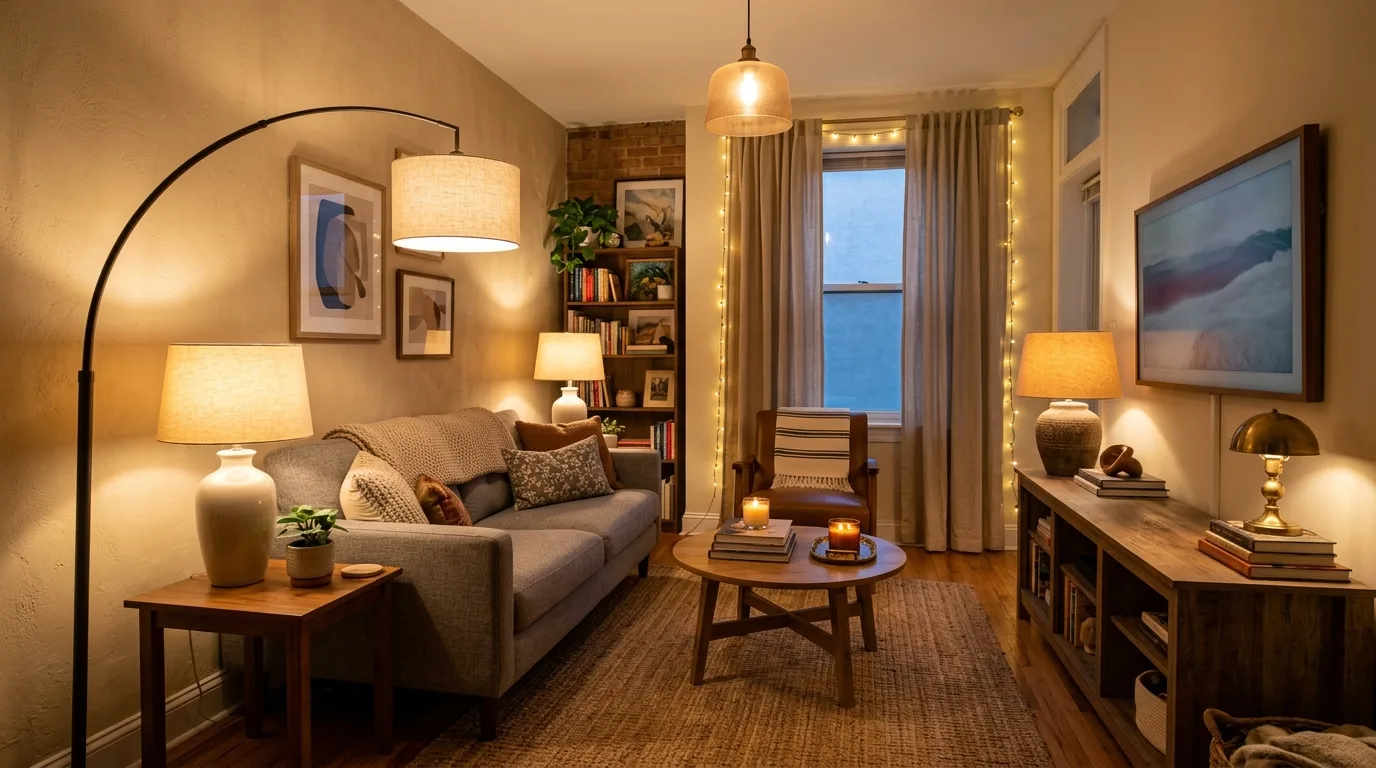
Keep surface clutter minimal
Even a good layout can feel cramped if tables and consoles are overloaded with too many items.
Styling tip: Keep the surface edited so the functional pieces still have room to look styled.
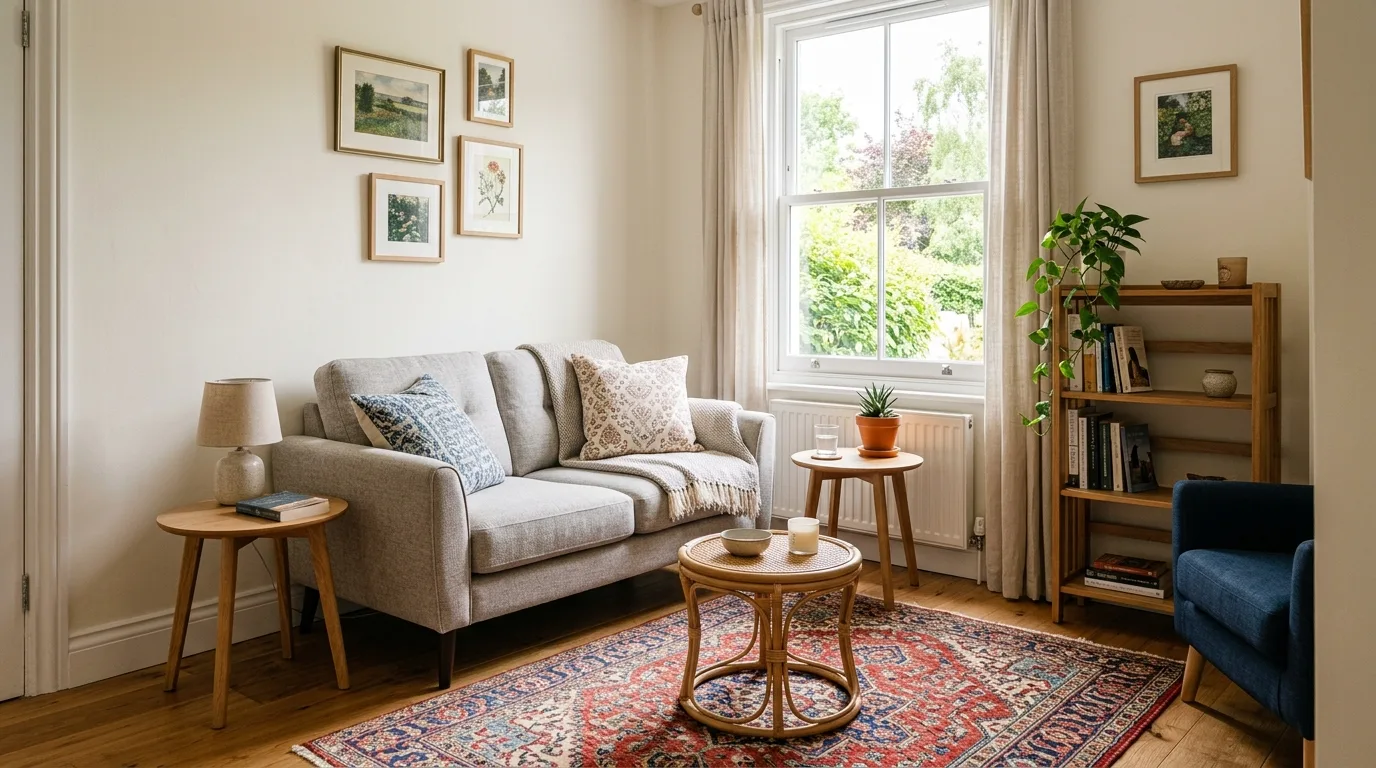
Arrange for real life, not only looks
The best small living room layouts feel successful because they support conversation, comfort, and daily use without strain.
Styling tip: Leave a little breathing room around the main pieces so the space does not feel crowded.
Final Takeaway
A small living room feels easier to use when the furniture arrangement supports movement and keeps the room from looking overcrowded. Start with scale matters more than quantity in a small living room, then build around the pieces that make the space feel easier to use and nicer to look at every day.