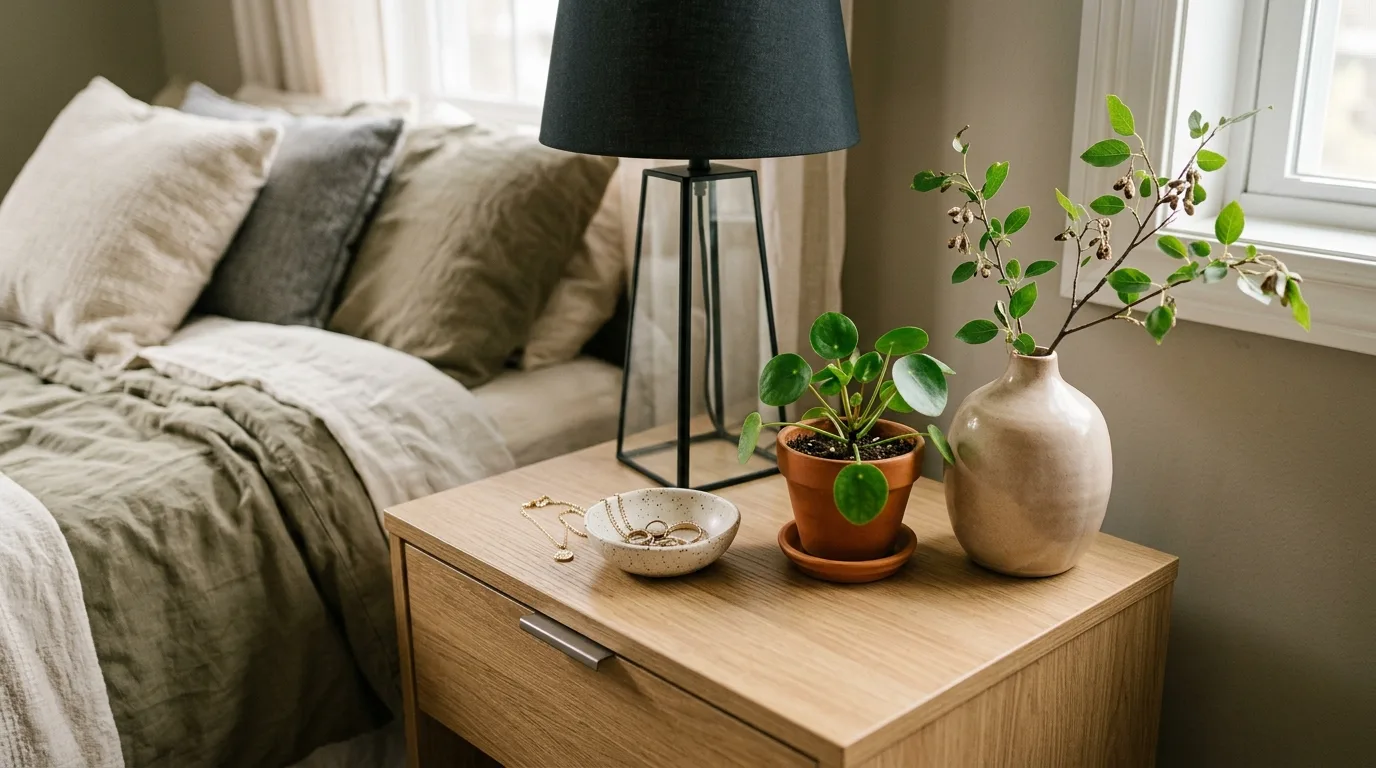
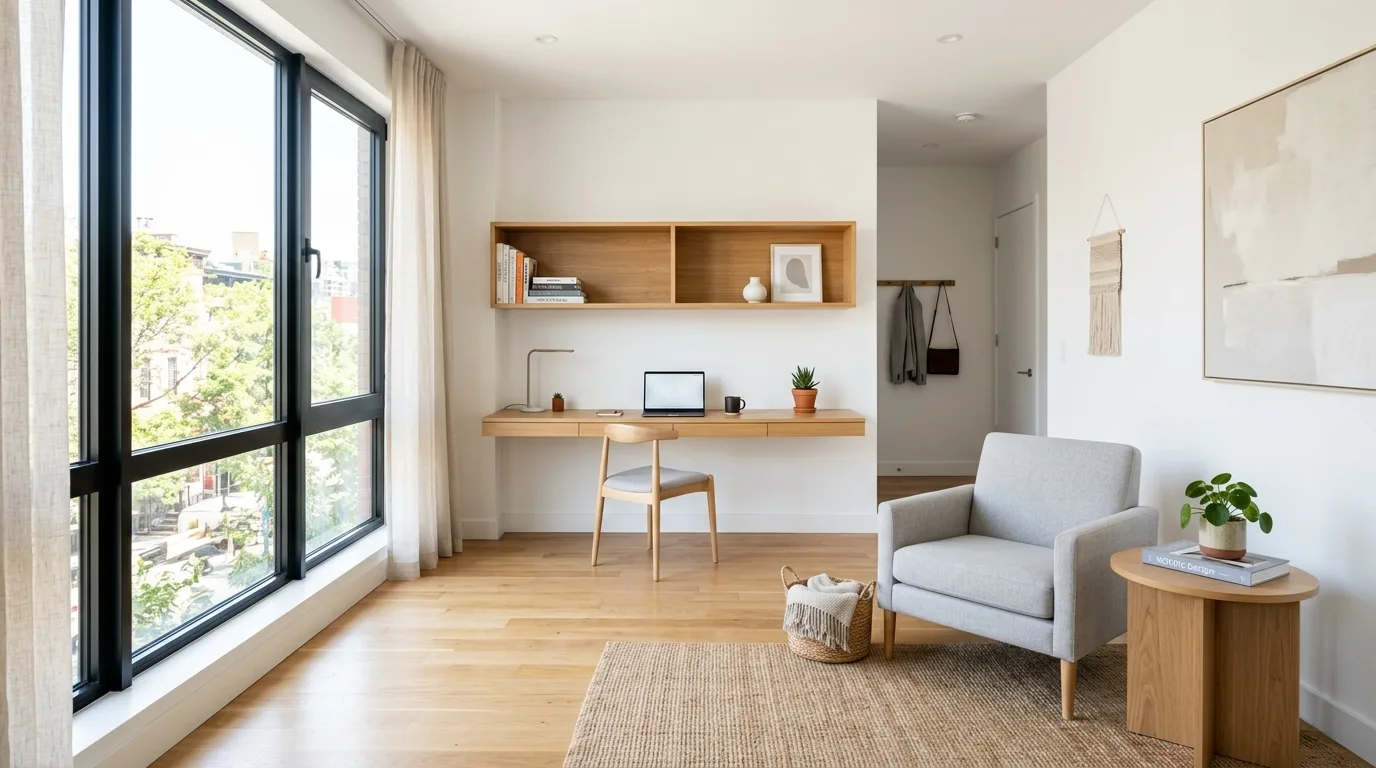
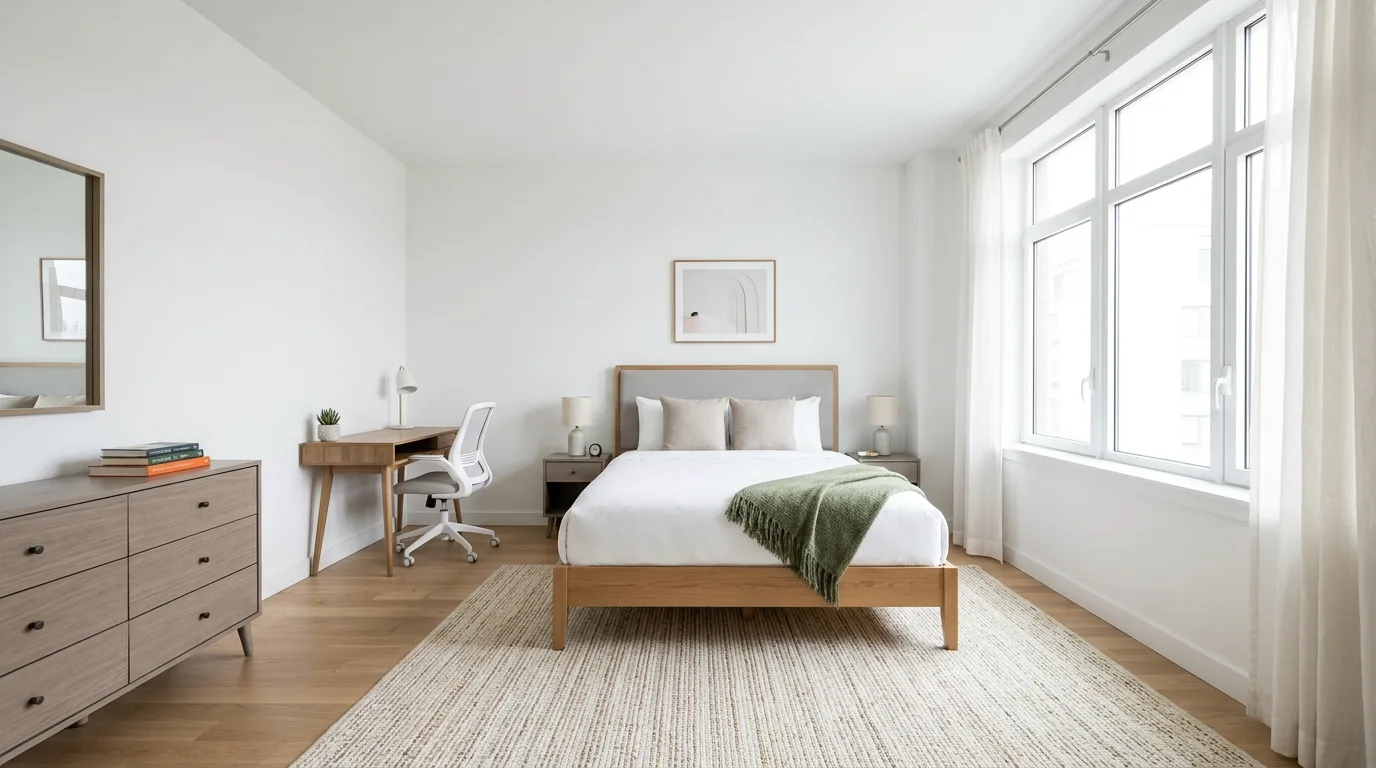
An awkward living room usually feels frustrating because the layout is fighting the way you actually move through the space. Once you choose a clear focal point and build the furniture plan around conversation, comfort, and traffic flow, even an odd-shaped room can feel balanced and inviting.
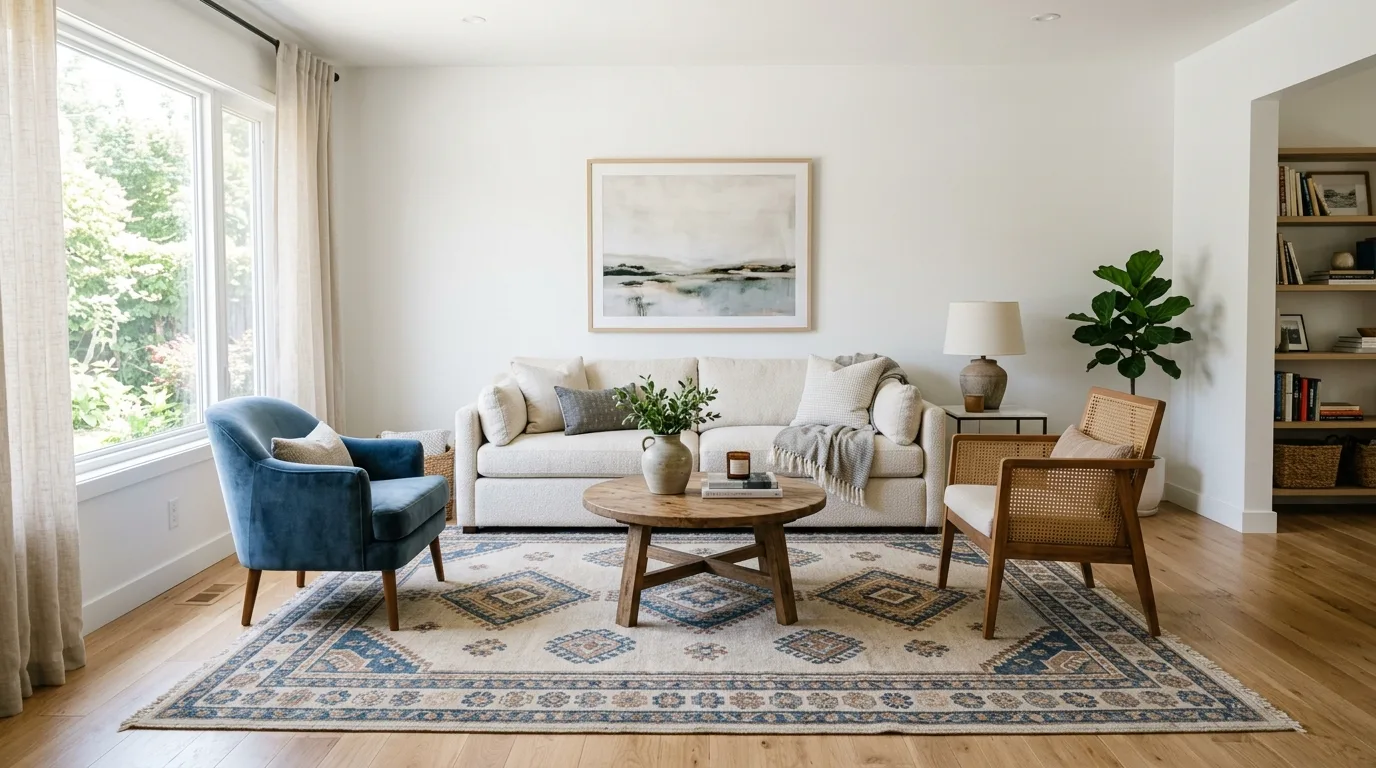
Use the longest wall for the sofa
Placing the largest seating piece on the longest uninterrupted wall often creates the most visual order. From there, you can balance the room with chairs, a loveseat, or a coffee table without blocking circulation.
Styling tip: Keep the surface edited so the functional pieces still have room to look styled.
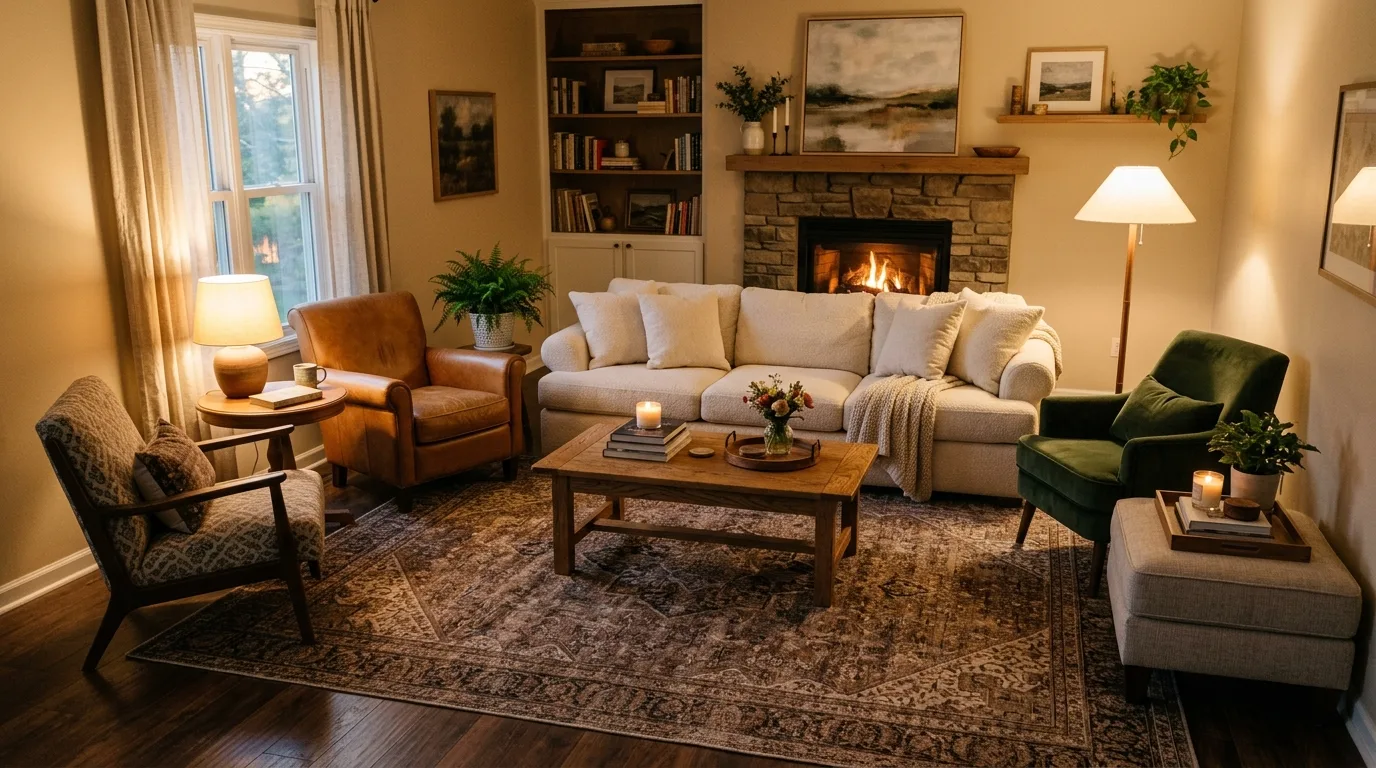
Try a U-shaped conversation zone
A U-shaped arrangement works well when the room feels disconnected because it gives every seat a reason to relate to the others. This setup is especially helpful for entertaining and family rooms.
Styling tip: Focus on rugs and seating groups to define zones inside hard-to-shape rooms.
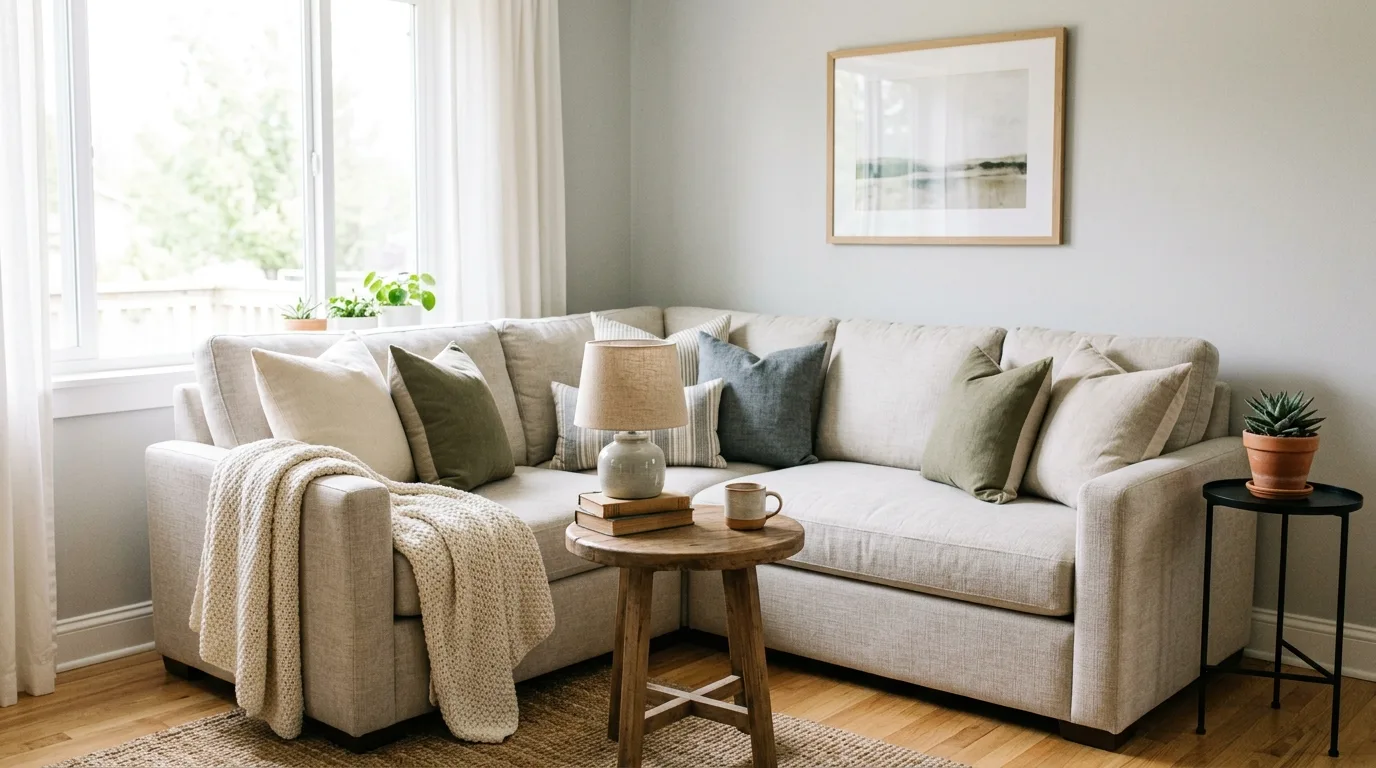
Turn a corner into a cozy nook
Sectionals or paired chairs can make underused corners feel intentional instead of leftover. Add a lamp and side table so the corner reads as a destination rather than dead space.
Styling tip: Keep the lighting warm and soft so the setup feels inviting instead of harsh.
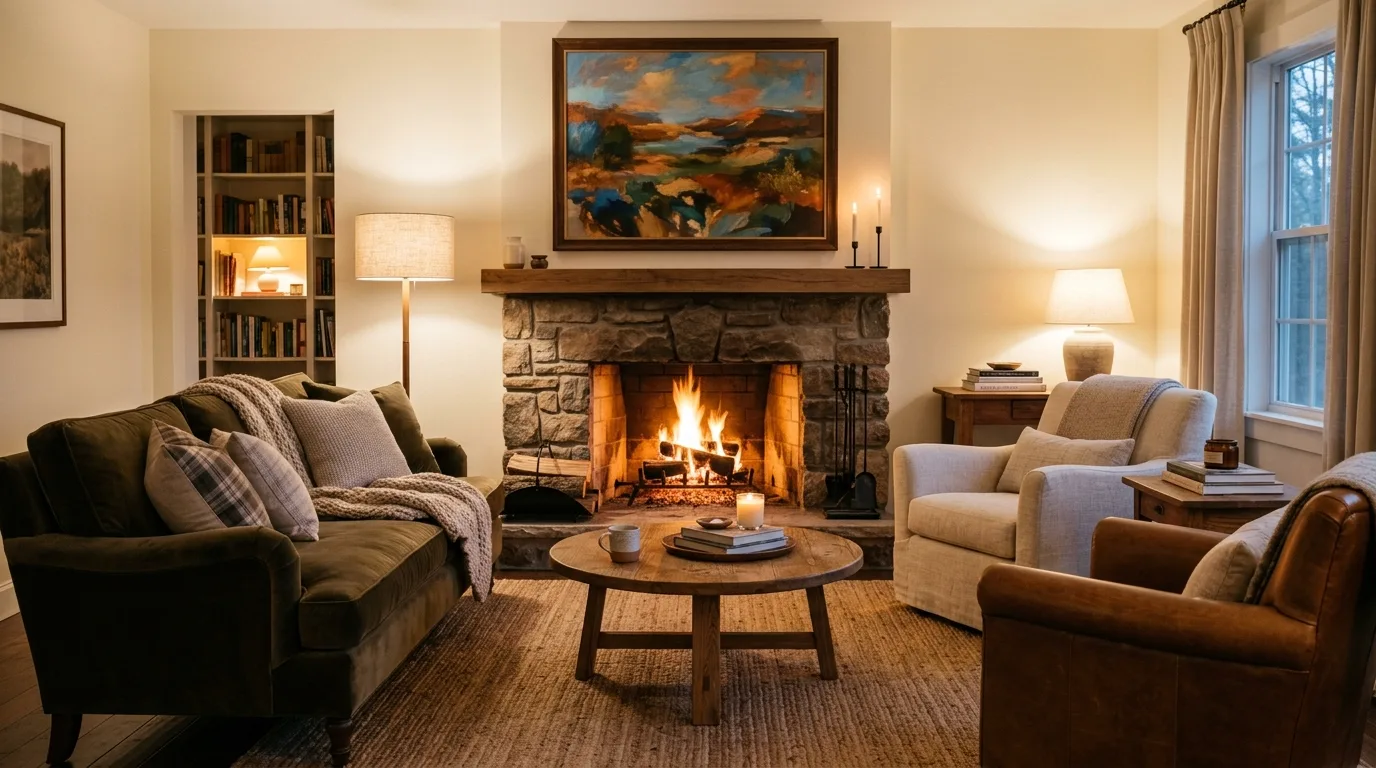
Arrange around one focal point
Whether your room has a fireplace, a television, or a large piece of art, the furniture should support that anchor instead of competing with it. A clear center immediately makes unusual rooms feel easier to understand.
Styling tip: Give the wall feature enough blank space around it so it can read as a focal point.
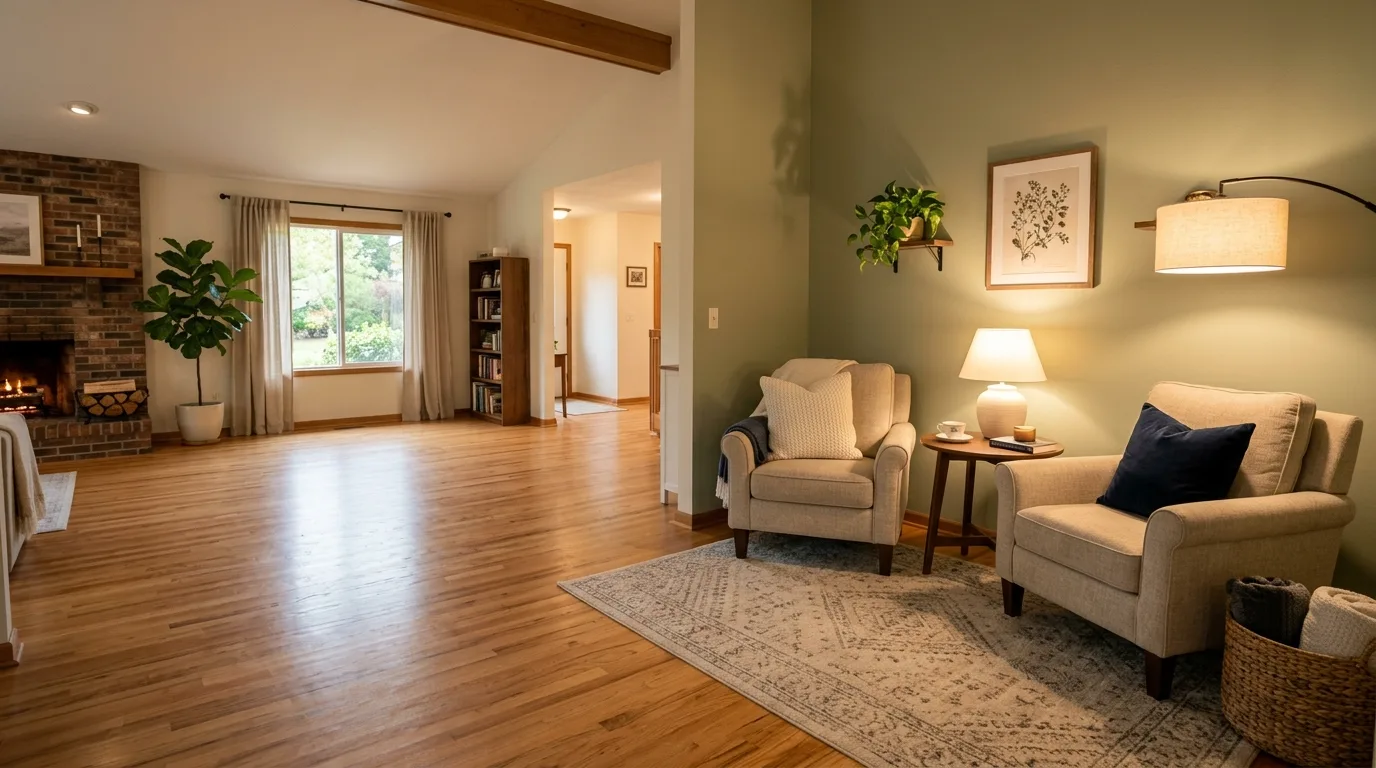
Open the middle by shifting seating outward
Sometimes the best solution is to place a small conversation area off to one side and leave the center more open. This can improve movement in rooms with awkward doorways or diagonal walk paths.
Styling tip: Leave a little breathing room around the main pieces so the space does not feel crowded.
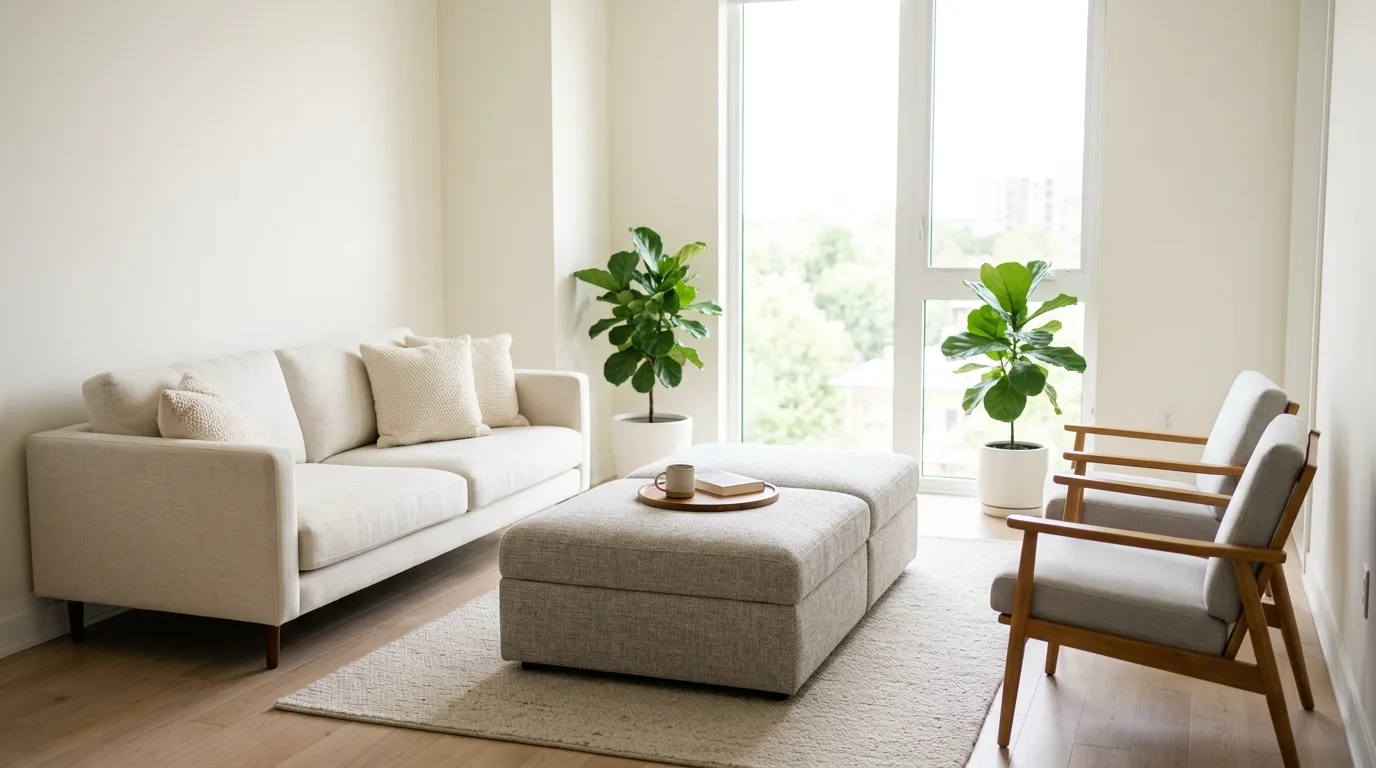
Choose multifunctional pieces
An ottoman that works as a coffee table, storage unit, or extra seat gives awkward rooms more flexibility. Fewer bulky pieces often make the entire layout feel more relaxed and functional.
Styling tip: Use one contained storage zone so the room stays easier to maintain day to day.
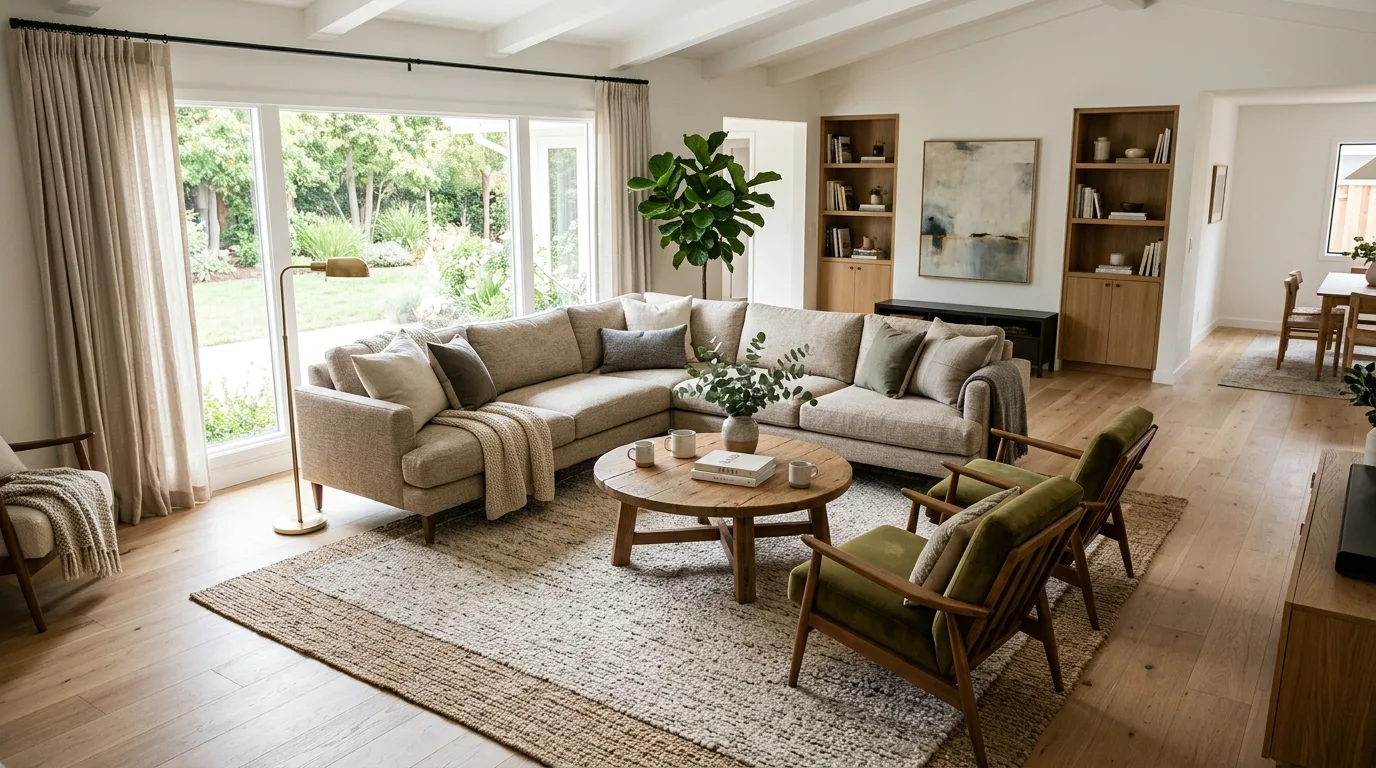
Float furniture when walls are limiting
Not every room works with furniture pushed against the walls. Pulling the sofa or chairs inward can create a stronger seating zone and make a long or oddly proportioned room feel more balanced.
Styling tip: Give the wall feature enough blank space around it so it can read as a focal point.
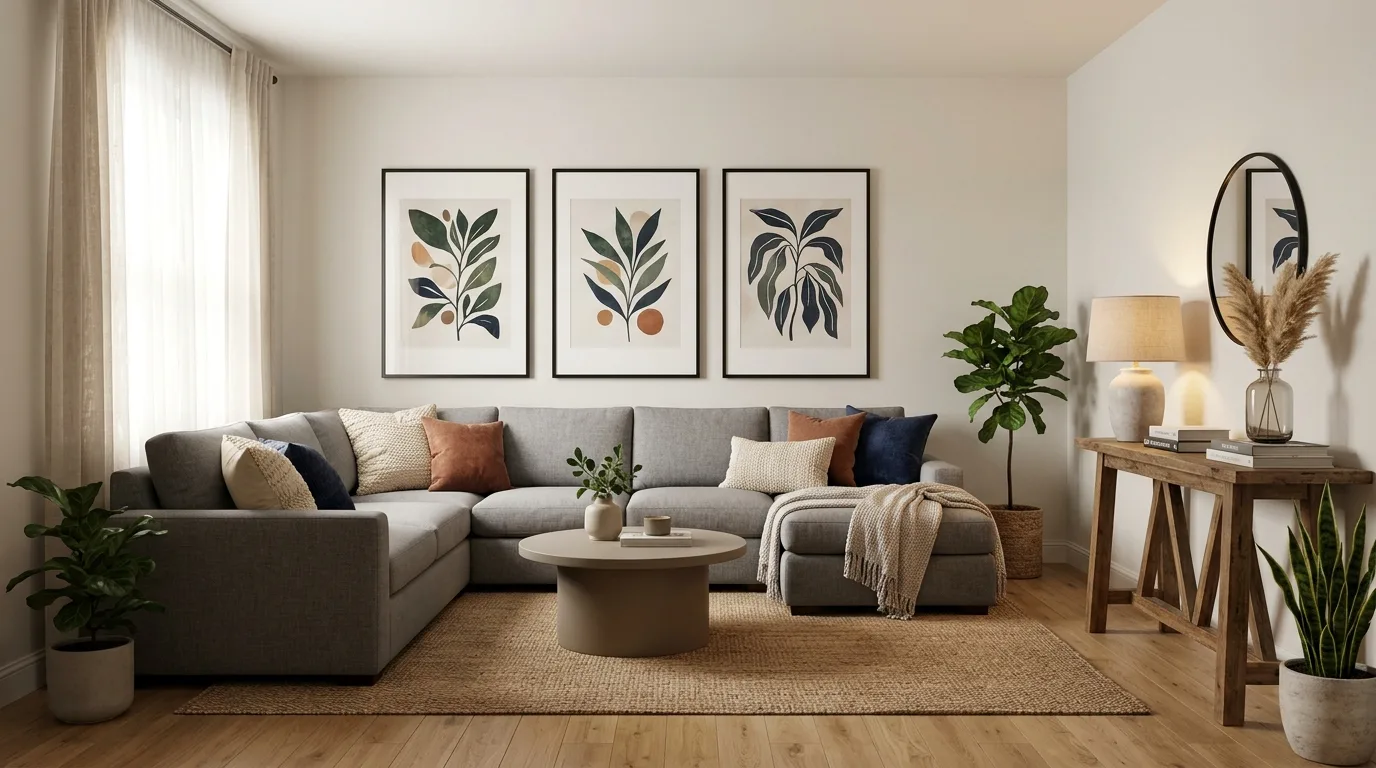
Use a console to define space
A console table behind a sofa can help separate walkways from the main seating area. This is especially useful in open-plan rooms where one side feels undefined.
Styling tip: Keep the surface edited so the functional pieces still have room to look styled.
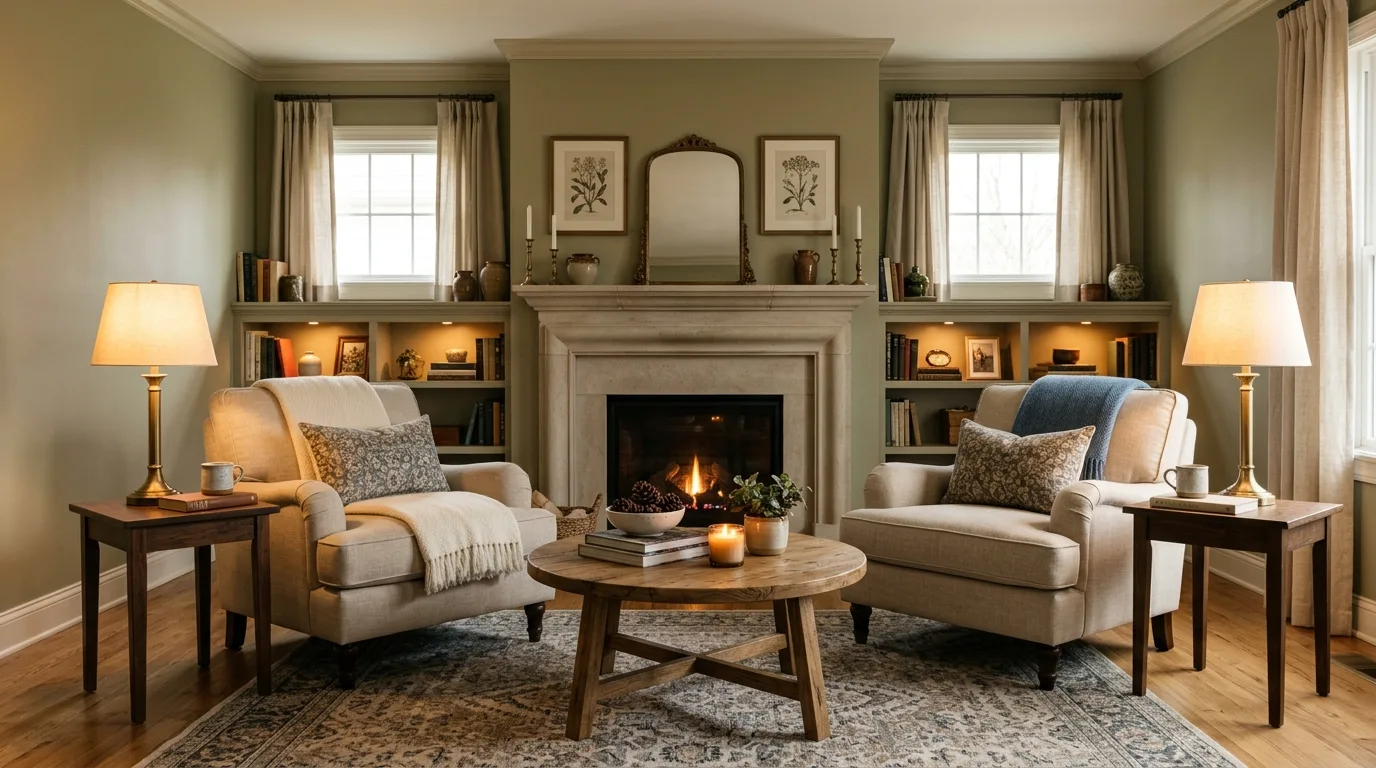
Create symmetry with chairs and tables
If the room feels visually uneven, matching chairs, lamps, or side tables can add structure. Even a little symmetry goes a long way when the architecture itself is awkward.
Styling tip: Keep the lighting warm and soft so the setup feels inviting instead of harsh.
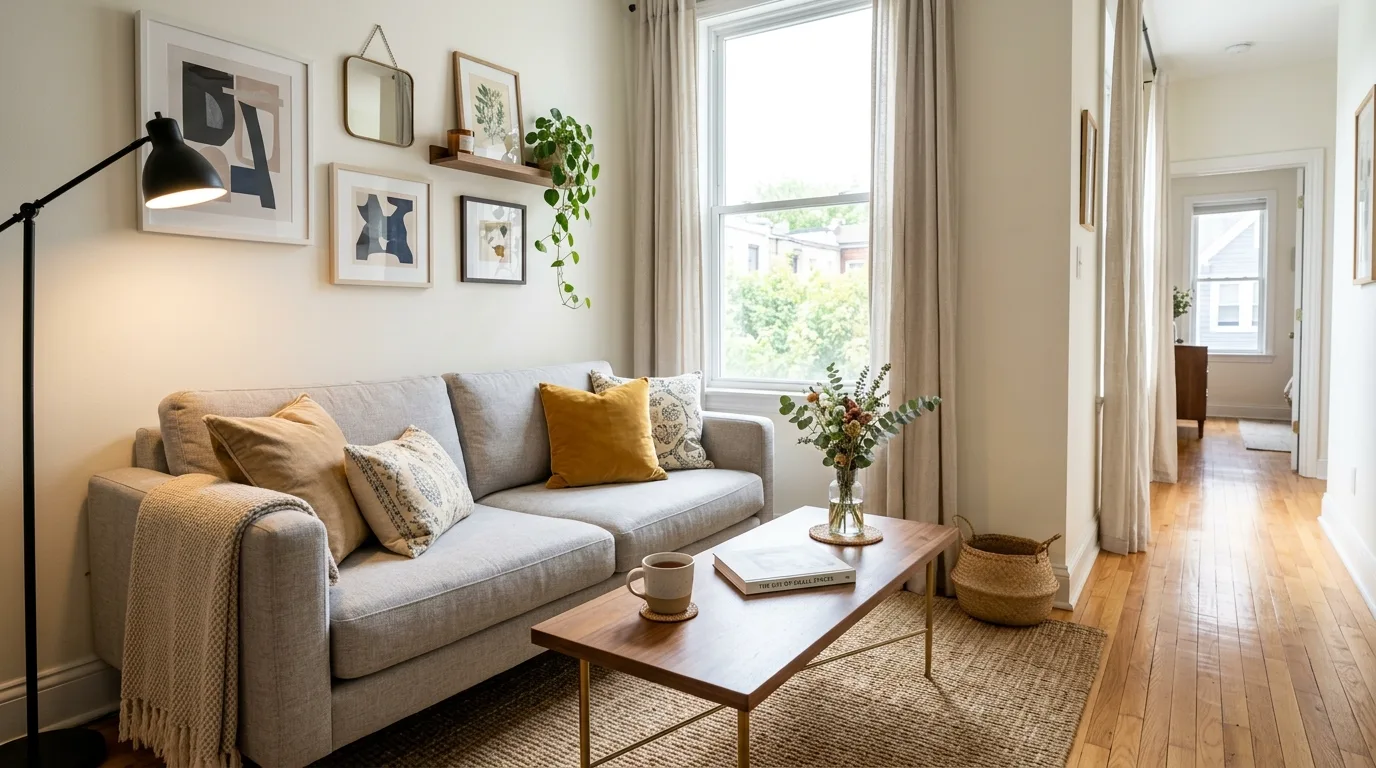
Work with a narrow room instead of against it
In long living rooms, turning the sofa toward the short side can preserve better traffic flow along the length of the space. Slim coffee tables and lighter furniture shapes also help keep the room open.
Styling tip: Keep the lighting warm and soft so the setup feels inviting instead of harsh.
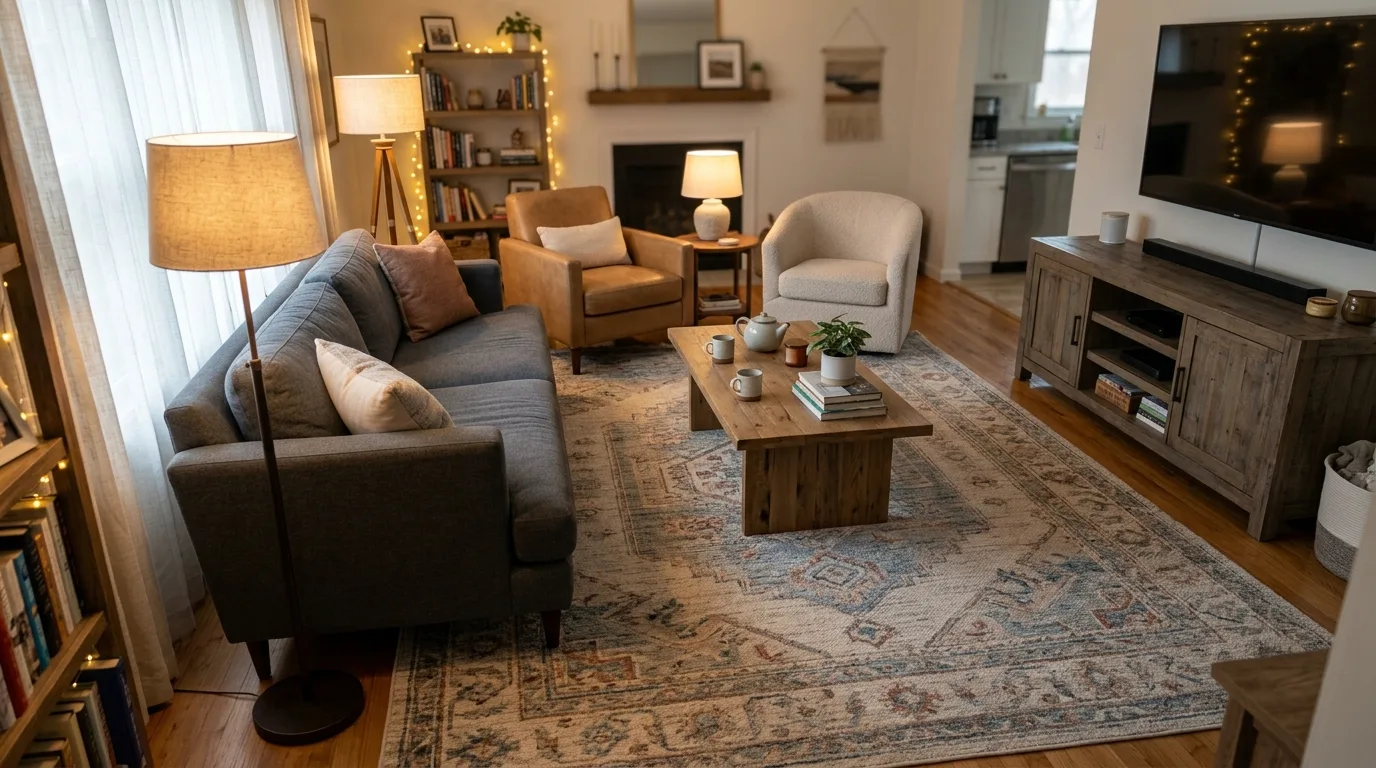
Anchor everything with a rug
A large area rug visually gathers furniture so the room feels cohesive rather than scattered. It is one of the easiest ways to make an awkward layout look intentional.
Styling tip: Focus on rugs and seating groups to define zones inside hard-to-shape rooms.
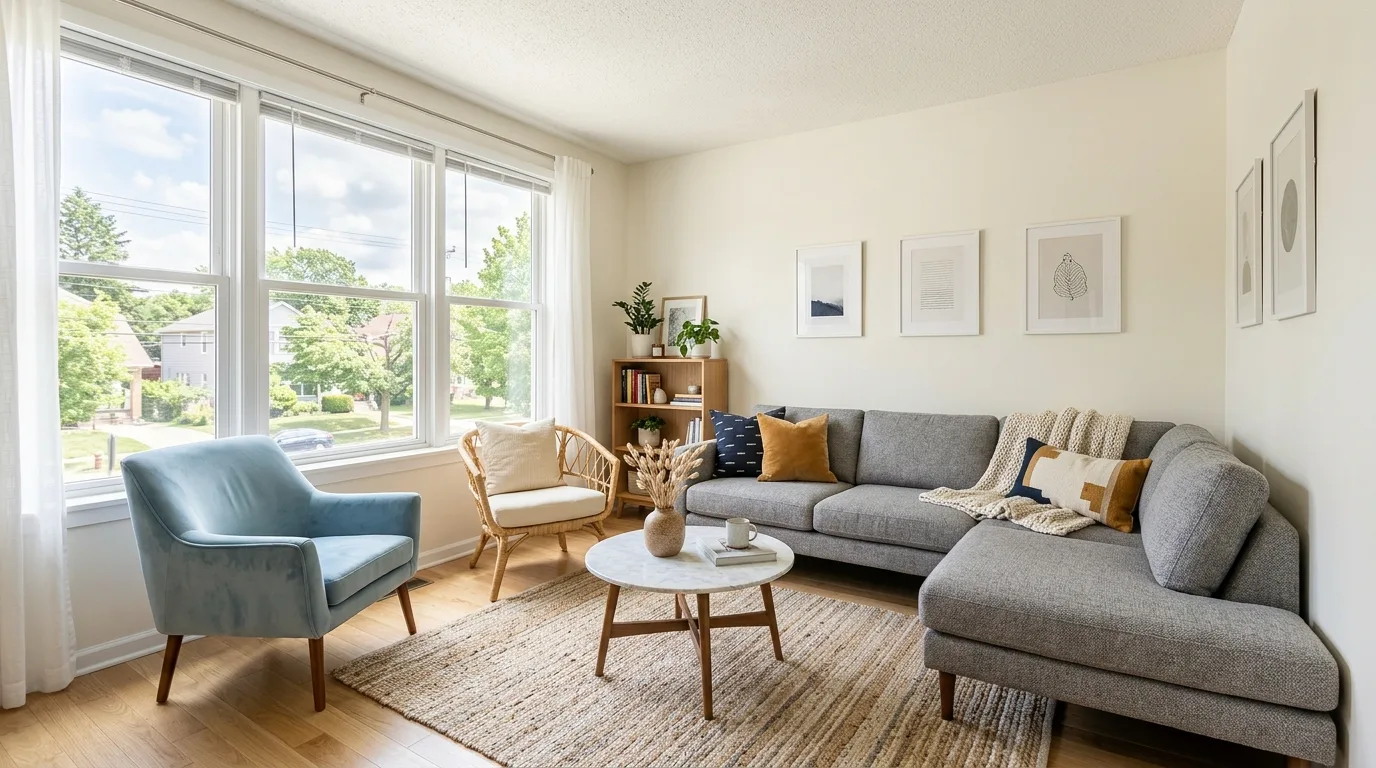
Use an L-shape for small challenging rooms
When square footage is tight, an L-shaped seating plan often gives you comfort without swallowing the room. It keeps the arrangement compact while still allowing a natural path through the space.
Styling tip: Leave a little breathing room around the main pieces so the space does not feel crowded.
Final Takeaway
An awkward living room usually feels frustrating because the layout is fighting the way you actually move through the space. Start with the best focal point guide the arrangement, then build around the pieces that make the space feel easier to use and nicer to look at every day.