A Christmas tree looks most beautiful when the decorating choices feel cohesive, even if the style itself is playful or layered. The theme does not need to be rigid, but a clear direction makes ornaments, ribbon, and lights feel like they belong together.
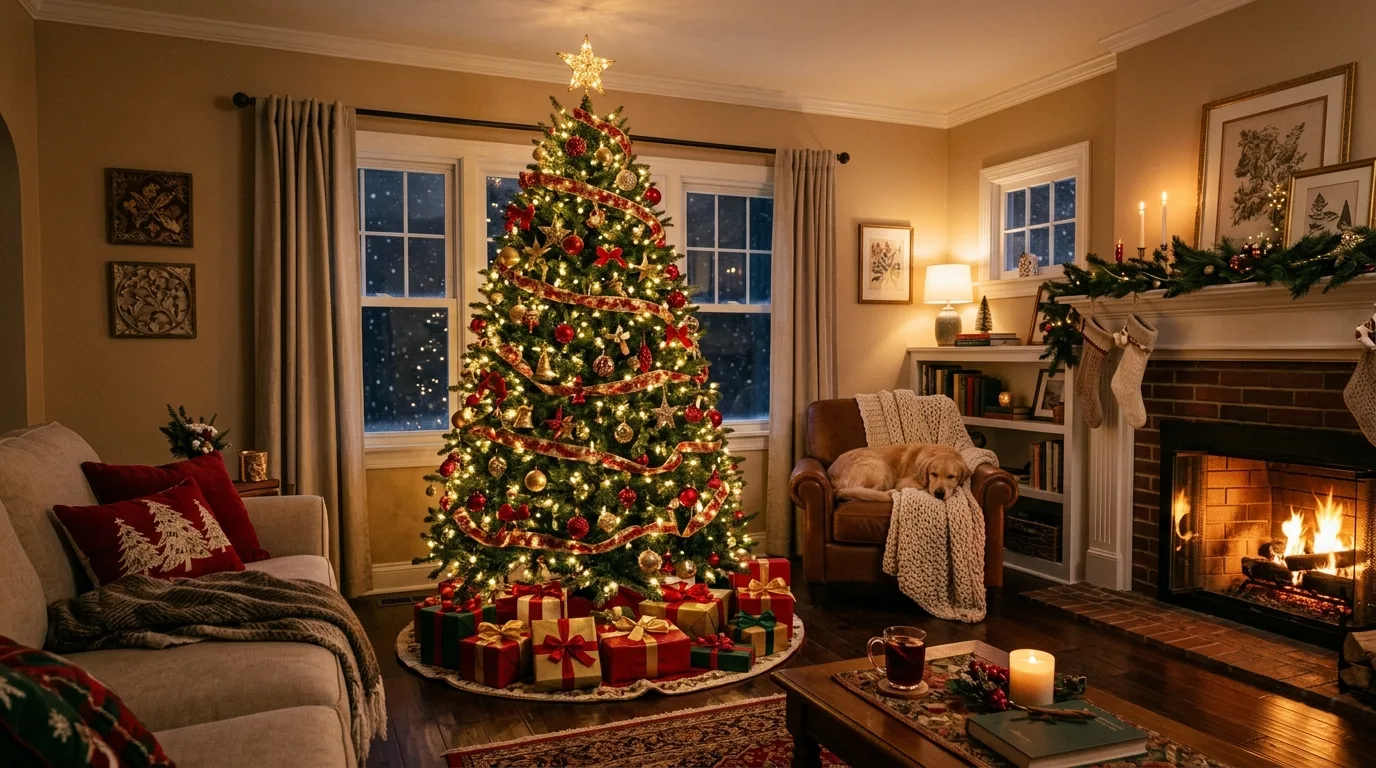
Go classic with red and gold
Traditional red and gold still works beautifully because it feels warm, festive, and instantly recognizable. It is a safe theme that rarely feels out of place.
Styling tip: Focus on pick one broad theme before adding ornaments and ribbon.
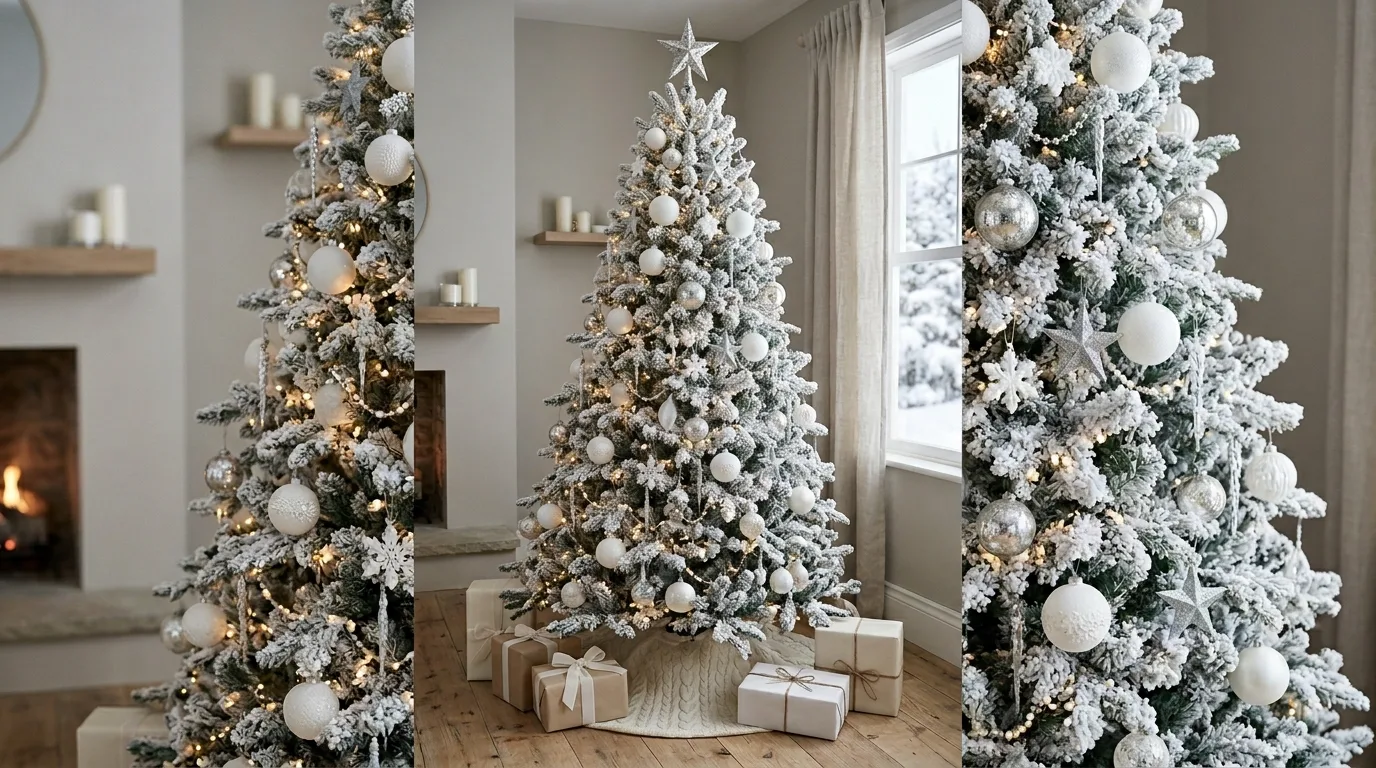
Try snowy neutrals for a softer look
White, cream, champagne, and soft metallics create a tree that feels elegant and calm. This style works especially well in lighter interiors.
Styling tip: Keep the lighting warm and soft so the setup feels inviting instead of harsh.
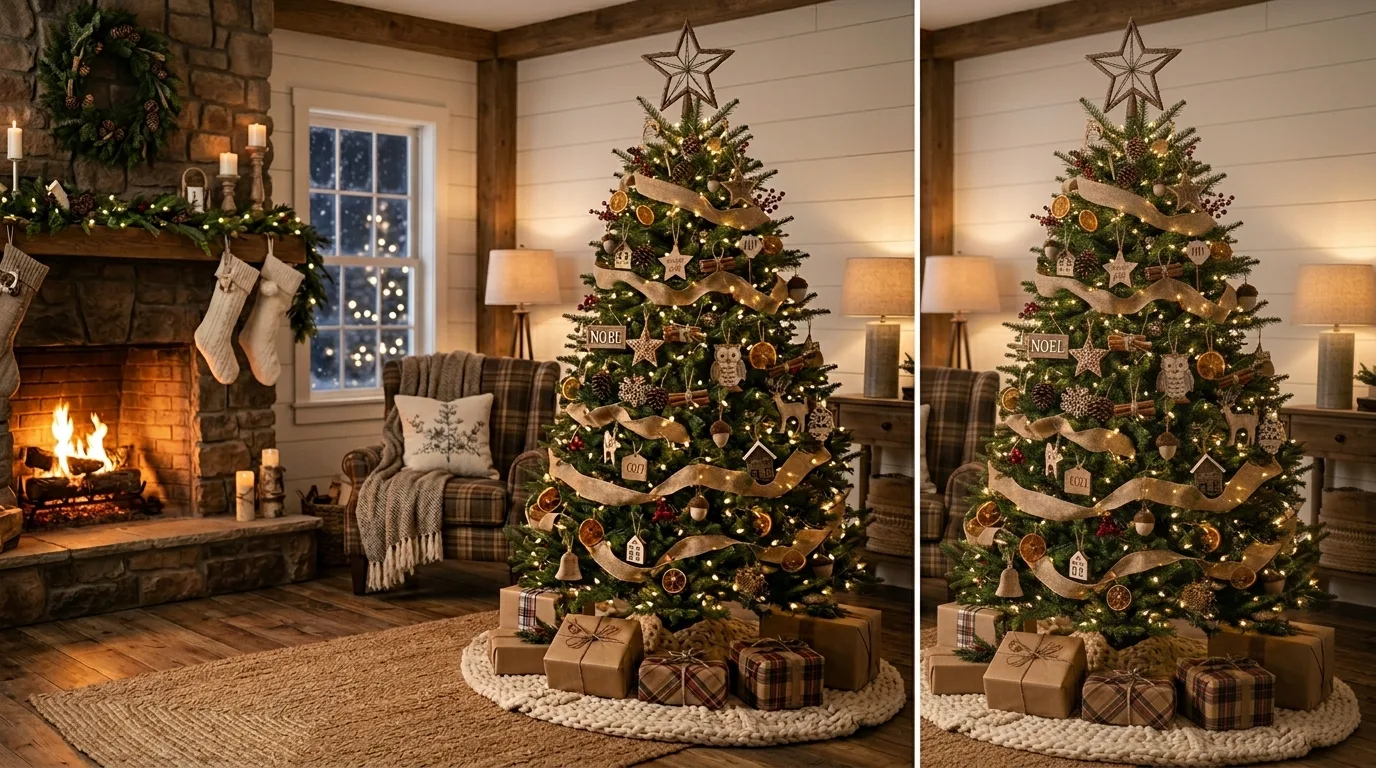
Use velvet ribbon for richness
Ribbon adds movement and fullness while also making the tree feel more designed. Velvet brings extra depth and softness.
Styling tip: Layer one or two soft textures instead of adding too many decorative extras.
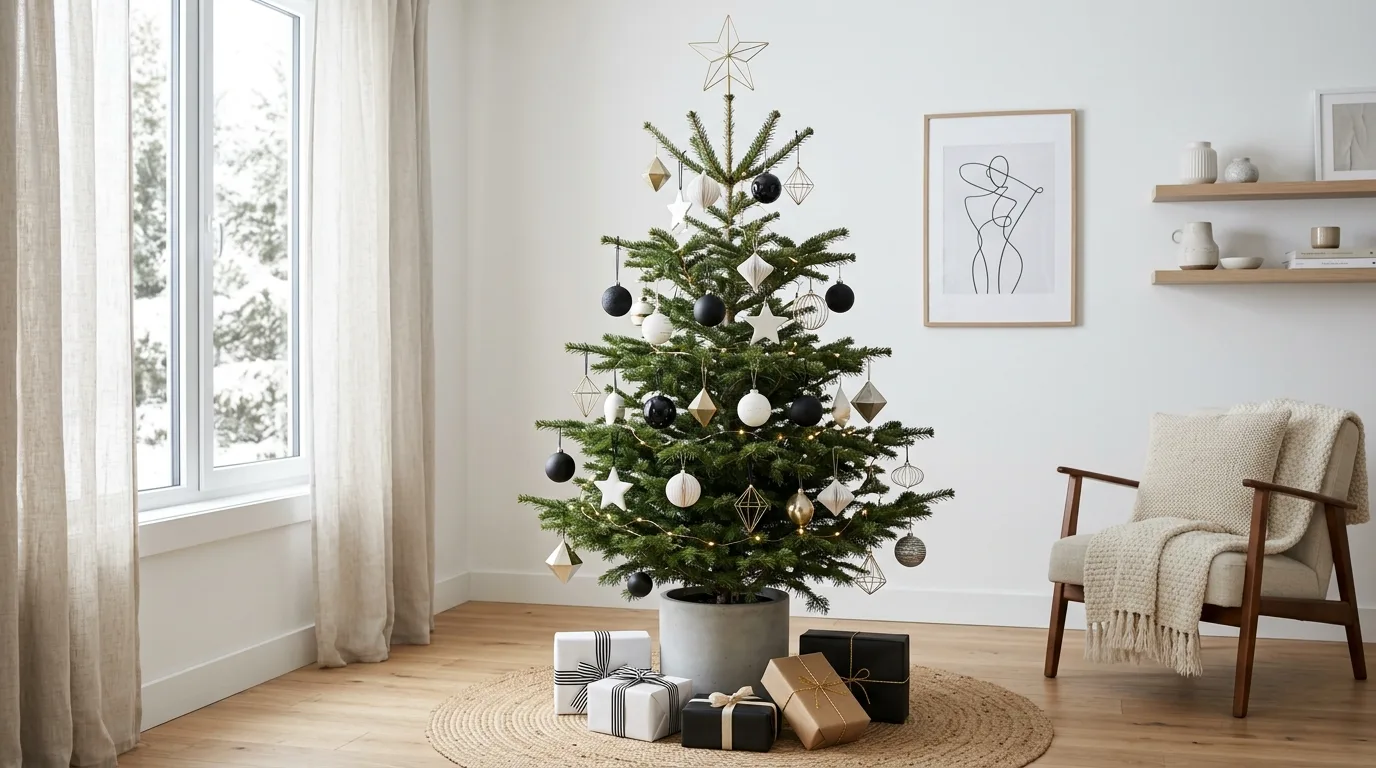
Lean rustic with wood and pinecones
Natural ornaments, pinecones, and warm textures create a tree that feels cozy and slightly nostalgic. It is a strong fit for farmhouse and cabin-inspired homes.
Styling tip: Keep the lighting warm and soft so the setup feels inviting instead of harsh.
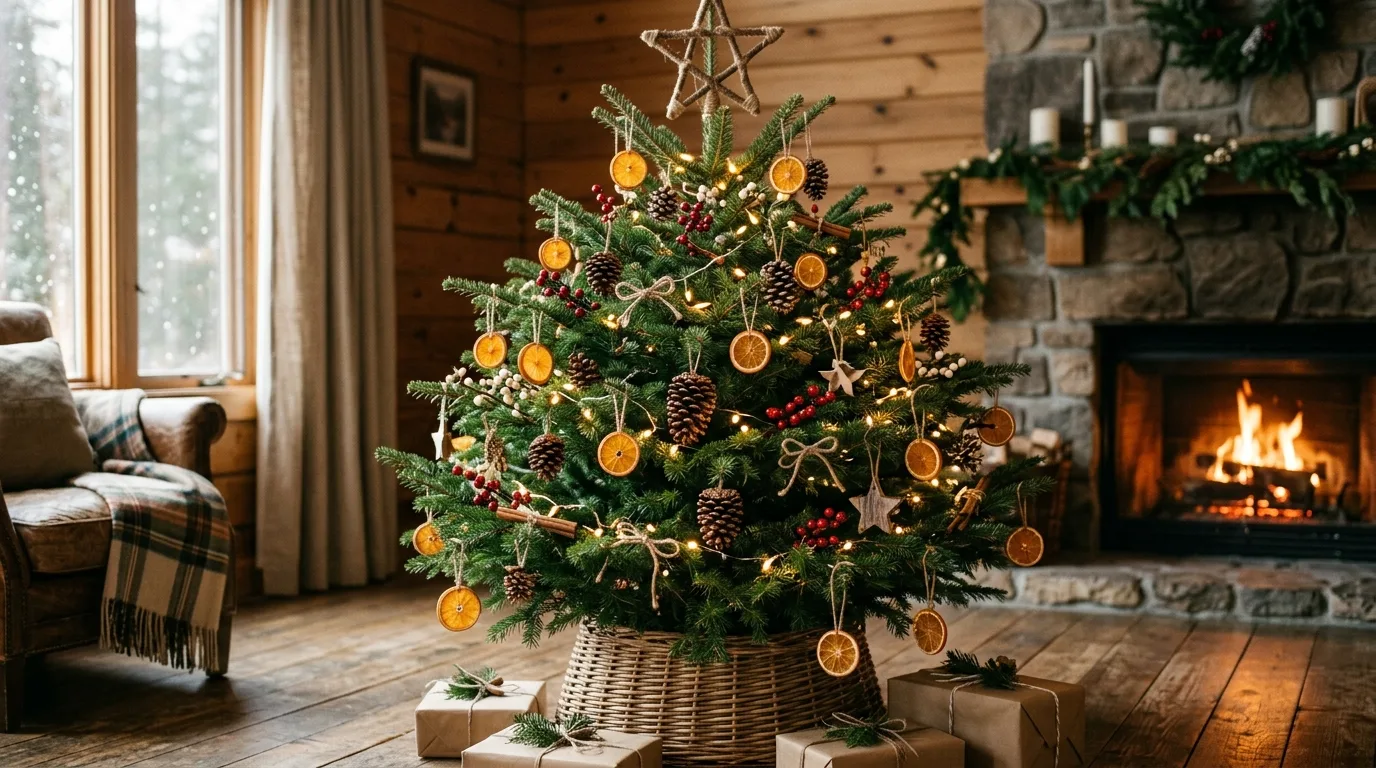
Add glam metallics for shine
Gold, silver, or champagne metallics can make the tree feel more dramatic and formal. Reflective finishes help lights sparkle even more.
Styling tip: Keep the lighting warm and soft so the setup feels inviting instead of harsh.
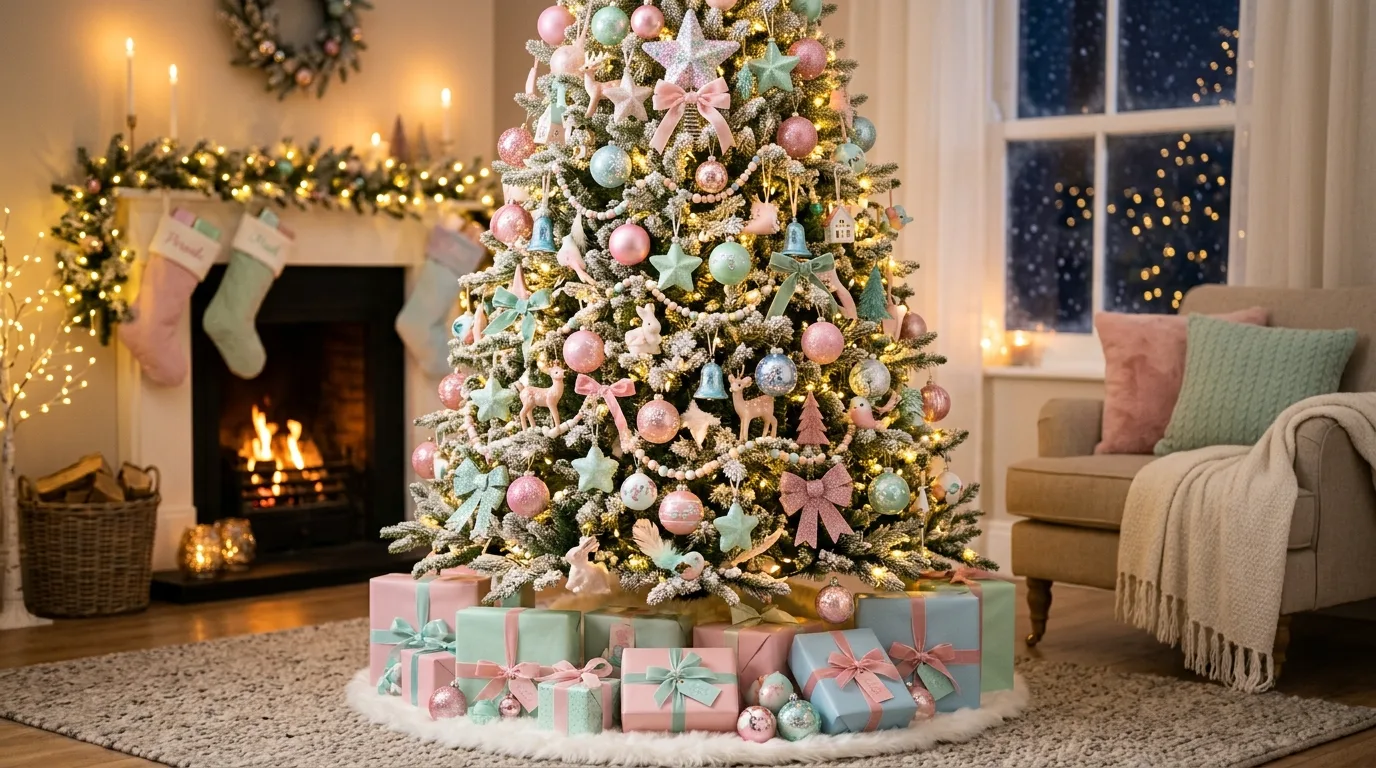
Try a woodland theme
Owls, deer, mushrooms, and natural textures create a whimsical tree that still feels grounded and seasonal. It is especially charming for family homes.
Styling tip: Repeat the same natural material in a few spots to make the room feel more intentional.
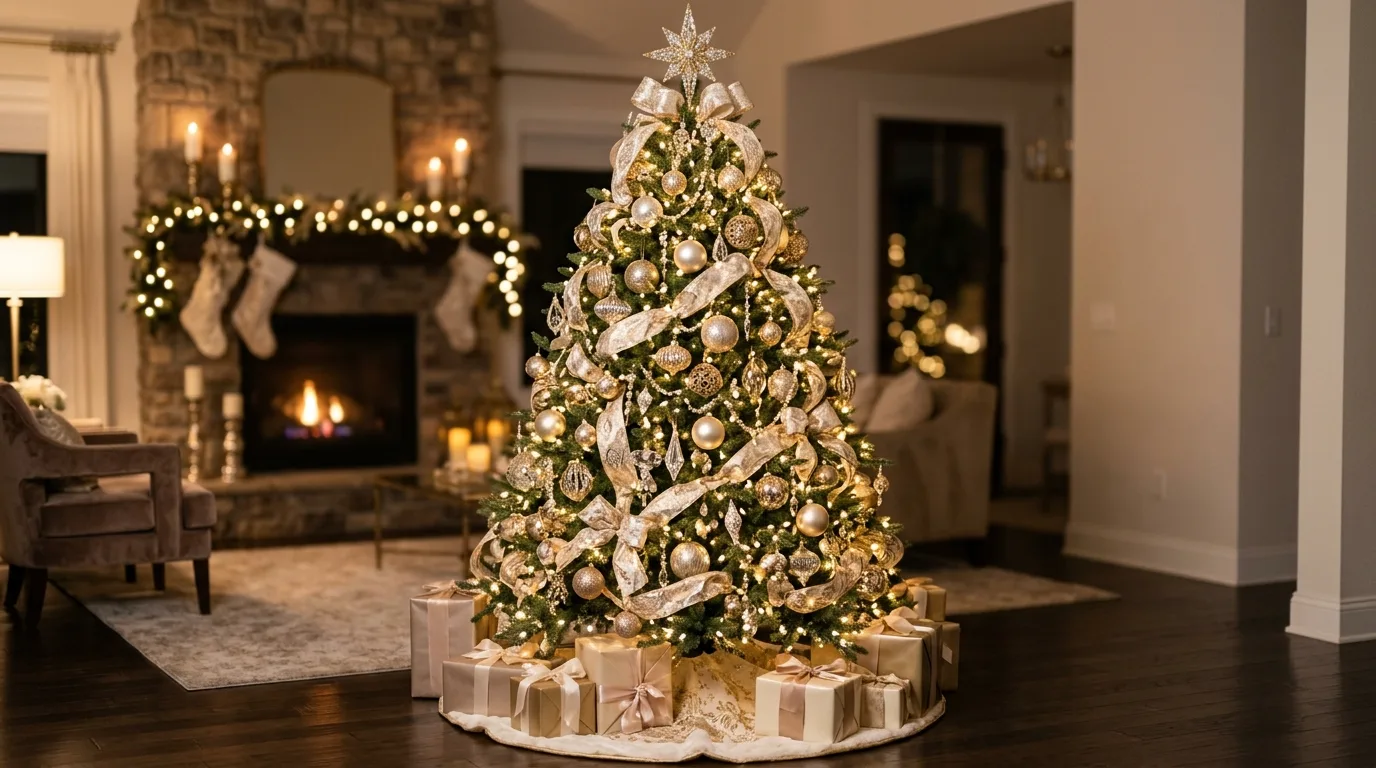
Use oversized ornaments for impact
Larger pieces help anchor the design and make the tree feel fuller faster. They are especially useful on bigger trees.
Styling tip: Focus on pick one broad theme before adding ornaments and ribbon.
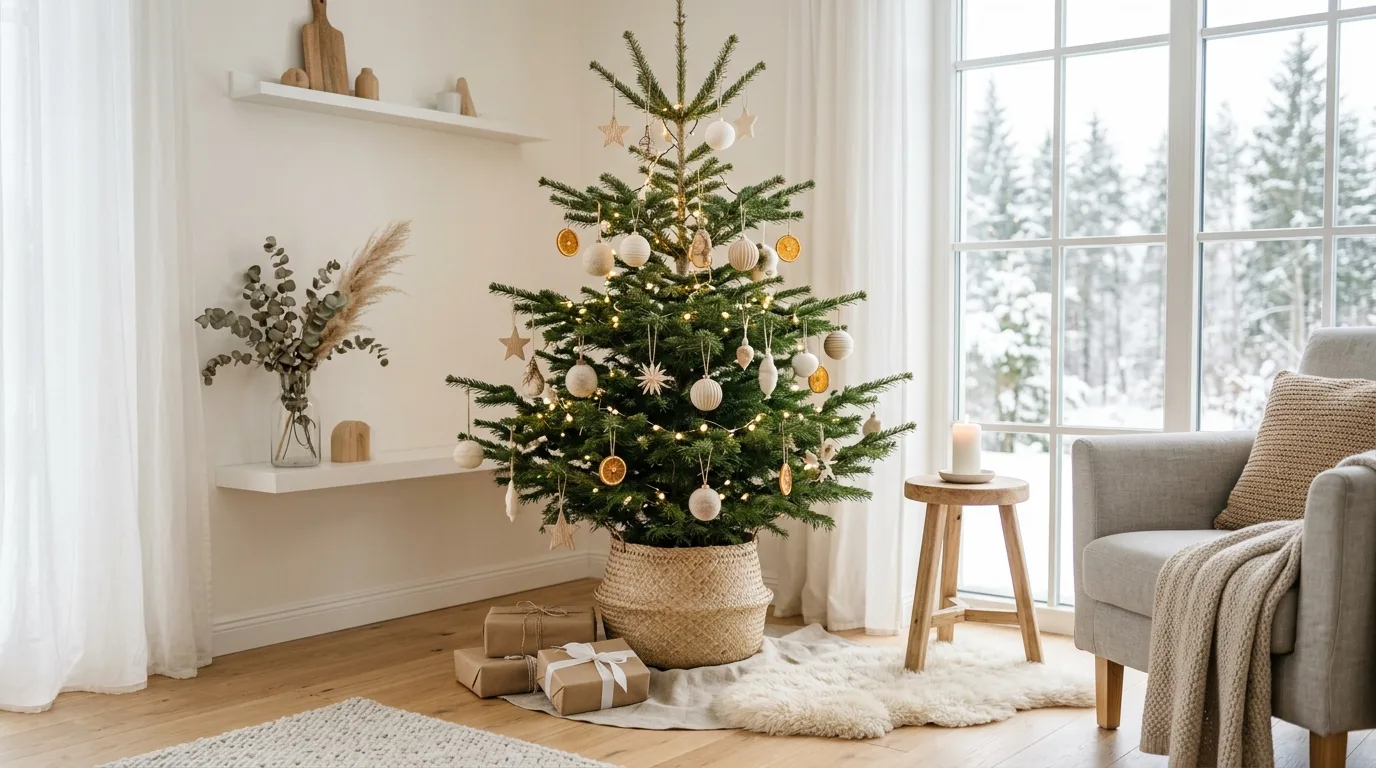
Mix matte and shiny finishes
Variation in finish creates more depth than using only one texture. That contrast helps the tree look layered instead of flat.
Styling tip: Focus on texture and light matter just as much as color.
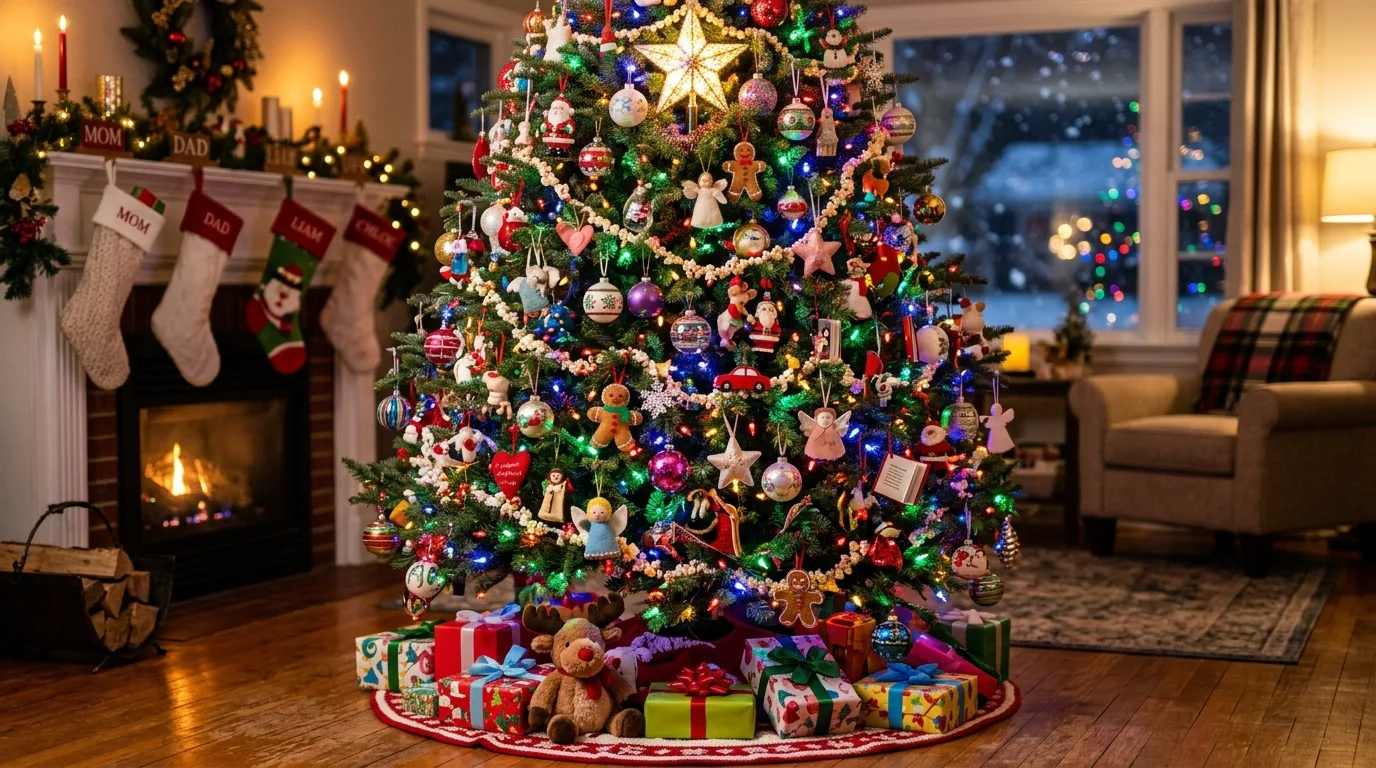
Keep the lights warm and abundant
Good lighting is what makes every other decoration look better. Warm lights usually feel softer and more inviting than stark cool tones.
Styling tip: Keep the lighting warm and soft so the setup feels inviting instead of harsh.
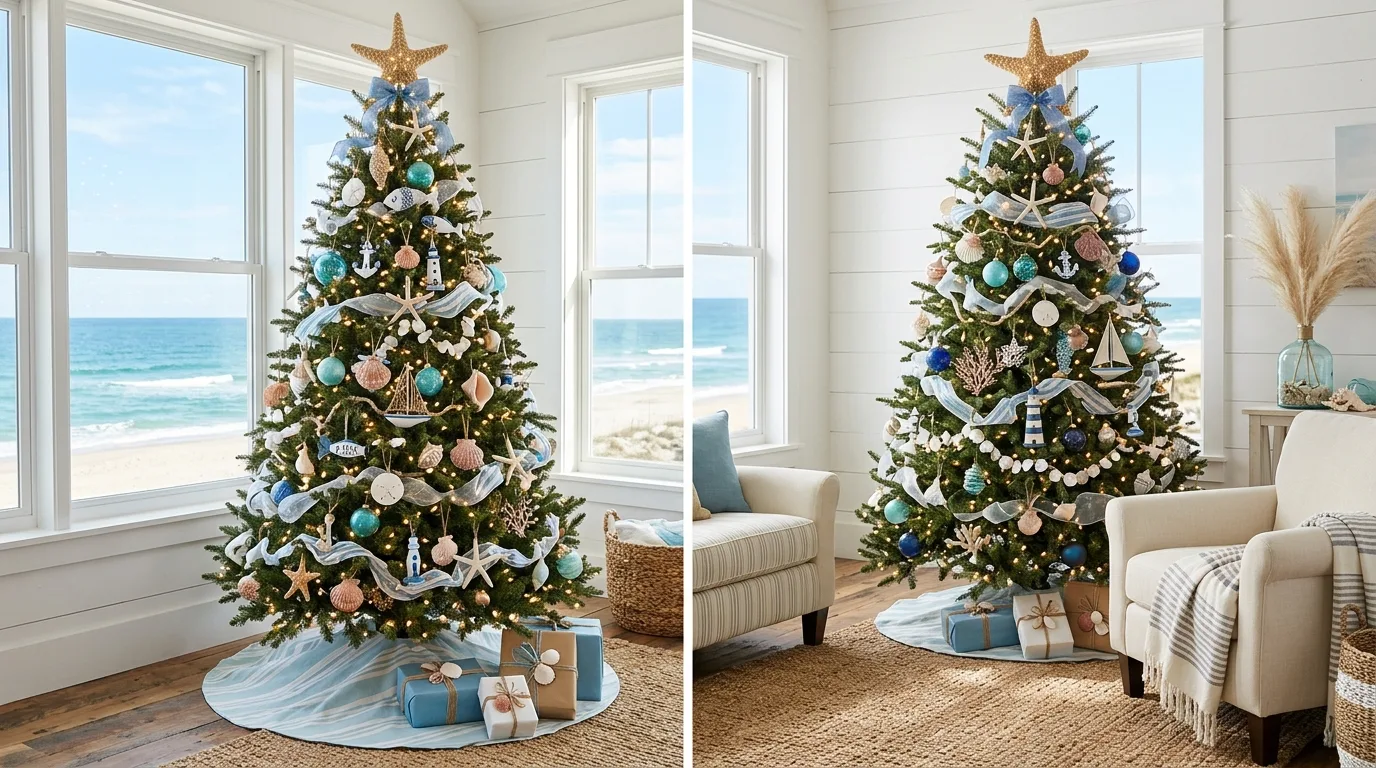
Use floral stems or picks for fullness
Decorative stems can fill gaps and add another layer of texture or sparkle. They help the whole tree feel more professionally styled.
Styling tip: Focus on pick one broad theme before adding ornaments and ribbon.
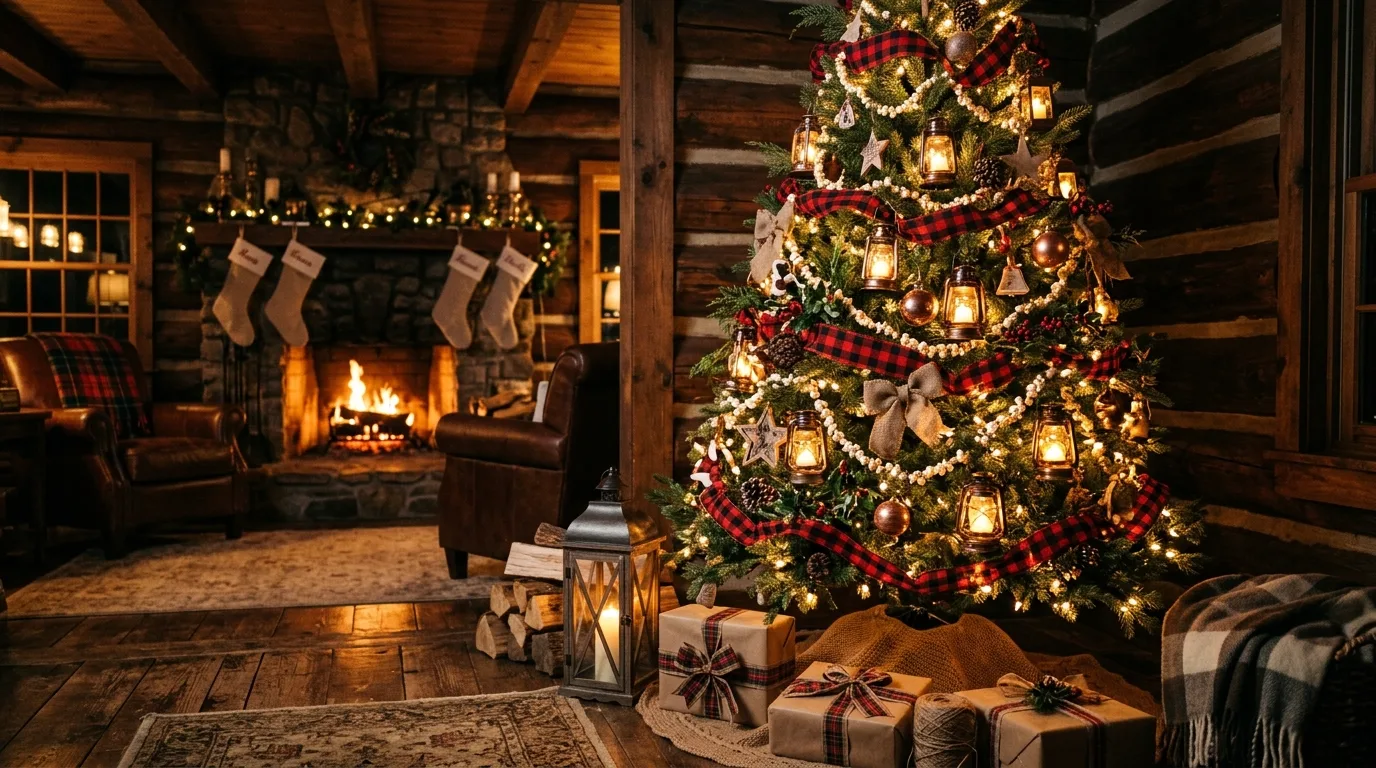
Stick to a limited color palette
Even a playful tree usually looks better when the color story stays controlled. A tighter palette makes the ornaments feel more cohesive.
Styling tip: Repeat the main color in a few places so the look feels connected instead of random.
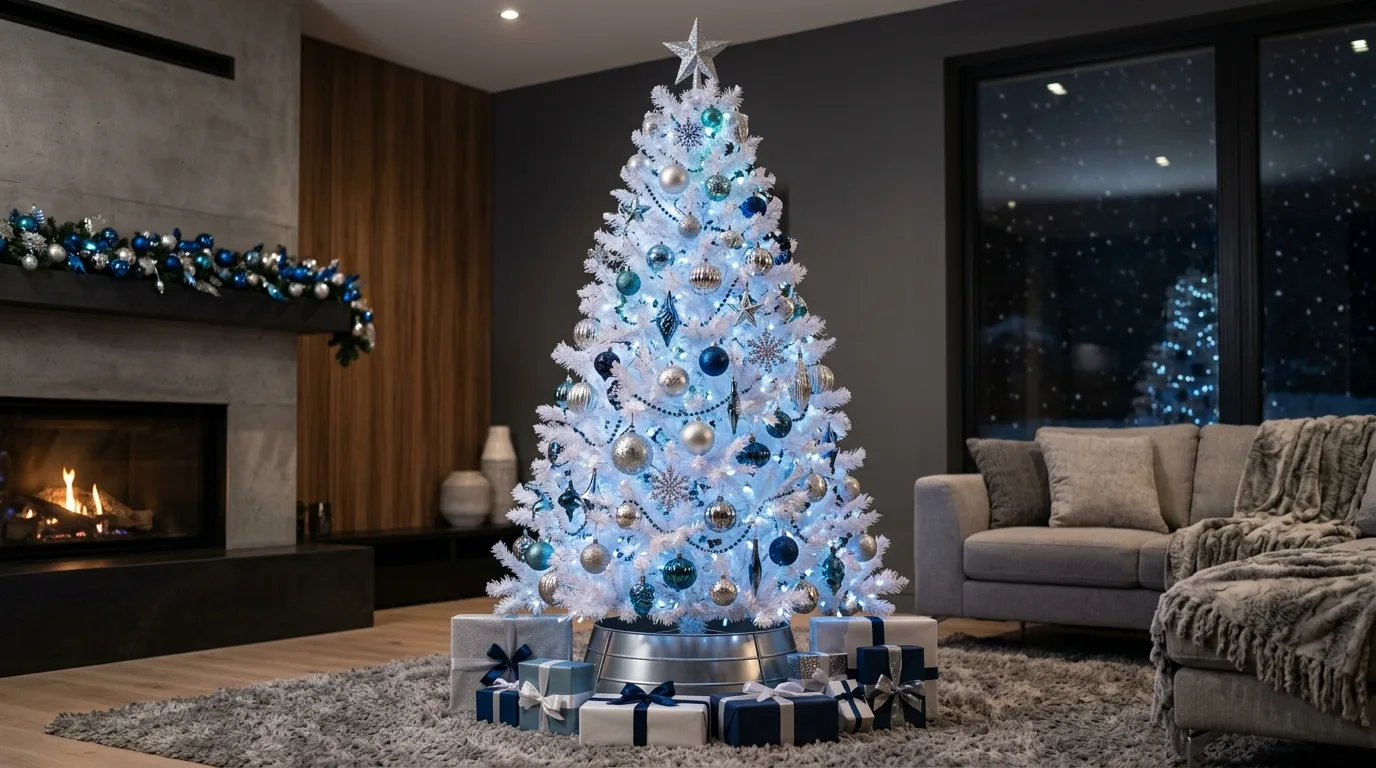
Coordinate the skirt and topper
The base and top of the tree help frame the whole design. Matching them to the overall theme gives the tree a more finished look.
Styling tip: Give the wall feature enough blank space around it so it can read as a focal point.
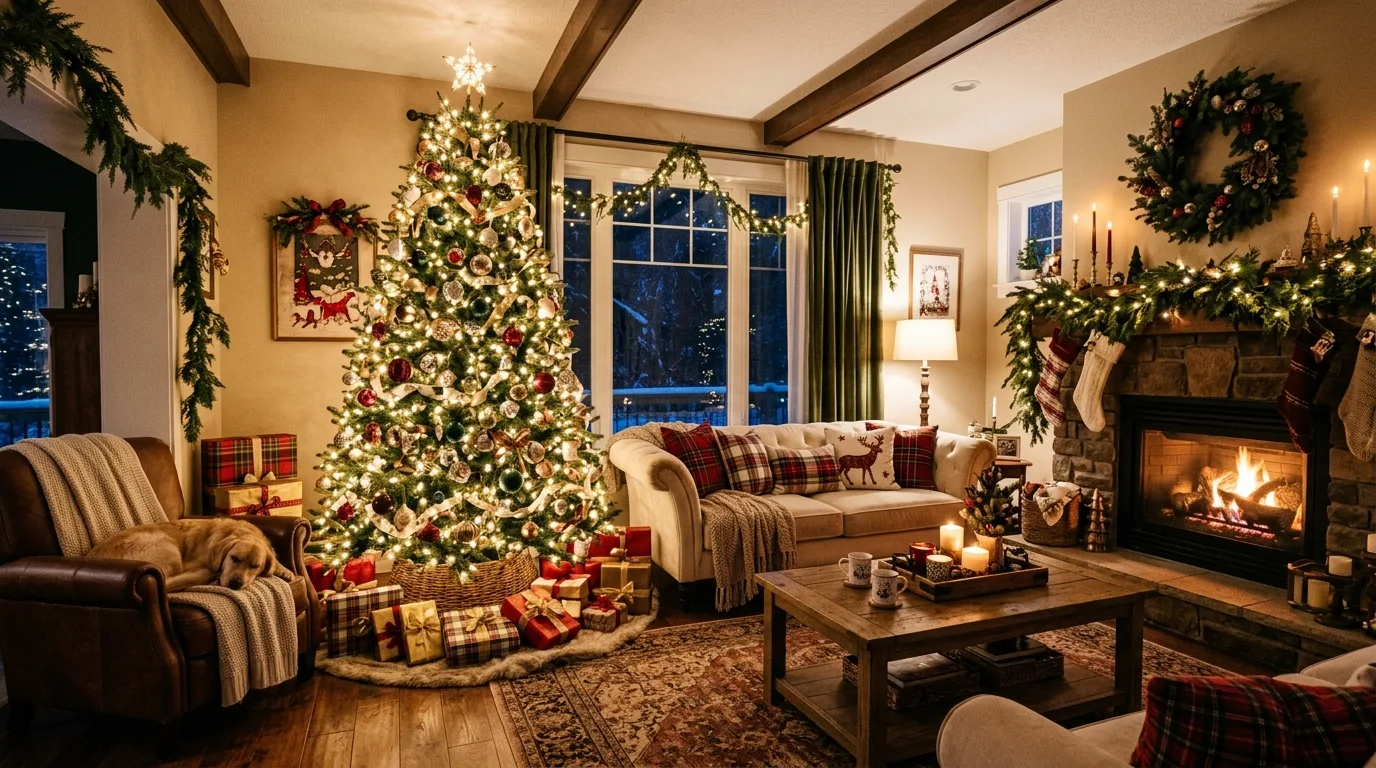
Let sentimental pieces have a place
A beautiful themed tree does not have to exclude meaningful ornaments. The most memorable trees usually make room for both style and history.
Styling tip: Focus on pick one broad theme before adding ornaments and ribbon.
Final Takeaway
A Christmas tree looks most beautiful when the decorating choices feel cohesive, even if the style itself is playful or layered. Start with pick one broad theme before adding ornaments and ribbon, then build around the pieces that make the space feel easier to use and nicer to look at every day.