Hygge is less about buying a certain look and more about creating a room that feels deeply comforting to spend time in. Soft lighting, tactile materials, warm neutrals, and little rituals like tea, candles, and blankets all help make a living room feel slower and gentler.
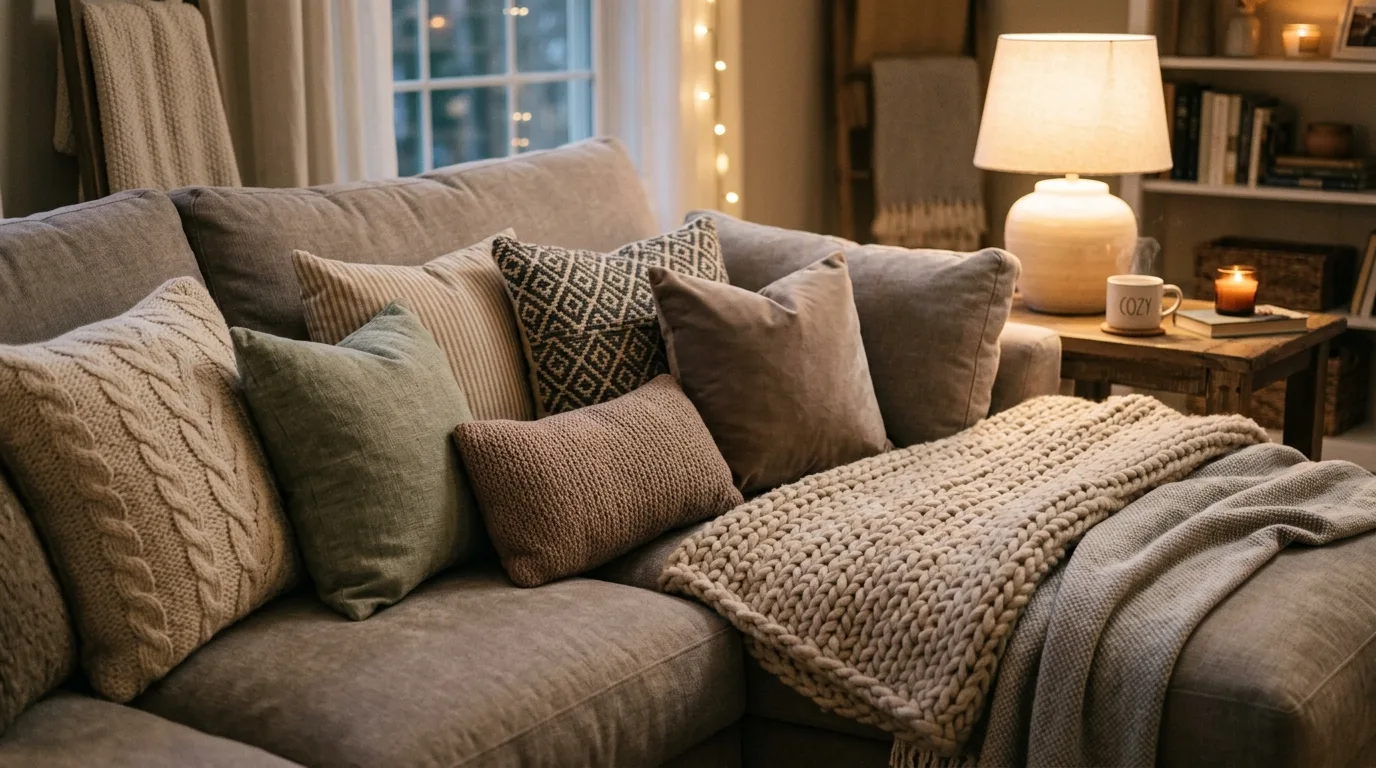
Start with a truly comfortable sofa
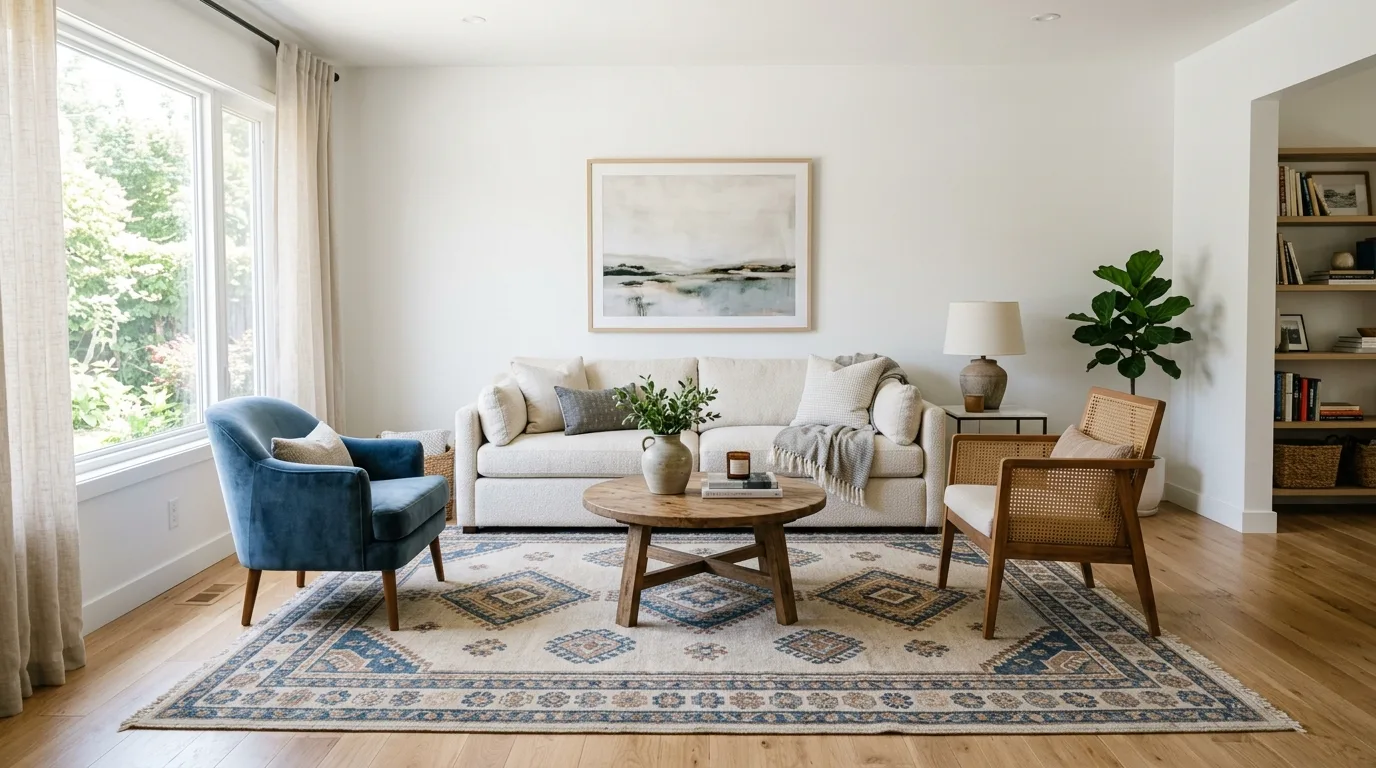
A soft, inviting sofa layered with pillows and throws gives the whole room its hygge foundation. Comfort should be obvious the moment you walk in.
Styling tip: Layer one or two soft textures instead of adding too many decorative extras.
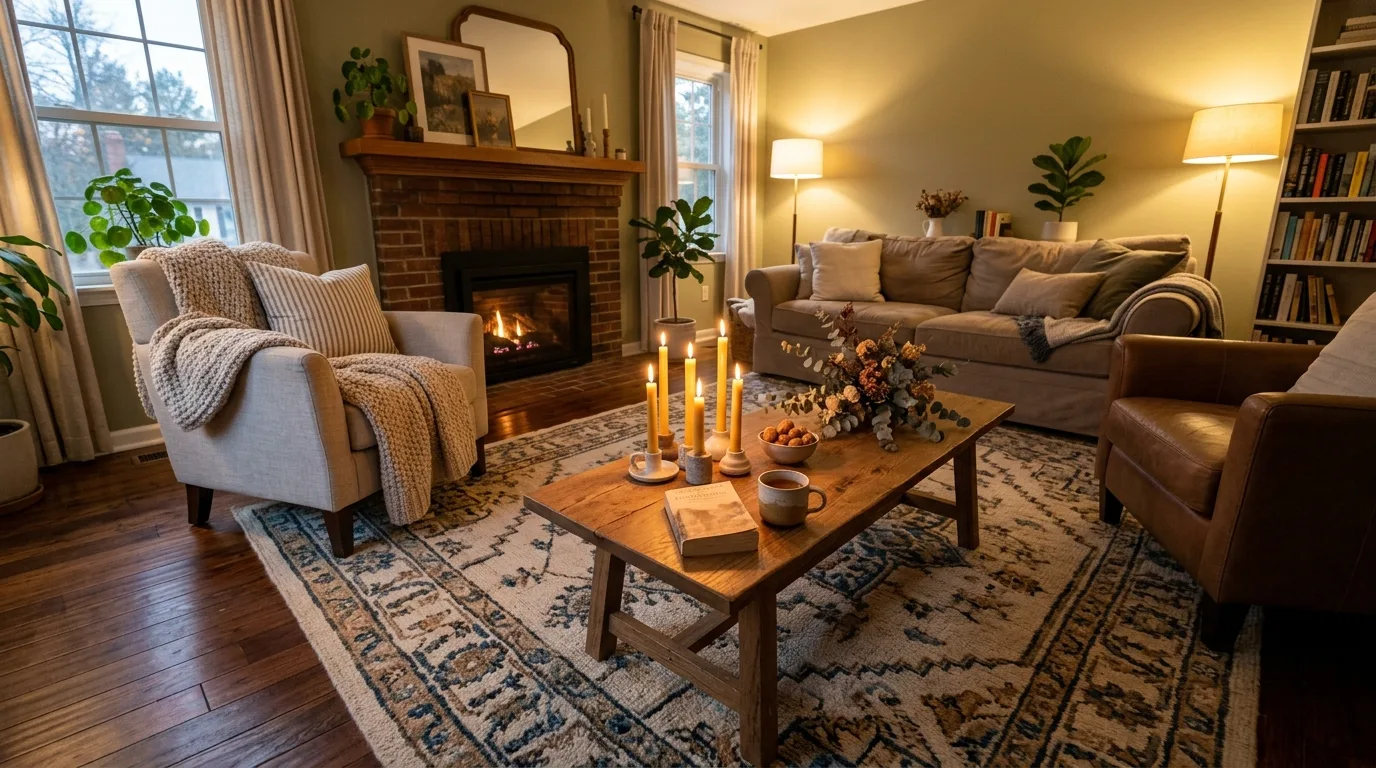
Use a warm rug underfoot
A wool or textured area rug instantly makes the room feel softer and quieter. It also supports that cocooning feeling hygge rooms do so well.
Styling tip: Layer one or two soft textures instead of adding too many decorative extras.
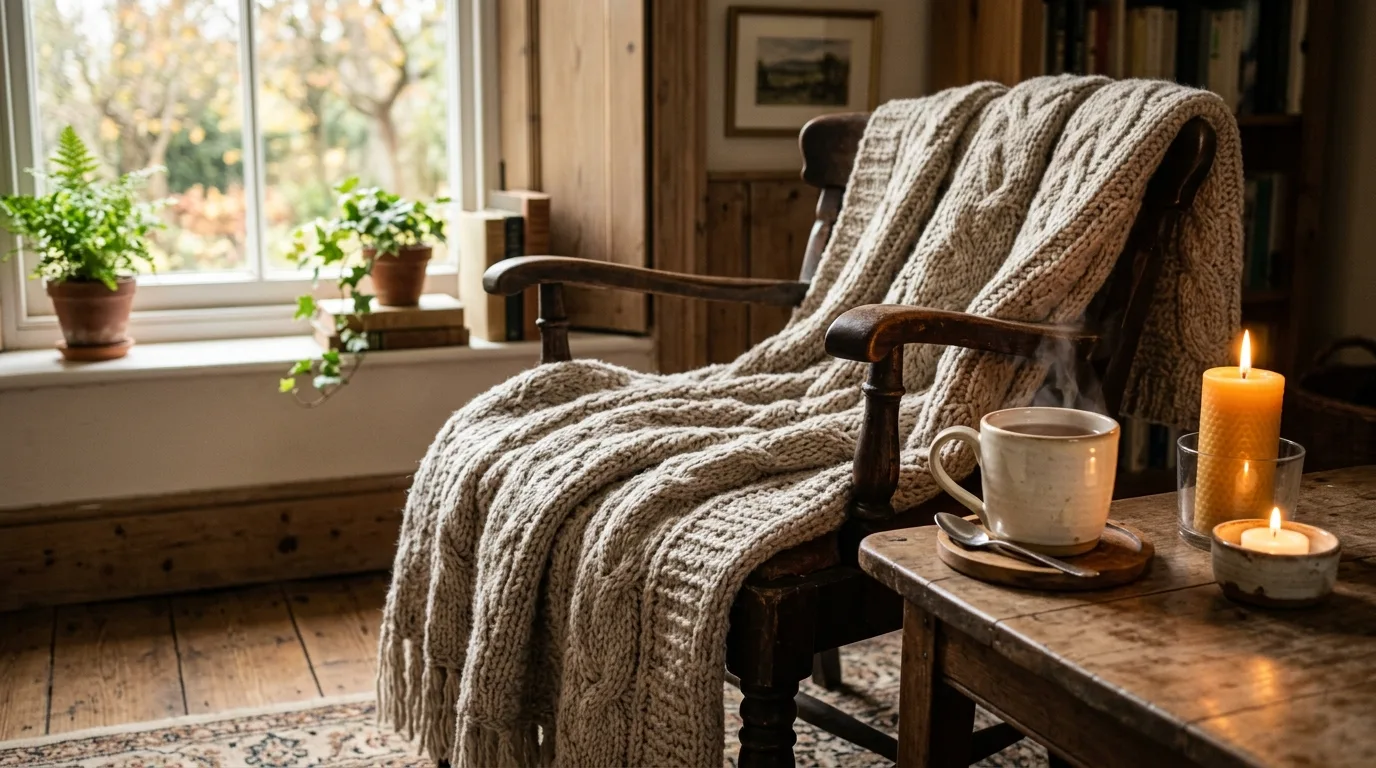
Keep blankets within reach
A knitted blanket draped over a chair or sofa is practical, but it also signals the kind of room you are meant to sink into and stay in.
Styling tip: Focus on simple colors and natural materials to make the room feel calm.
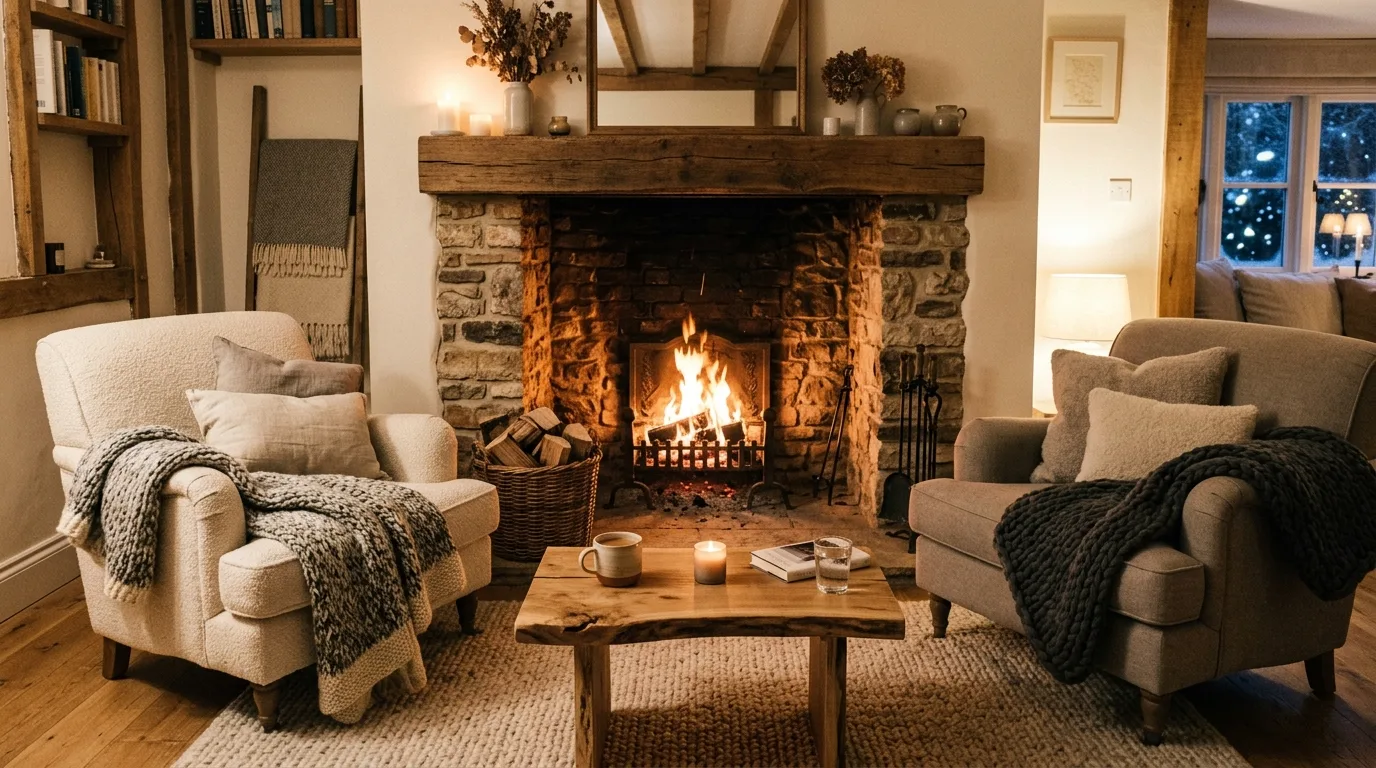
Center the room around a warmth source
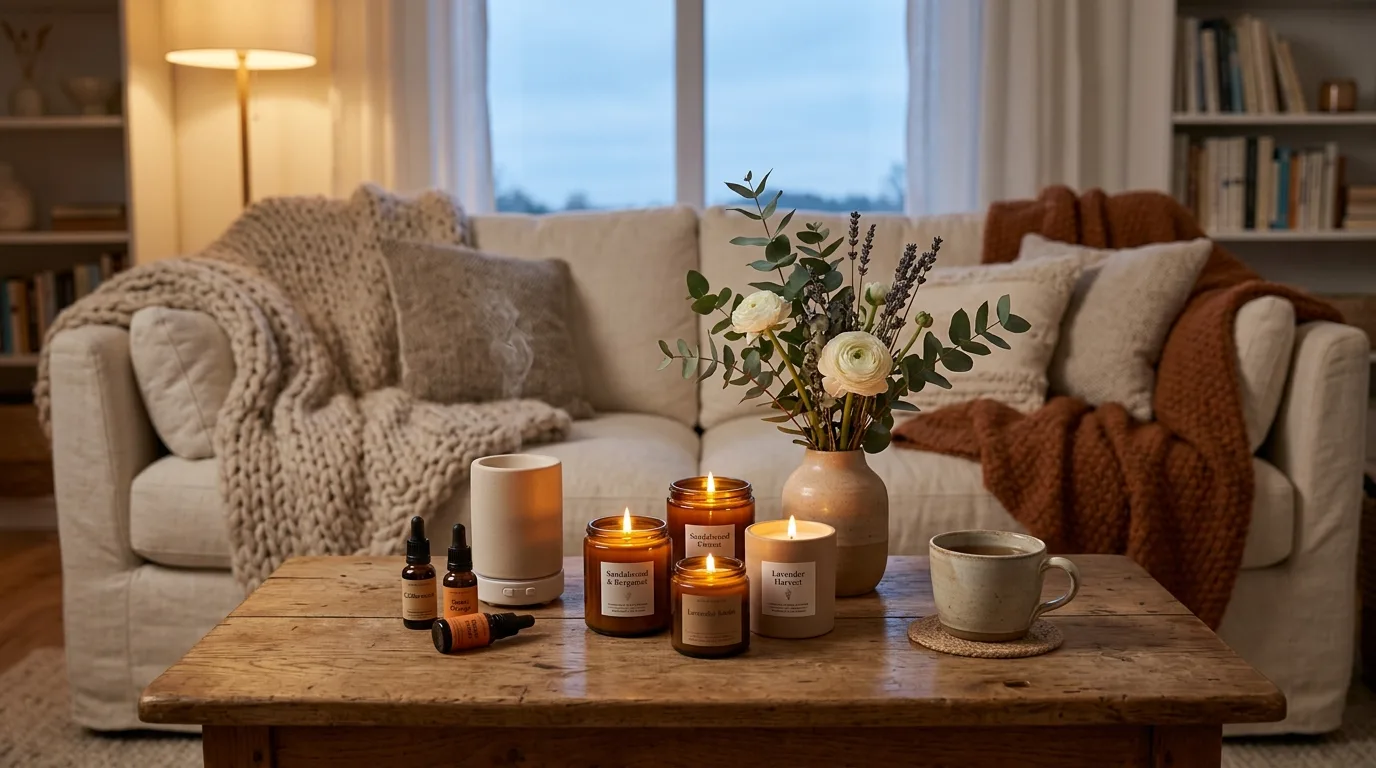
A fireplace, a cluster of candles, or simply a lamp-lit corner can create the sense of refuge that hygge interiors are known for. The room needs some kind of warm focal point.
Styling tip: Keep the lighting warm and soft so the setup feels inviting instead of harsh.
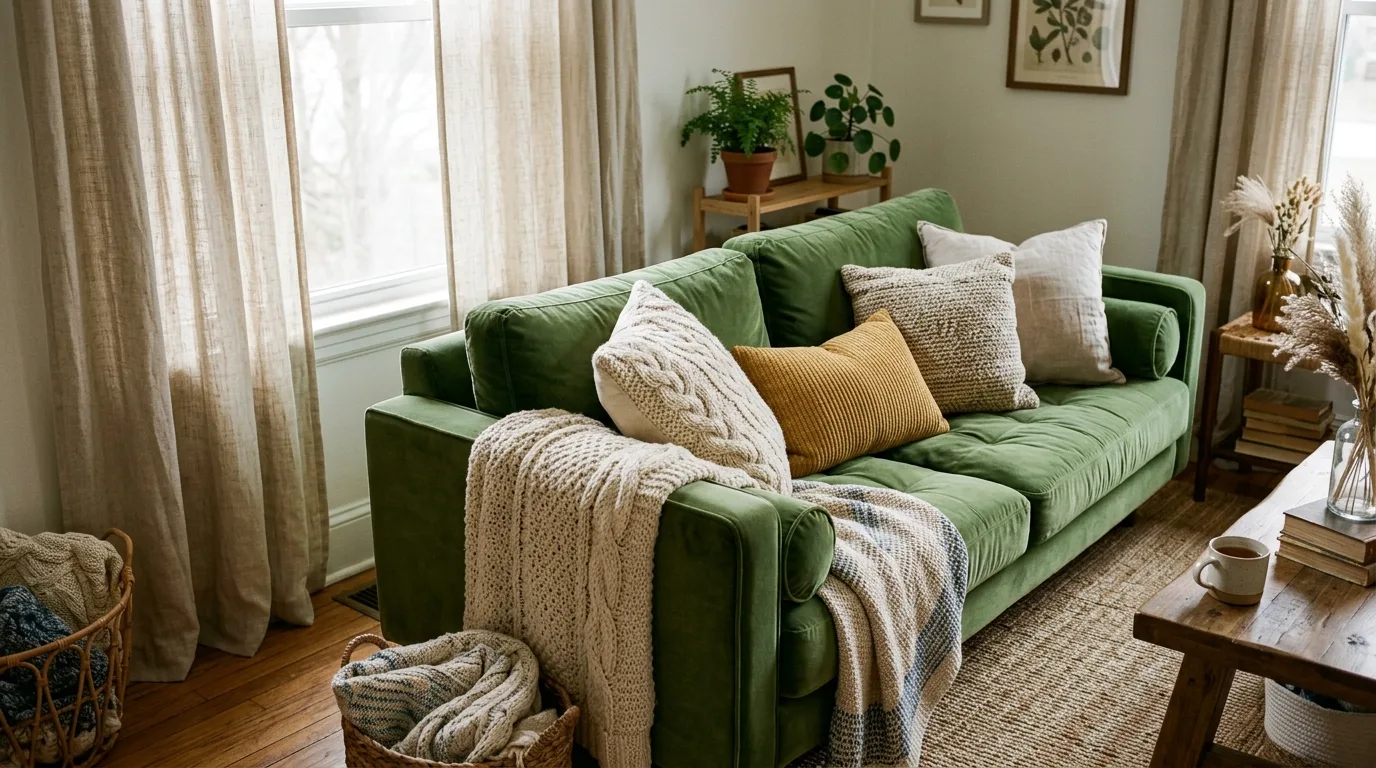
Layer tactile materials together
Linen, velvet, wool, knit, and soft cotton all contribute to a room that feels as good as it looks. Hygge is built as much through texture as through color.
Styling tip: Repeat the main color in a few places so the look feels connected instead of random.
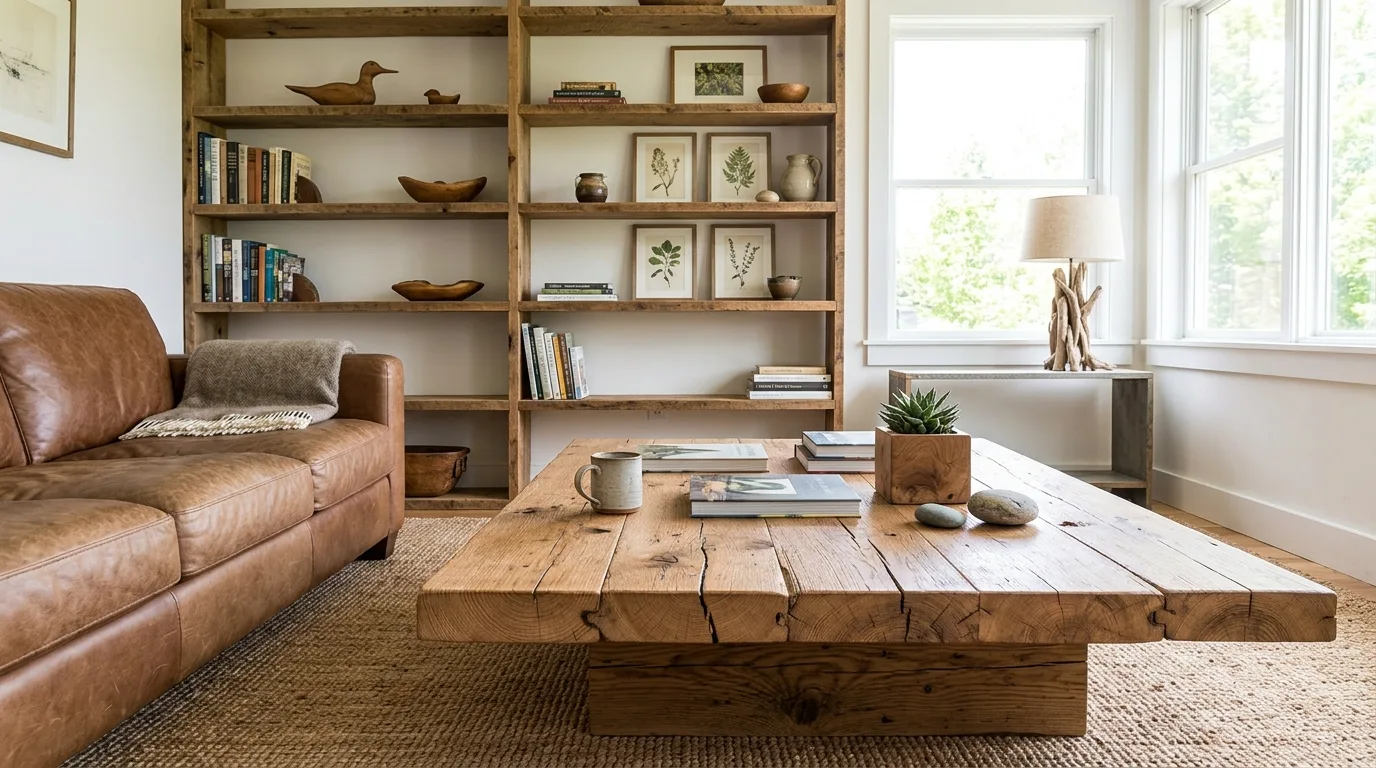
Let wood add natural warmth
Wood furniture and natural finishes help the room feel grounded and approachable. They soften modern lines and make the space feel more human.
Styling tip: Layer one or two soft textures instead of adding too many decorative extras.
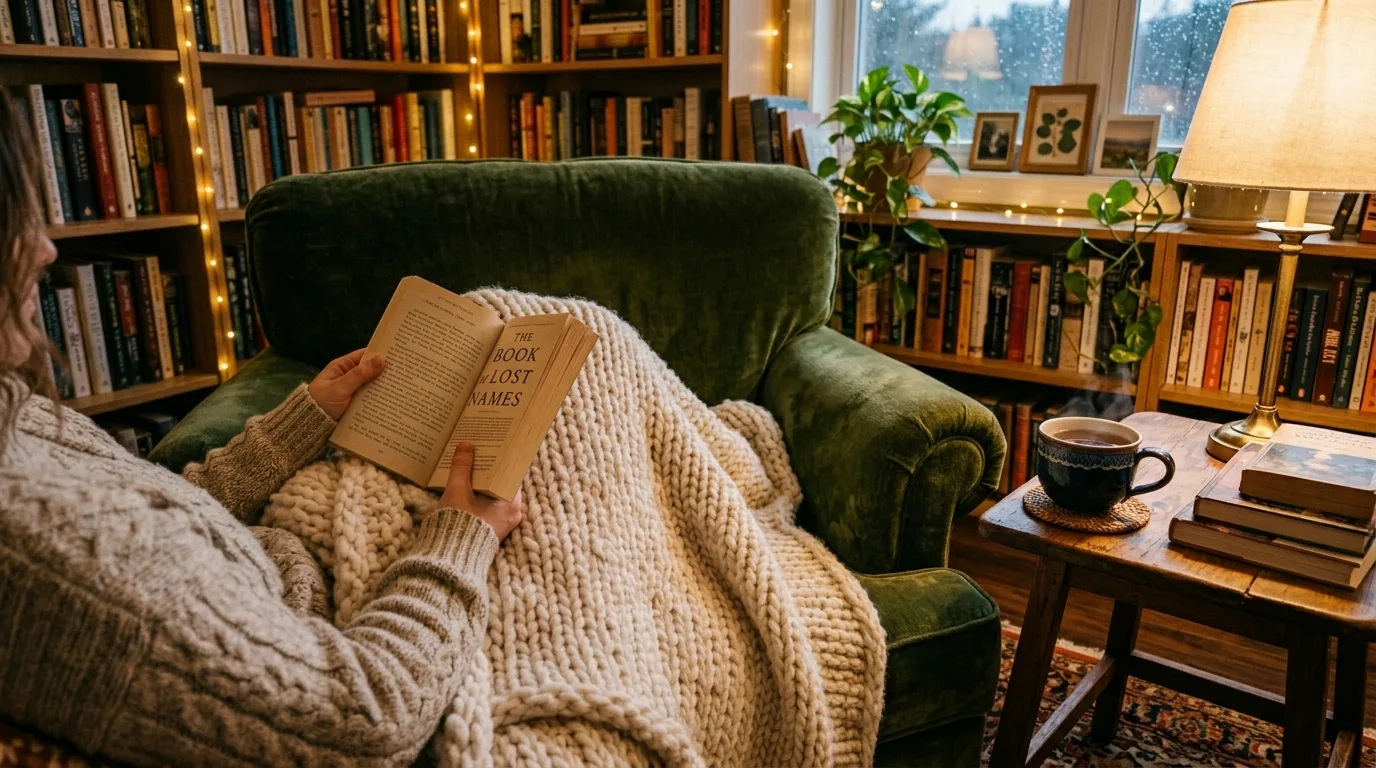
Create a reading corner
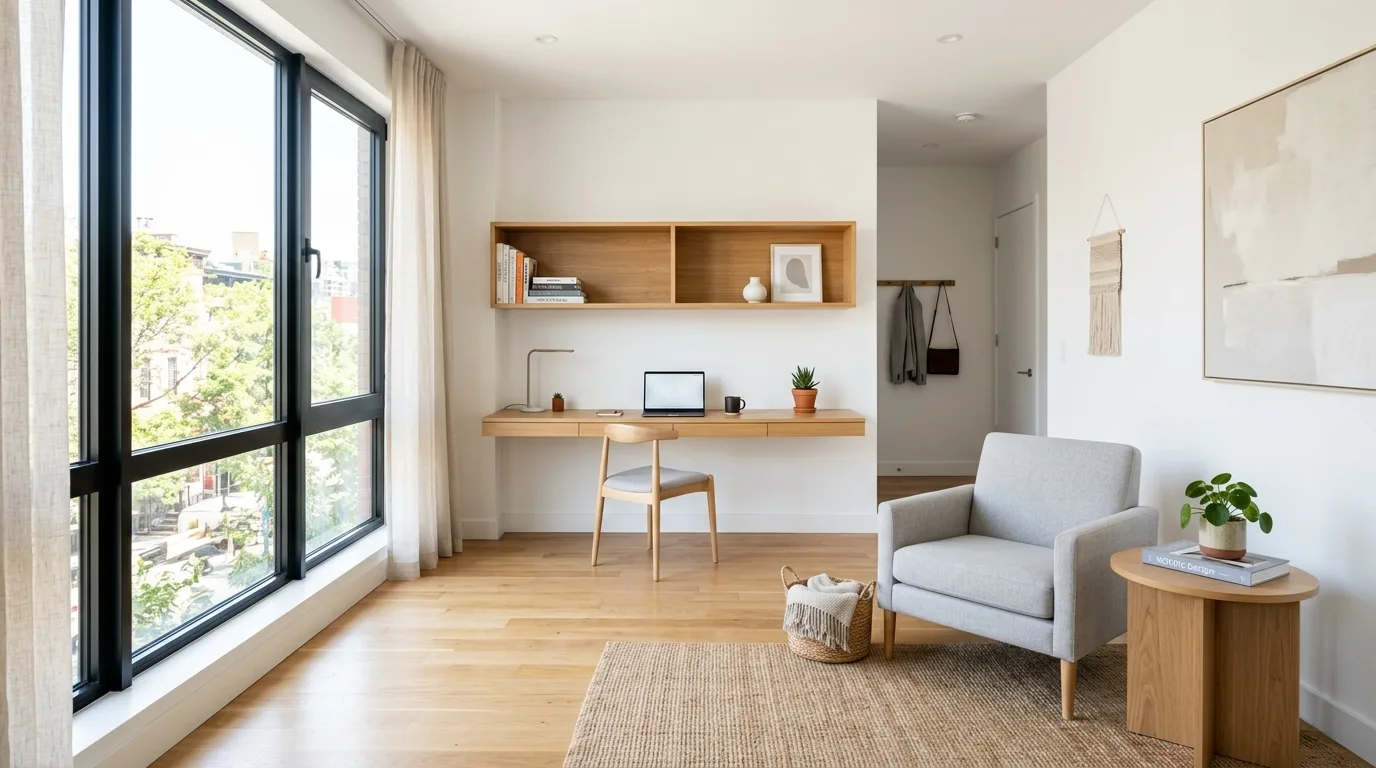
An armchair, a throw, a side table, and a lamp can turn one small part of the room into a perfect hygge nook. These little retreat spots help the whole room feel more intentional.
Styling tip: Keep the lighting warm and soft so the setup feels inviting instead of harsh.
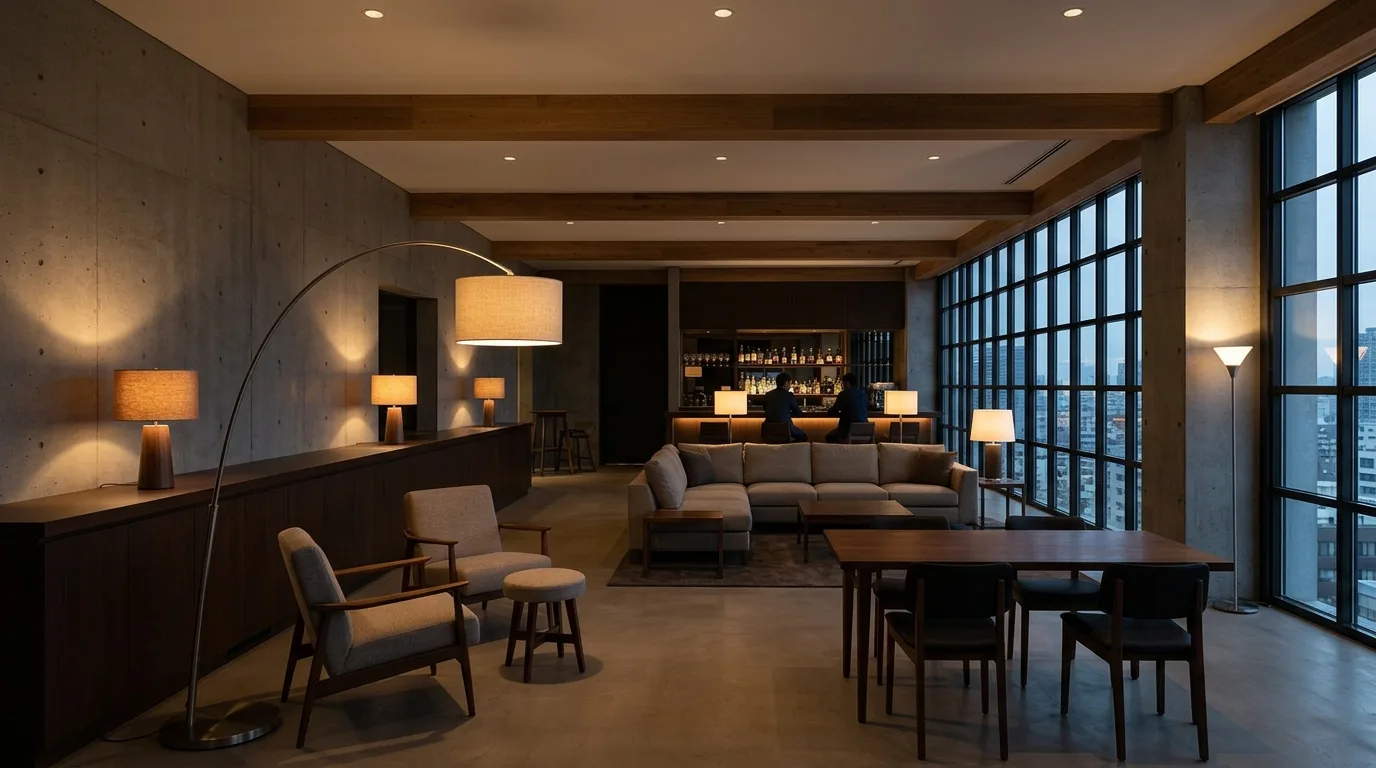
Use several softer light sources
Floor lamps, table lamps, and candlelight create the kind of layered glow that makes a room feel intimate. Hygge rarely works under one bright overhead bulb.
Styling tip: Keep the lighting warm and soft so the setup feels inviting instead of harsh.
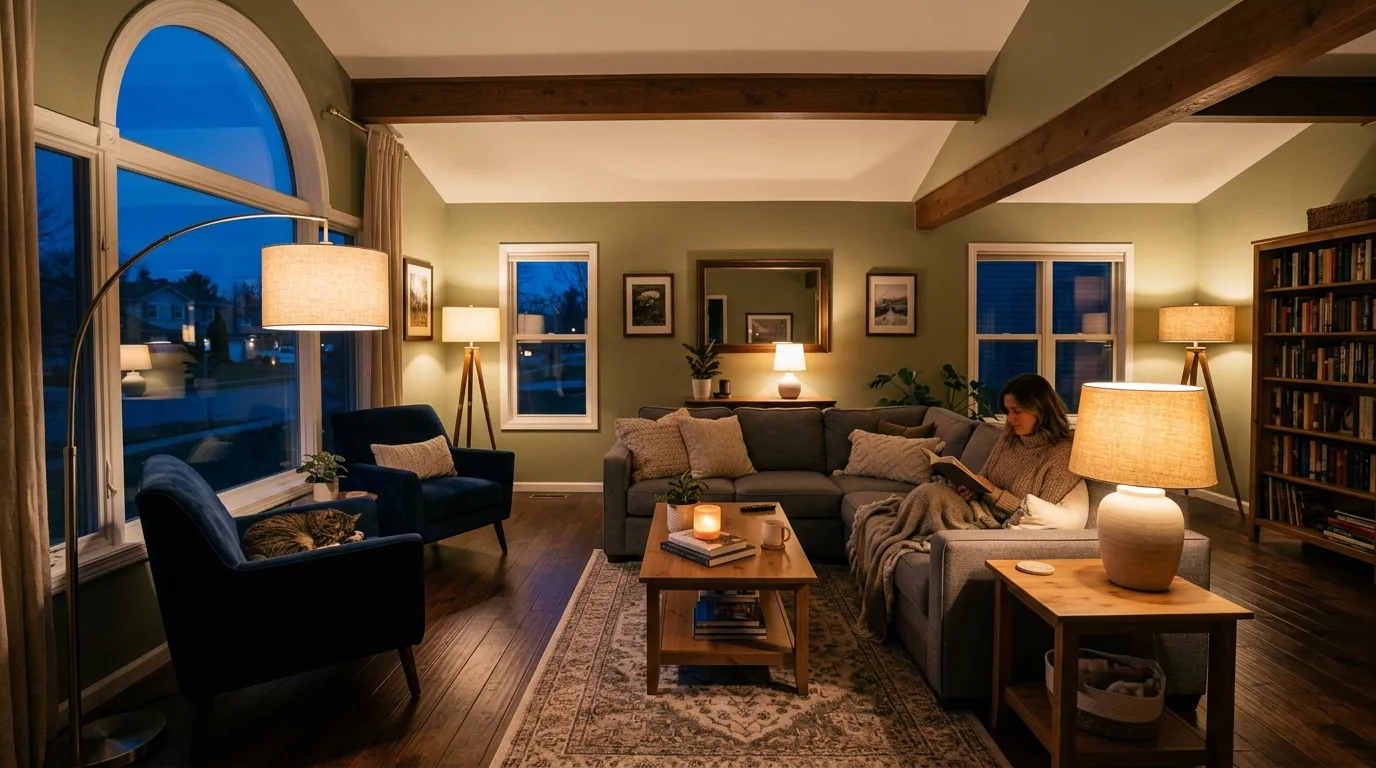
Keep the palette quiet
Soft whites, grays, oatmeal, taupe, and earthy tones keep the room restful. A calmer palette lets texture and light carry the mood.
Styling tip: Keep the lighting warm and soft so the setup feels inviting instead of harsh.
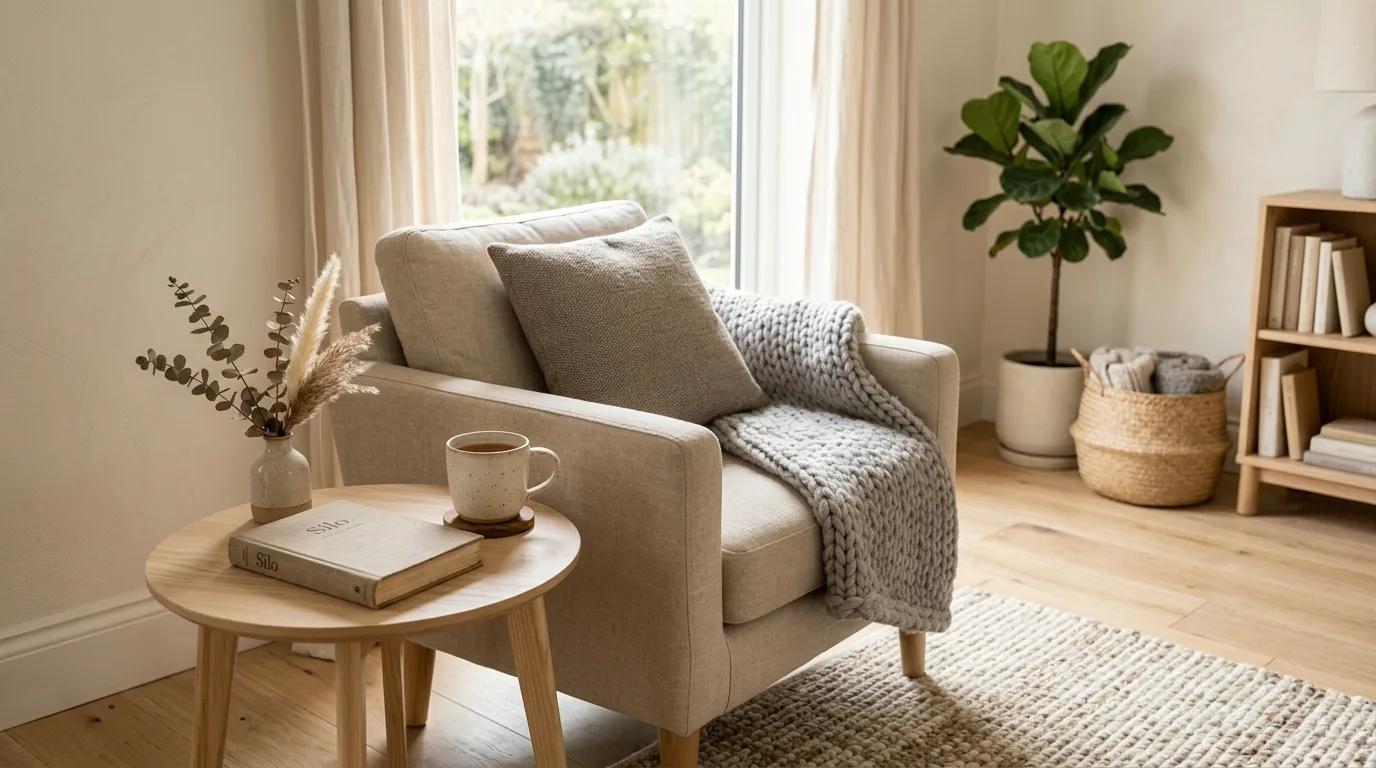
Add scents and small rituals
Candles, fresh flowers, tea, books, and other everyday comforts help the room feel emotionally warm, not just visually styled. Hygge lives in those little habits.
Styling tip: Leave a little breathing room around the main pieces so the space does not feel crowded.
Final Takeaway
Hygge is less about buying a certain look and more about creating a room that feels deeply comforting to spend time in. Start with textiles generously so the room feels immediately inviting, then build around the pieces that make the space feel easier to use and nicer to look at every day.