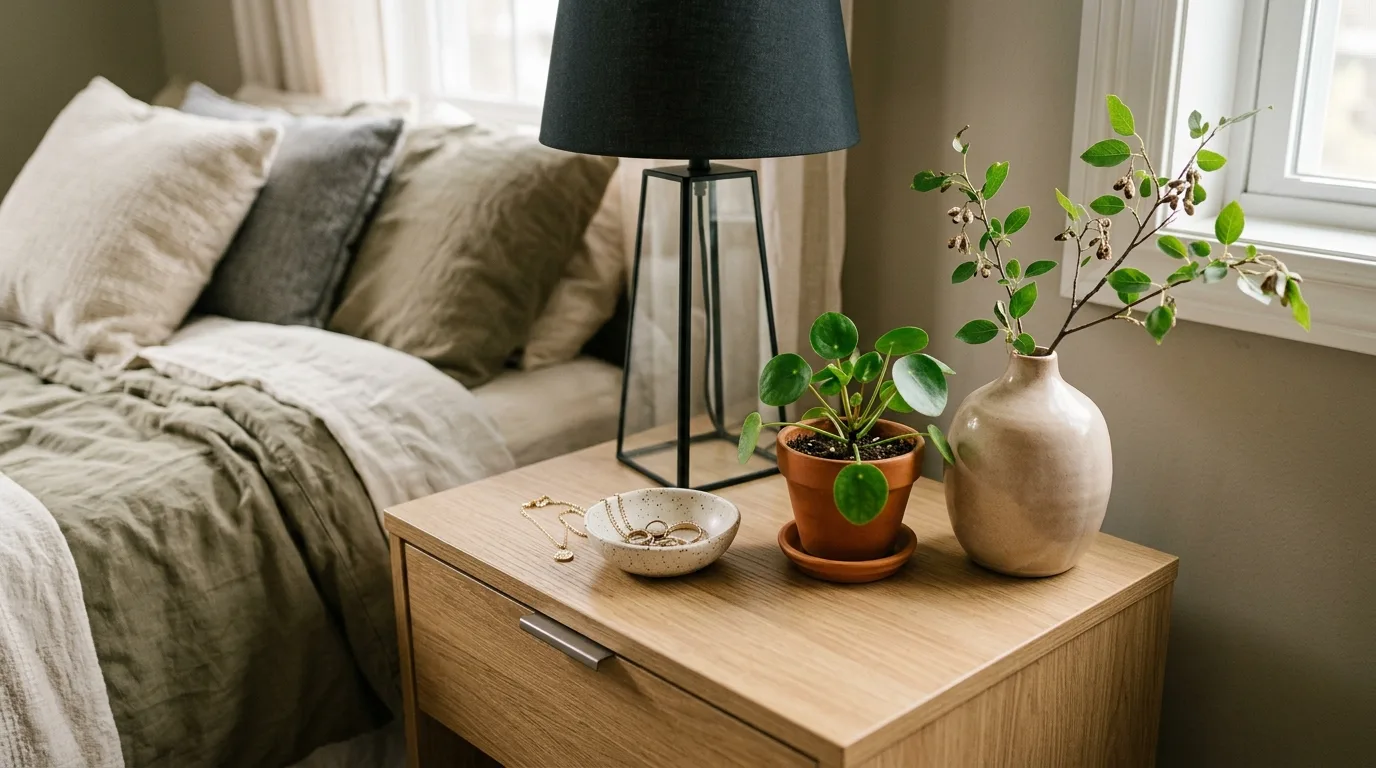
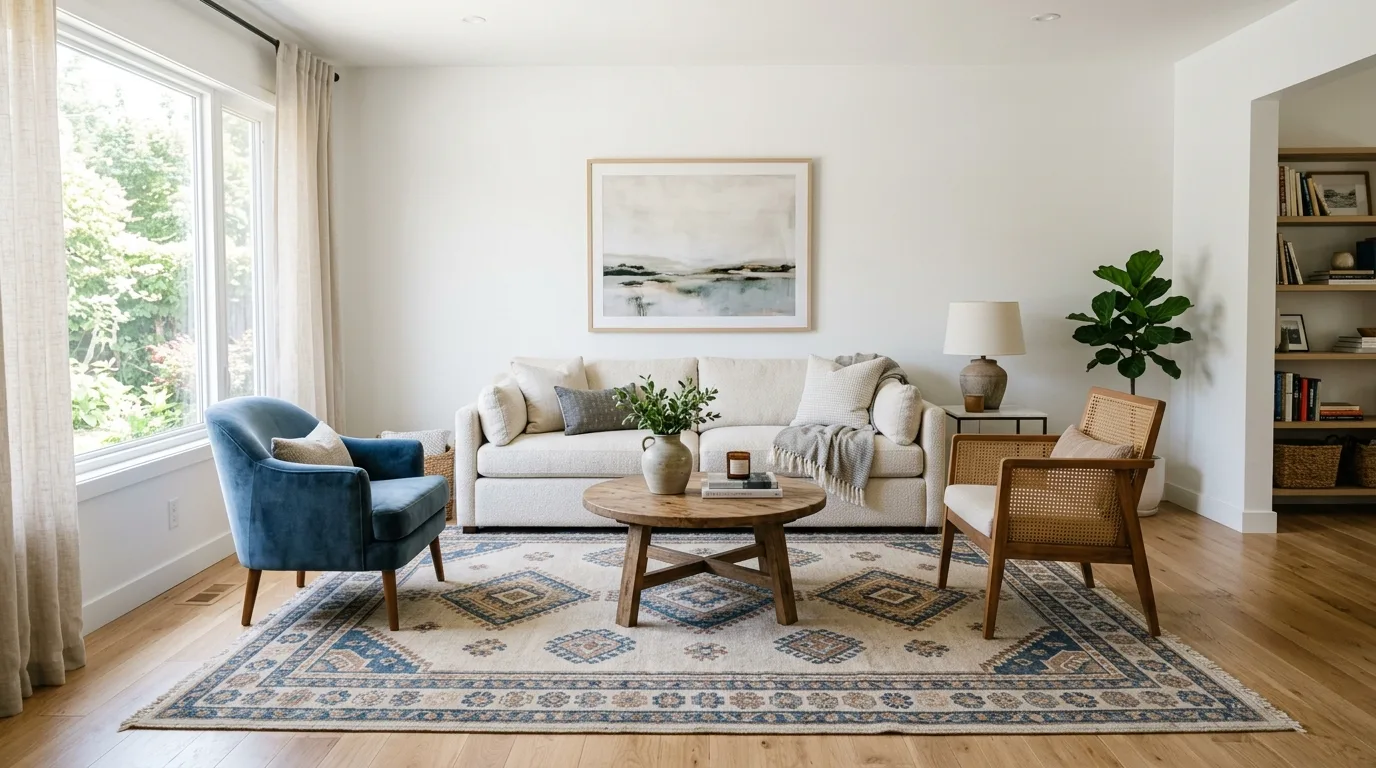
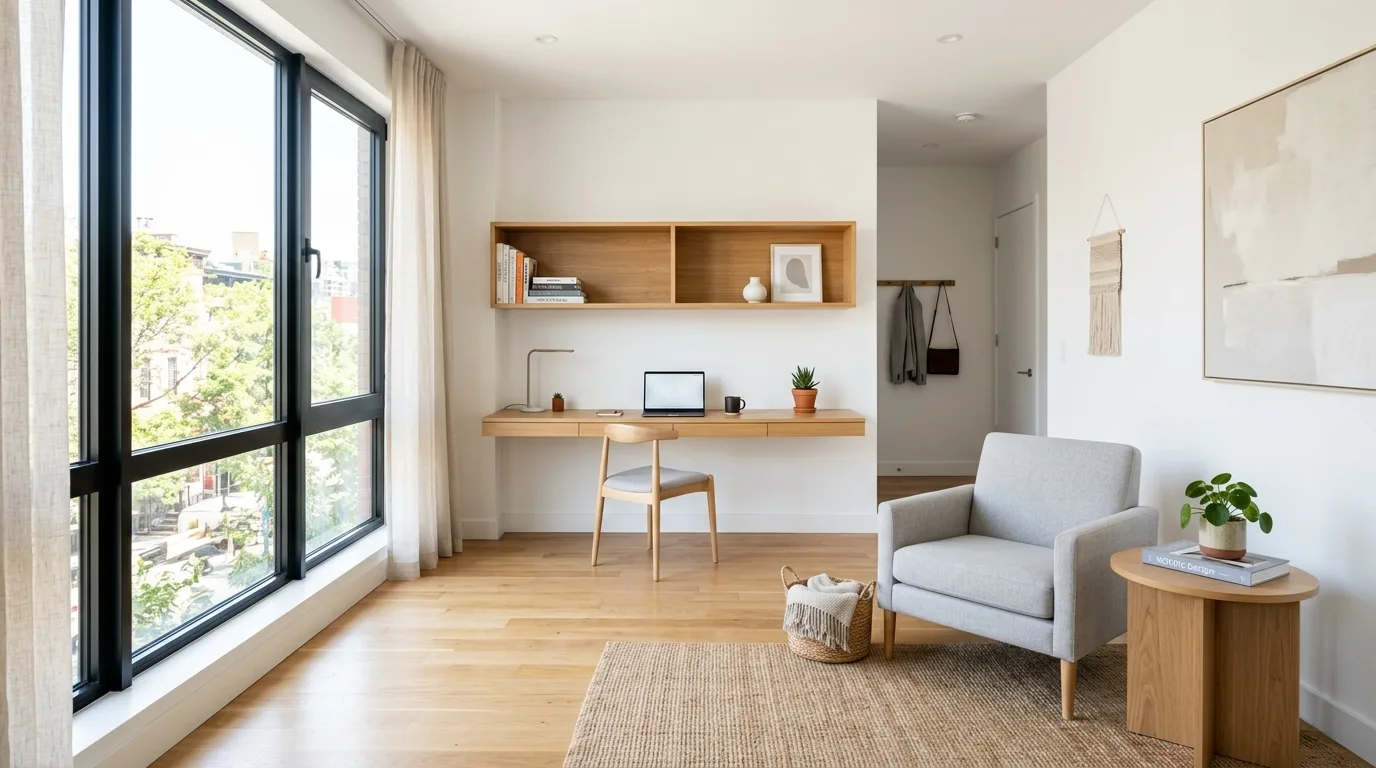
DIY wall art is one of the smartest budget decorating tools because it fills space, adds personality, and can be customized to suit the exact colors and mood of the room. The best low-cost projects rely on simple materials used thoughtfully, rather than trying to imitate expensive art too literally.
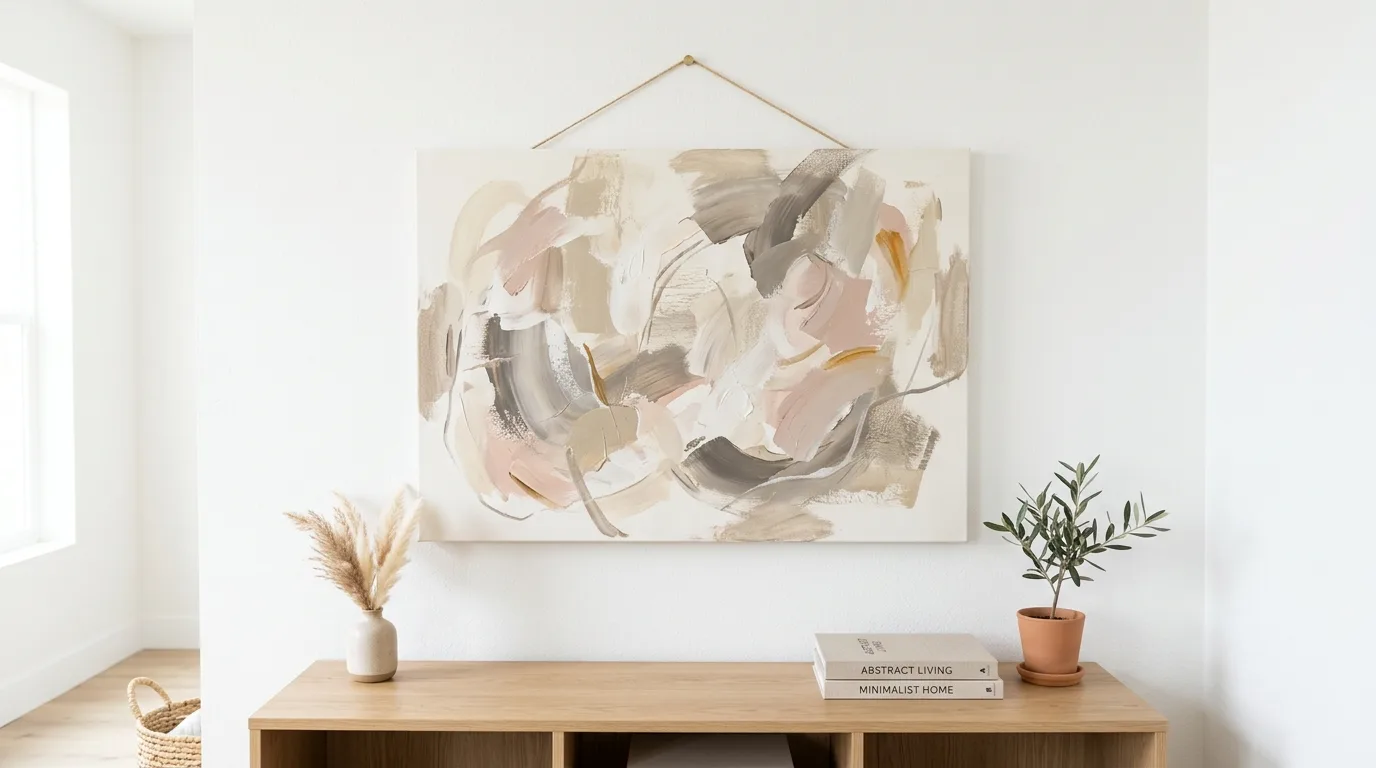
Paint abstract canvas art
A simple abstract piece in room-friendly colors can look far more expensive than it costs to make.
Styling tip: Repeat the main color in a few places so the look feels connected instead of random.
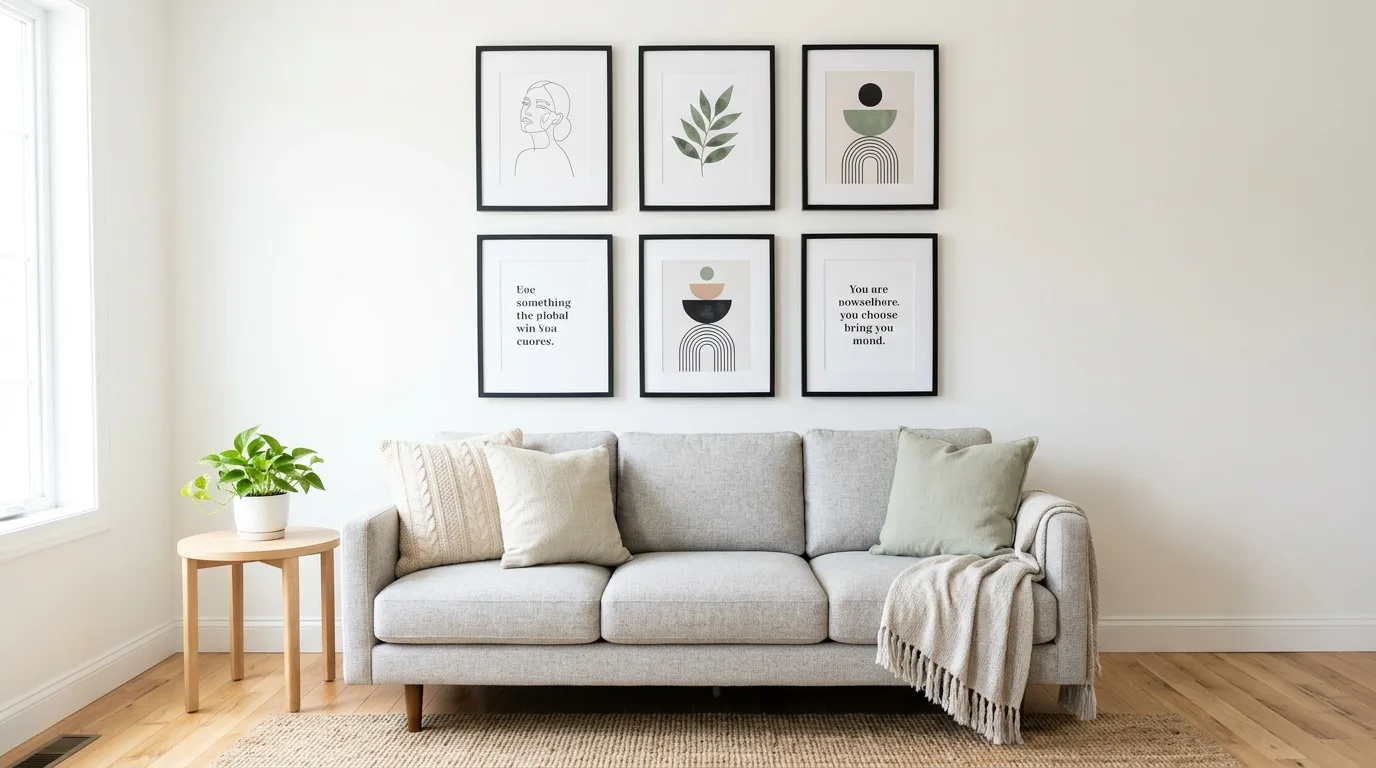
Build a gallery wall from printables
Printable art in inexpensive frames is one of the easiest ways to cover a larger wall stylishly on a budget.
Styling tip: Keep the surface edited so the functional pieces still have room to look styled.
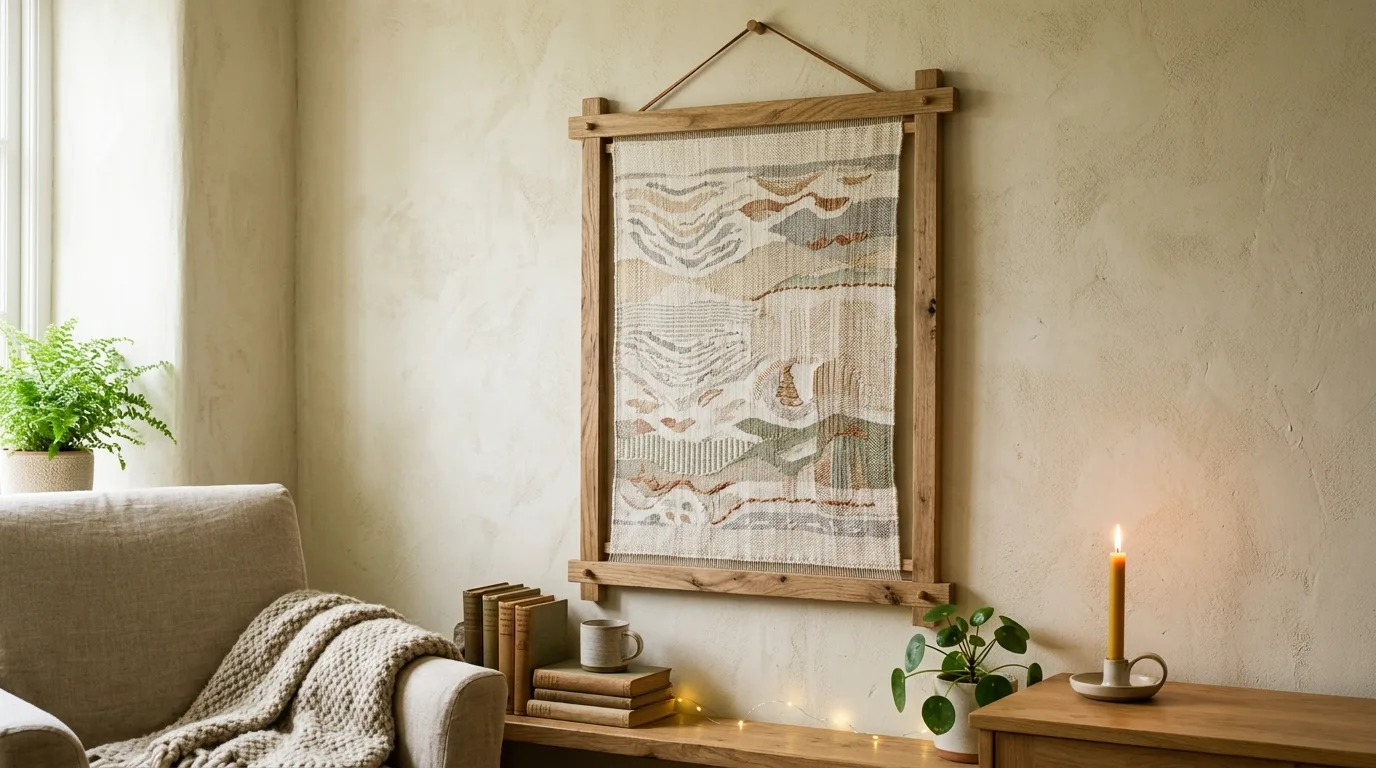
Stretch fabric over a frame
Textile art adds softness and pattern and can work beautifully in bedrooms or cozy living spaces.
Styling tip: Layer one or two soft textures instead of adding too many decorative extras.
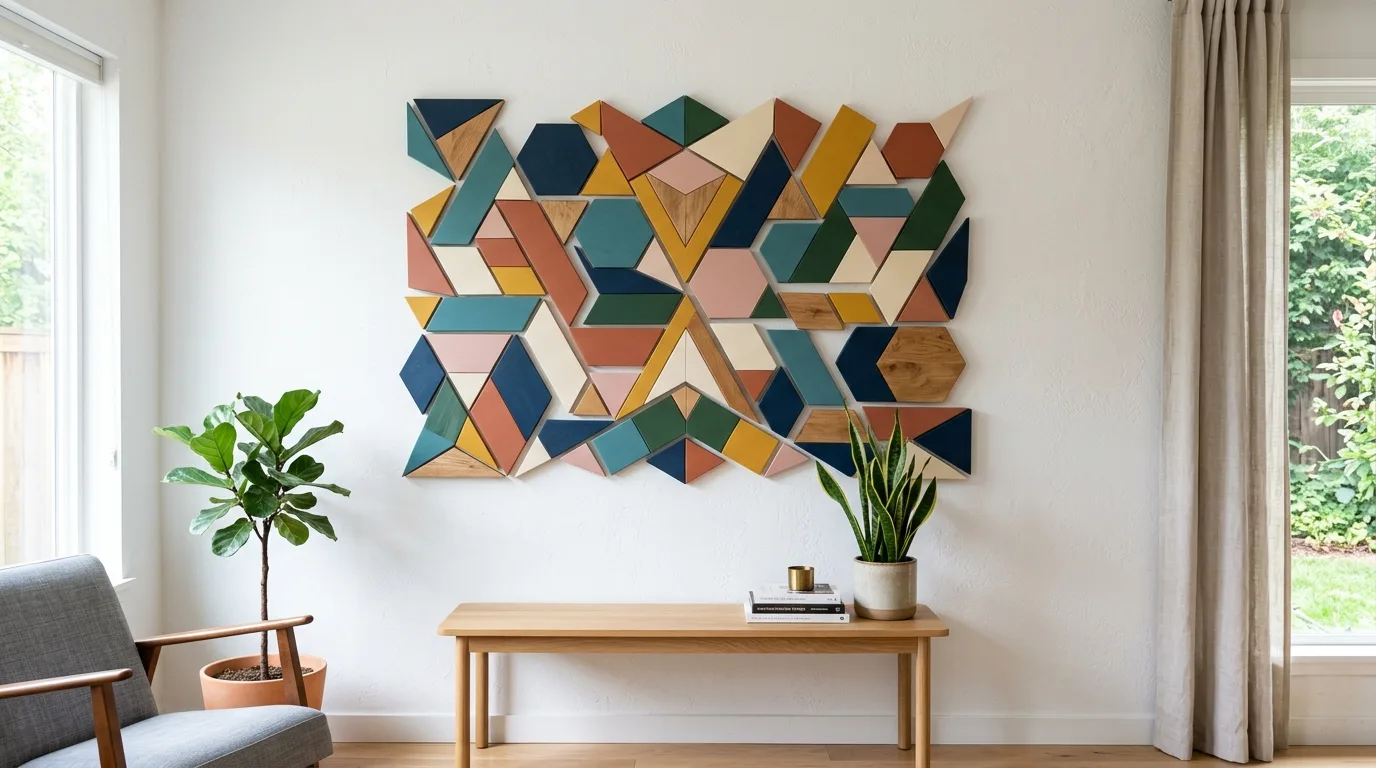
Try geometric painted wood art
Cut or painted wooden shapes can create a modern handmade piece with real structure.
Styling tip: Repeat the main color in a few places so the look feels connected instead of random.
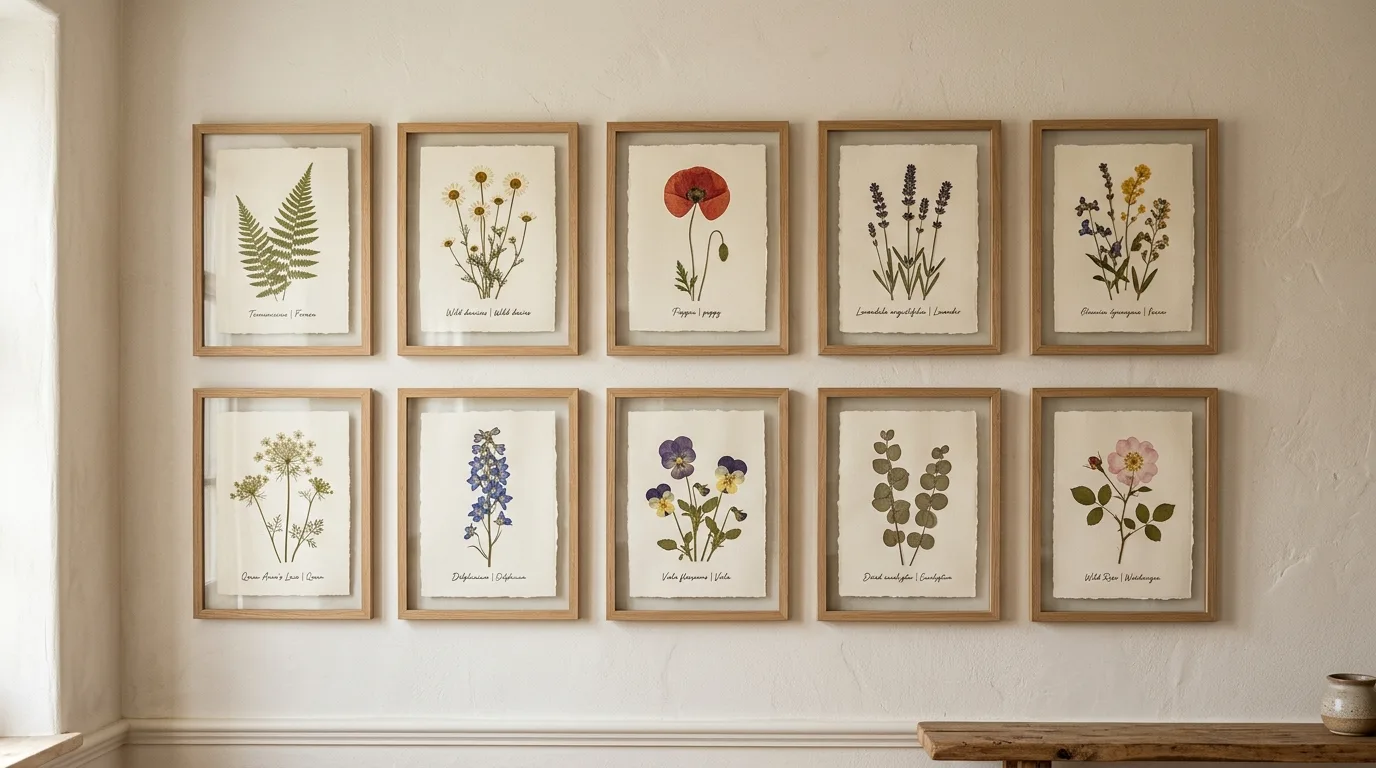
Frame pressed flowers or leaves
Botanical art is inexpensive, delicate, and especially lovely in spring-inspired or cottage-style interiors.
Styling tip: Give the wall feature enough blank space around it so it can read as a focal point.
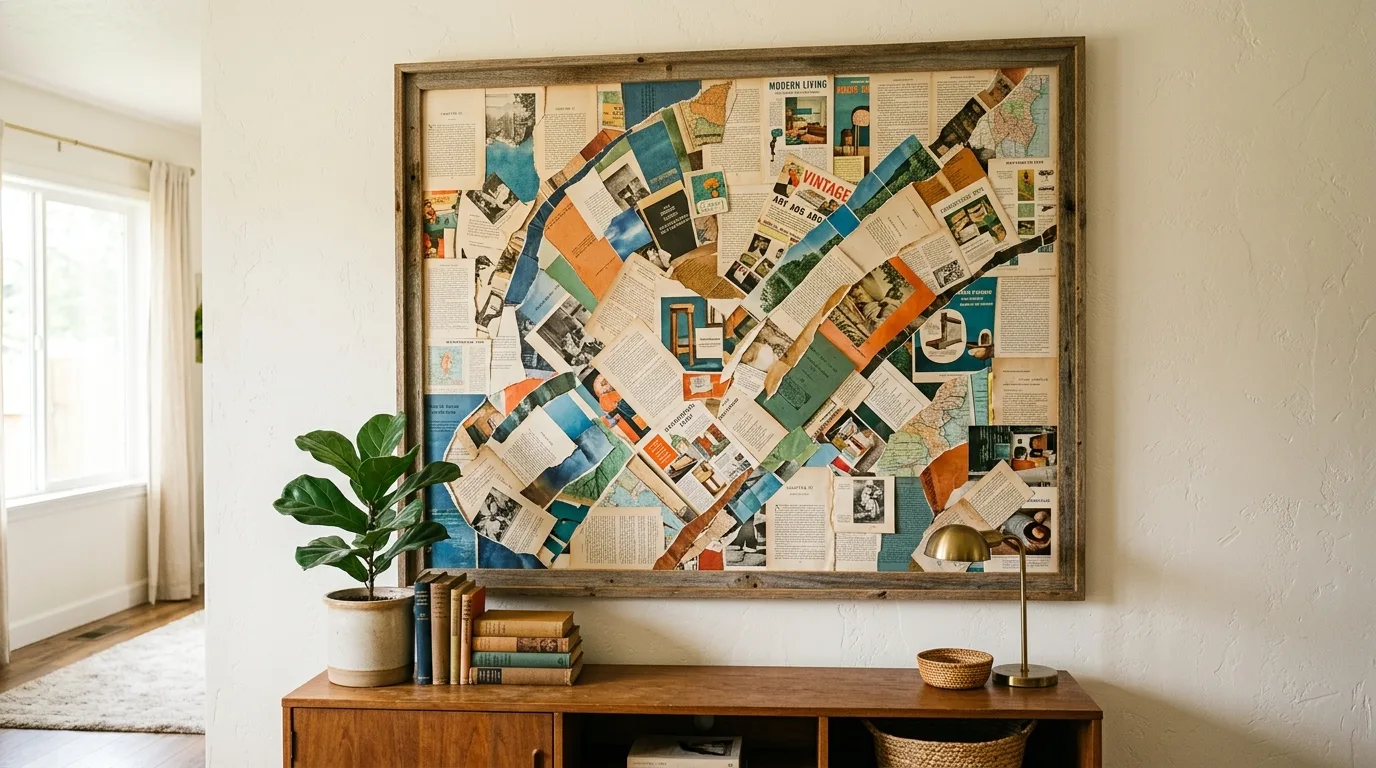
Make a collage from old pages
Book pages, sheet music, or magazine cutouts can become surprisingly charming layered wall art.
Styling tip: Give the wall feature enough blank space around it so it can read as a focal point.
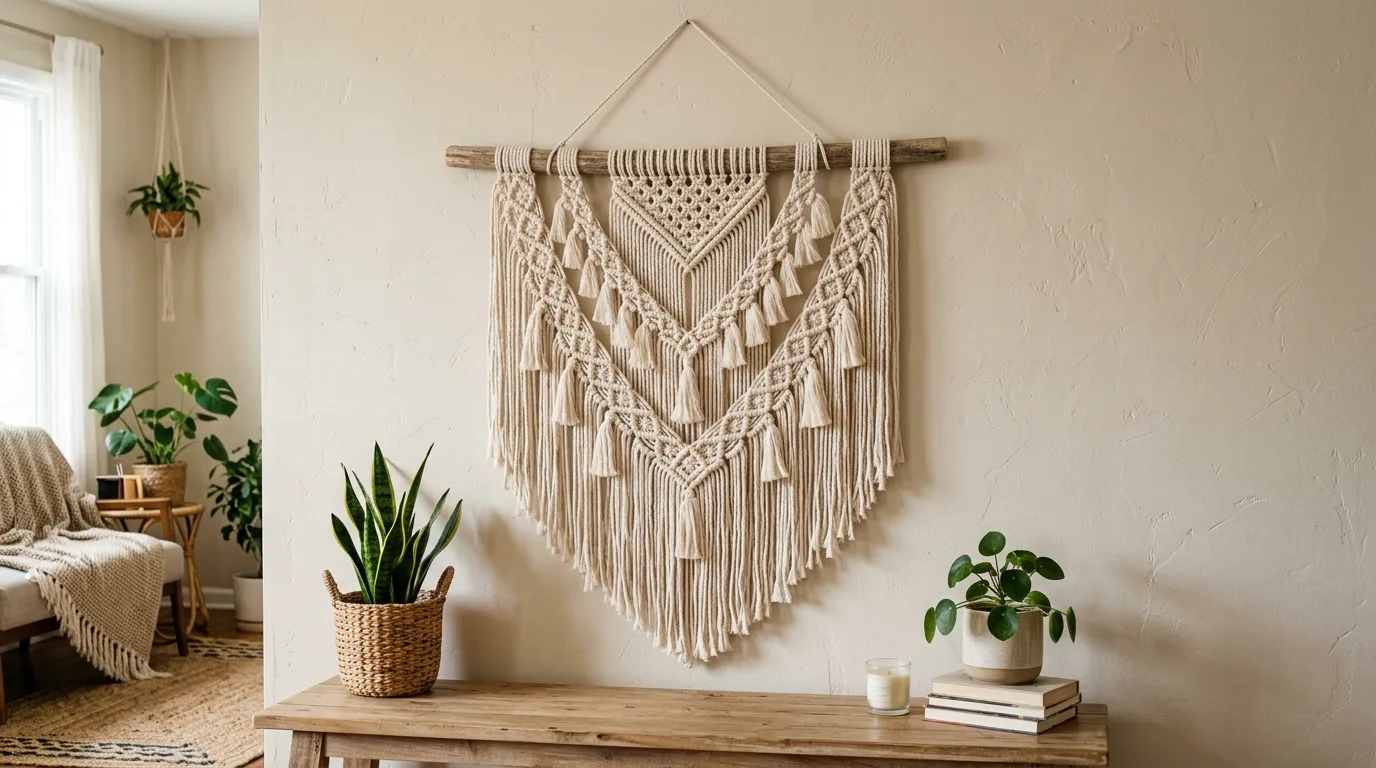
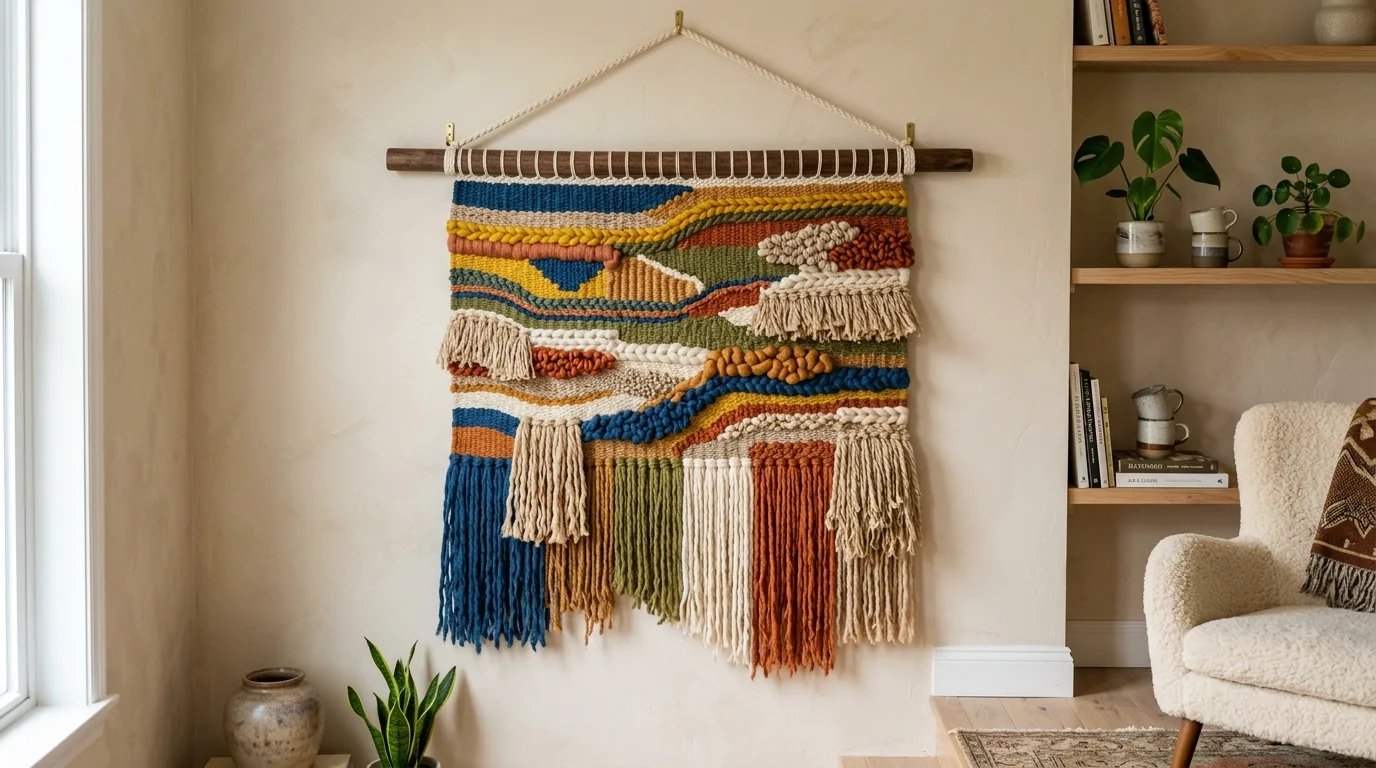
Use macrame or yarn texture
Textural wall art adds dimension in a way that flat framed prints cannot, especially in boho or relaxed rooms.
Styling tip: Give the wall feature enough blank space around it so it can read as a focal point.
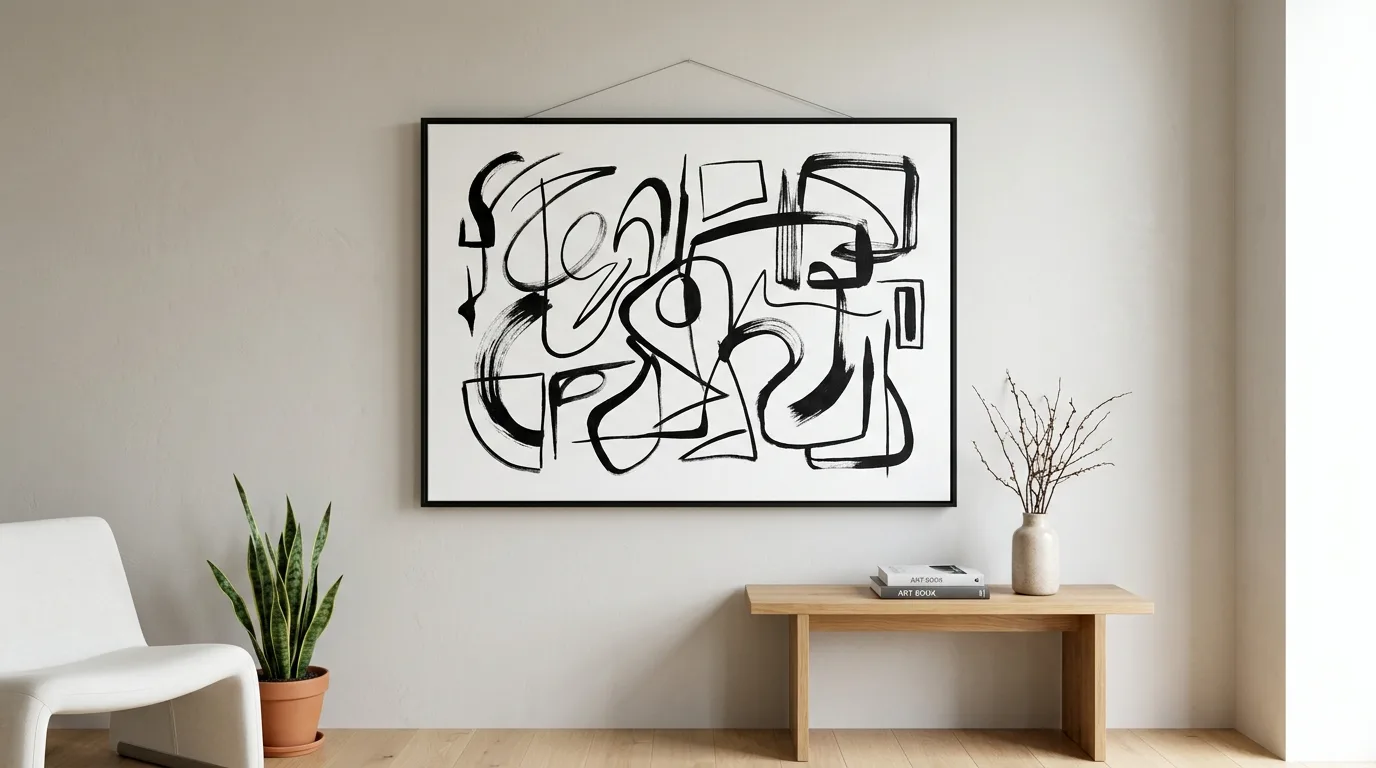
Paint minimalist line art
Simple black-on-white artwork can create a strong modern look with very few materials.
Styling tip: Repeat the main color in a few places so the look feels connected instead of random.
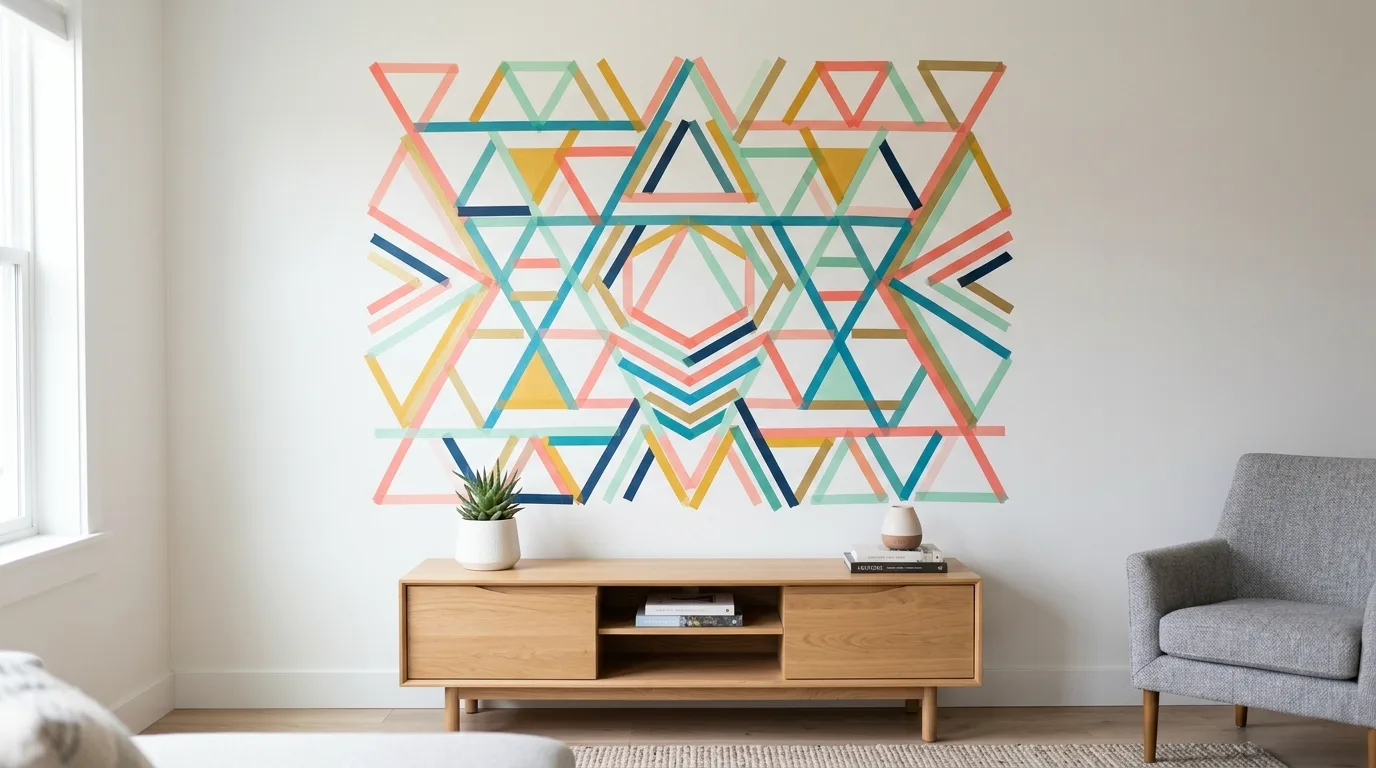
Try temporary washi tape shapes
Washi tape is a great low-risk option if you want playful geometric wall decor without permanence.
Styling tip: Give the wall feature enough blank space around it so it can read as a focal point.
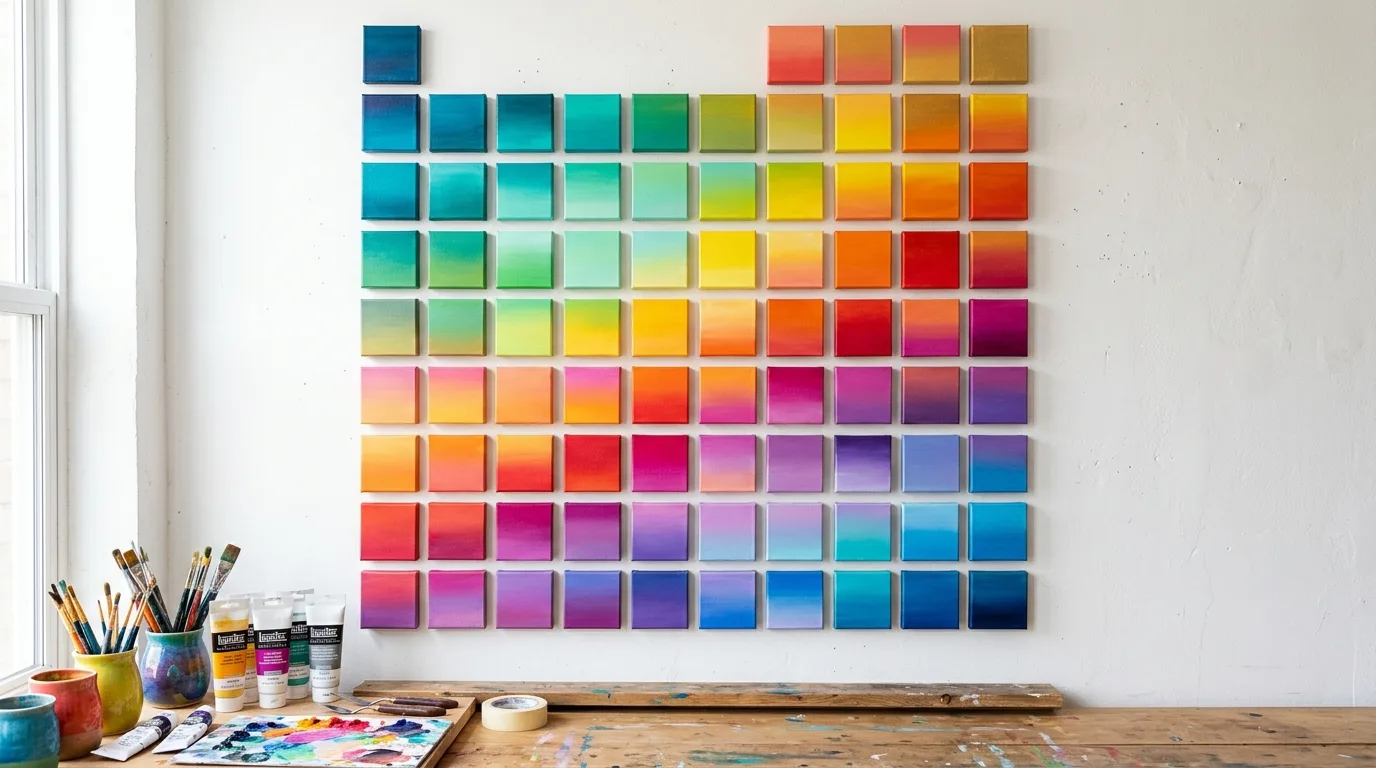
Use small canvases in a set
Several coordinated smaller pieces often feel more intentional than one undersized canvas on a large wall.
Styling tip: Leave a little breathing room around the main pieces so the space does not feel crowded.
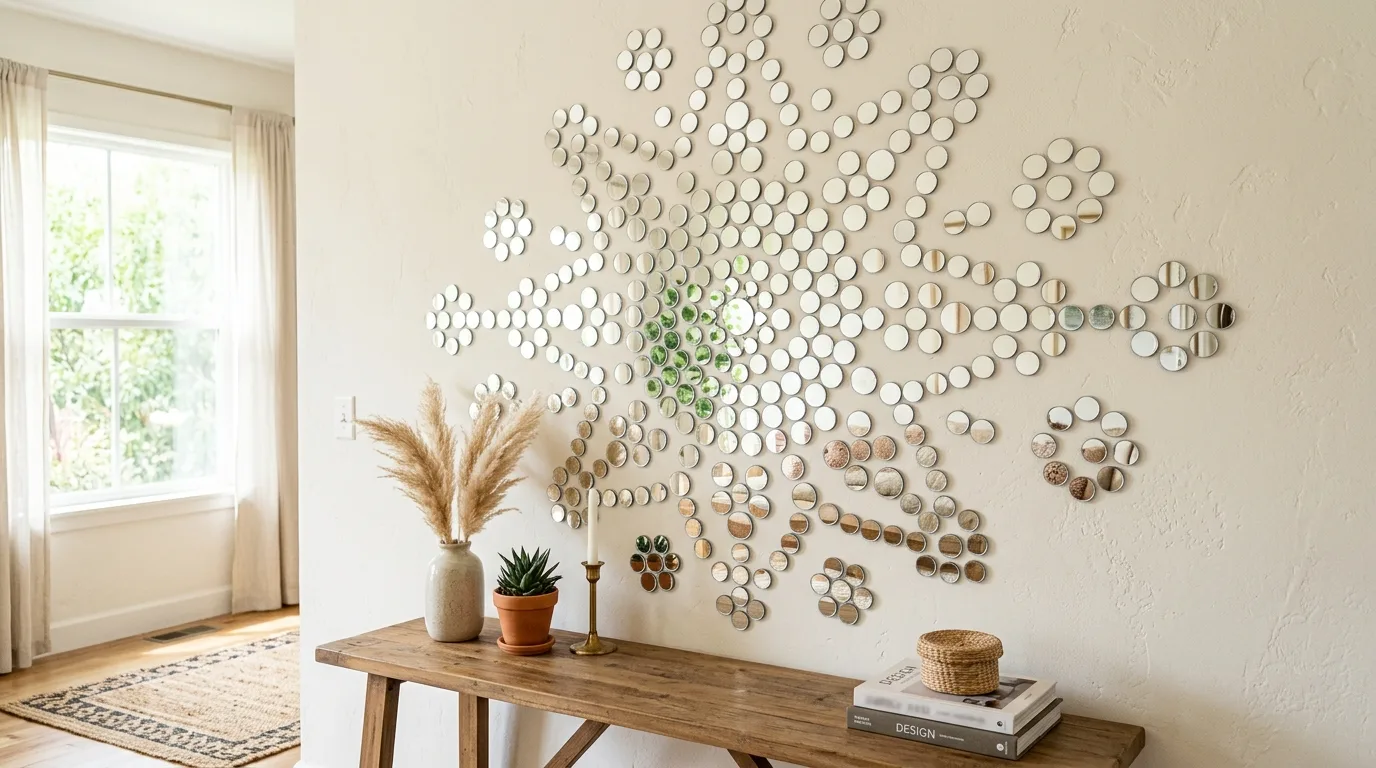
Create decorative mirror groupings
Mirrors can function like wall art while also helping a room feel brighter and larger.
Styling tip: Keep the lighting warm and soft so the setup feels inviting instead of harsh.
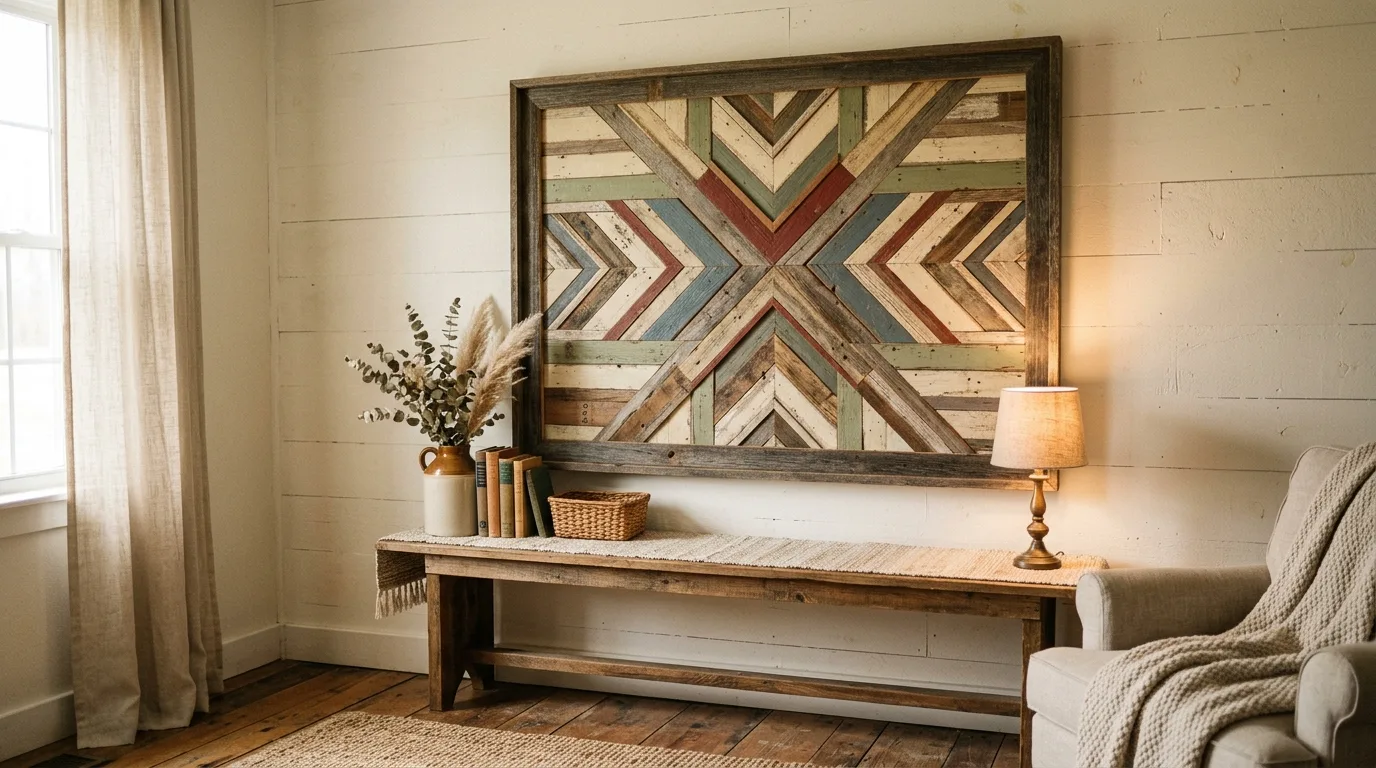
Repurpose scrap wood into rustic art
Painted or patterned reclaimed wood can become a surprisingly strong farmhouse or rustic wall feature.
Styling tip: Repeat the main color in a few places so the look feels connected instead of random.
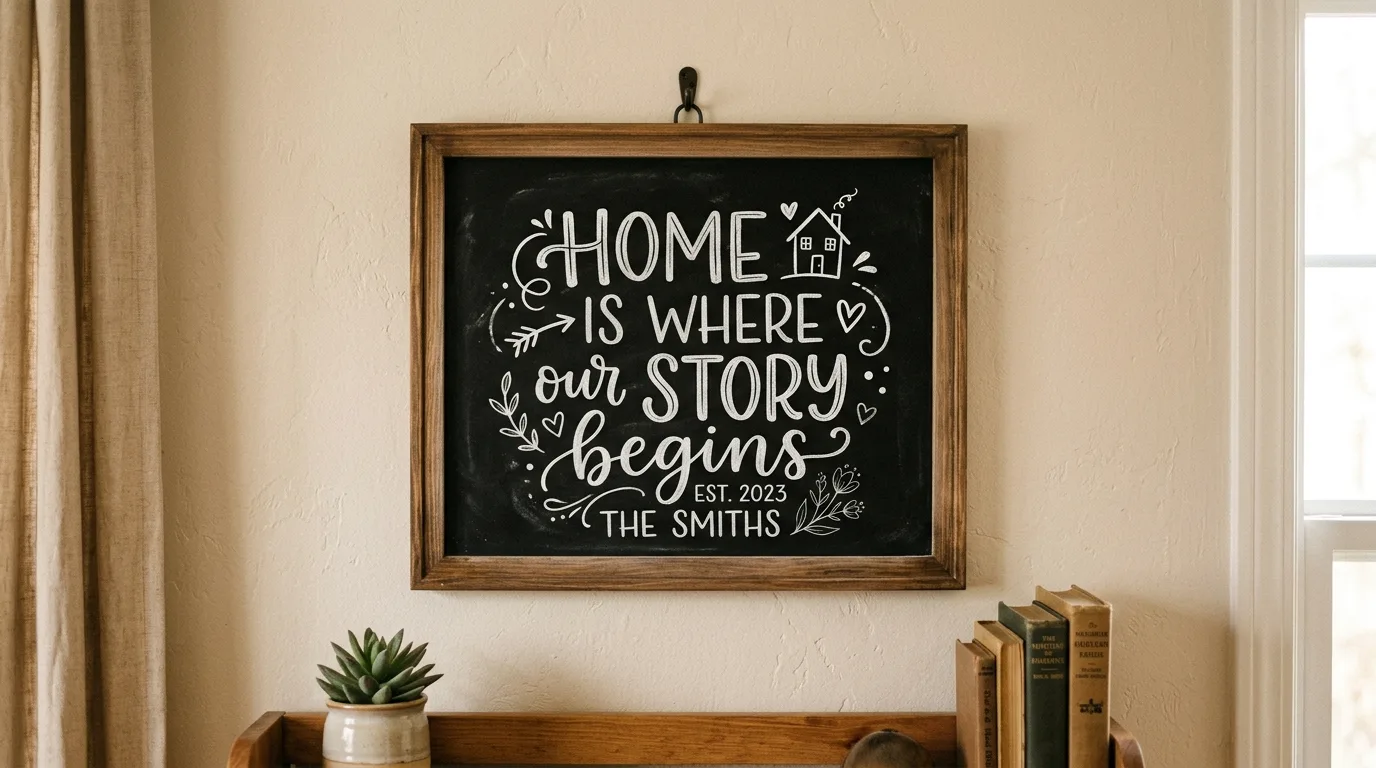
Use chalkboard art for flexibility
A framed chalkboard lets you change the message or design whenever the room or season shifts.
Styling tip: Give the wall feature enough blank space around it so it can read as a focal point.
Keep the final layout intentional
Budget wall art feels most successful when the spacing, scale, and palette are just as thoughtfully considered as the materials.
Styling tip: Give the wall feature enough blank space around it so it can read as a focal point.
Final Takeaway
DIY wall art is one of the smartest budget decorating tools because it fills space, adds personality, and can be customized to suit the exact colors and mood of the room. Start with wall art can have a huge visual impact for relatively little cost, then build around the pieces that make the space feel easier to use and nicer to look at every day.