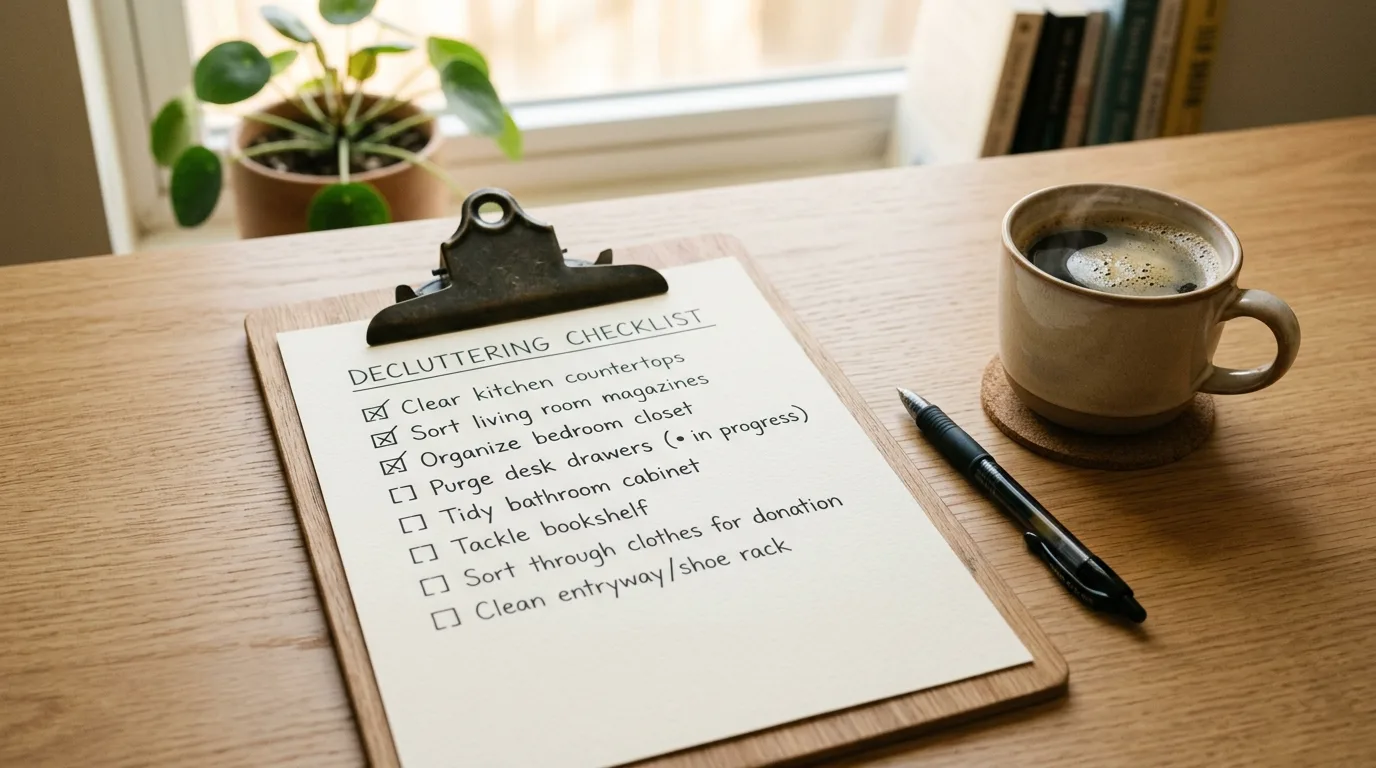
Decluttering feels easier when it stops being one huge vague goal and becomes a set of smaller repeatable actions. A checklist approach helps you move room by room, make steadier decisions, and create a home that feels calmer and easier to maintain instead of temporarily tidier for one afternoon.
Start with visible surfaces
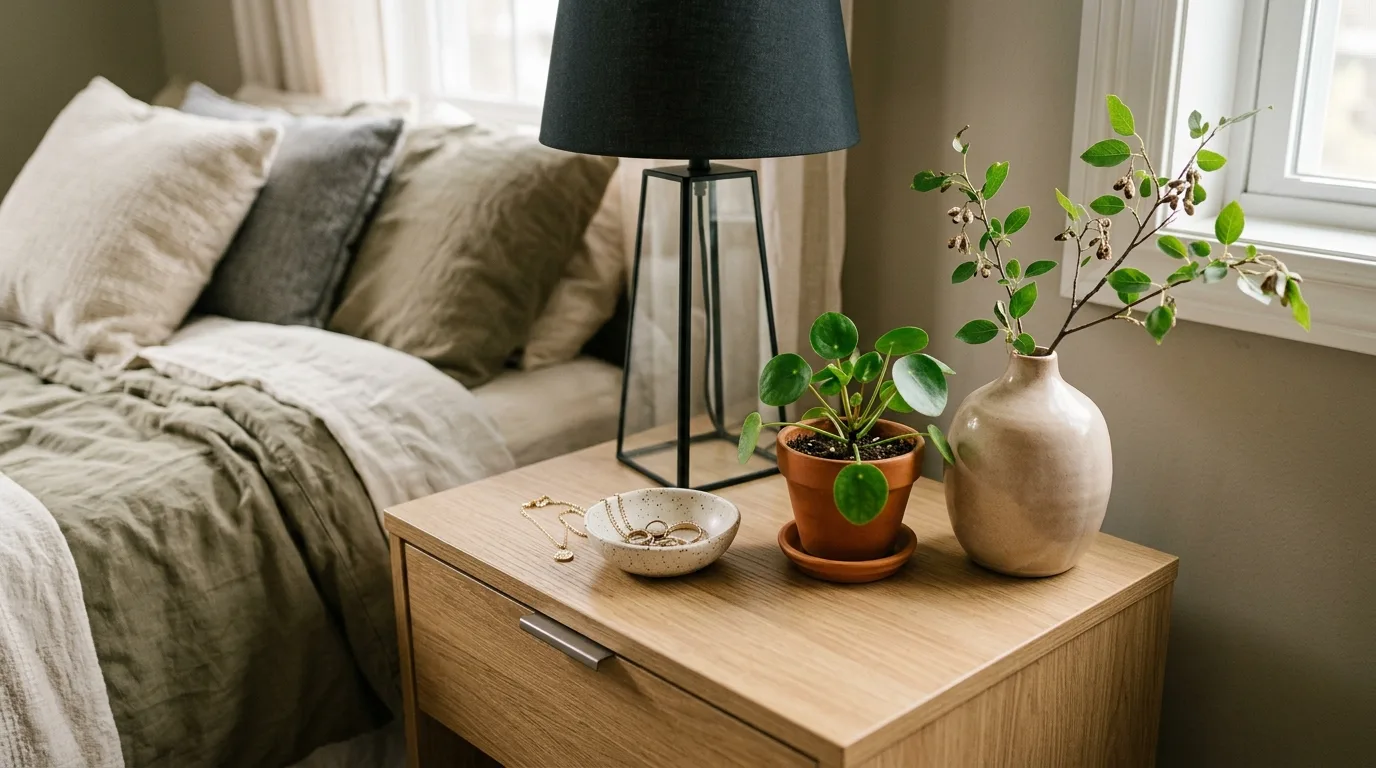
Clearing counters, tables, and nightstands creates fast visual relief and gives you momentum before tackling hidden storage.
Styling tip: Use one contained storage zone so the room stays easier to maintain day to day.
Gather obvious donations first
The easiest wins usually come from removing items you already know you do not need, wear, or use.
Styling tip: Focus on small zones are usually easier to finish than whole rooms at once.
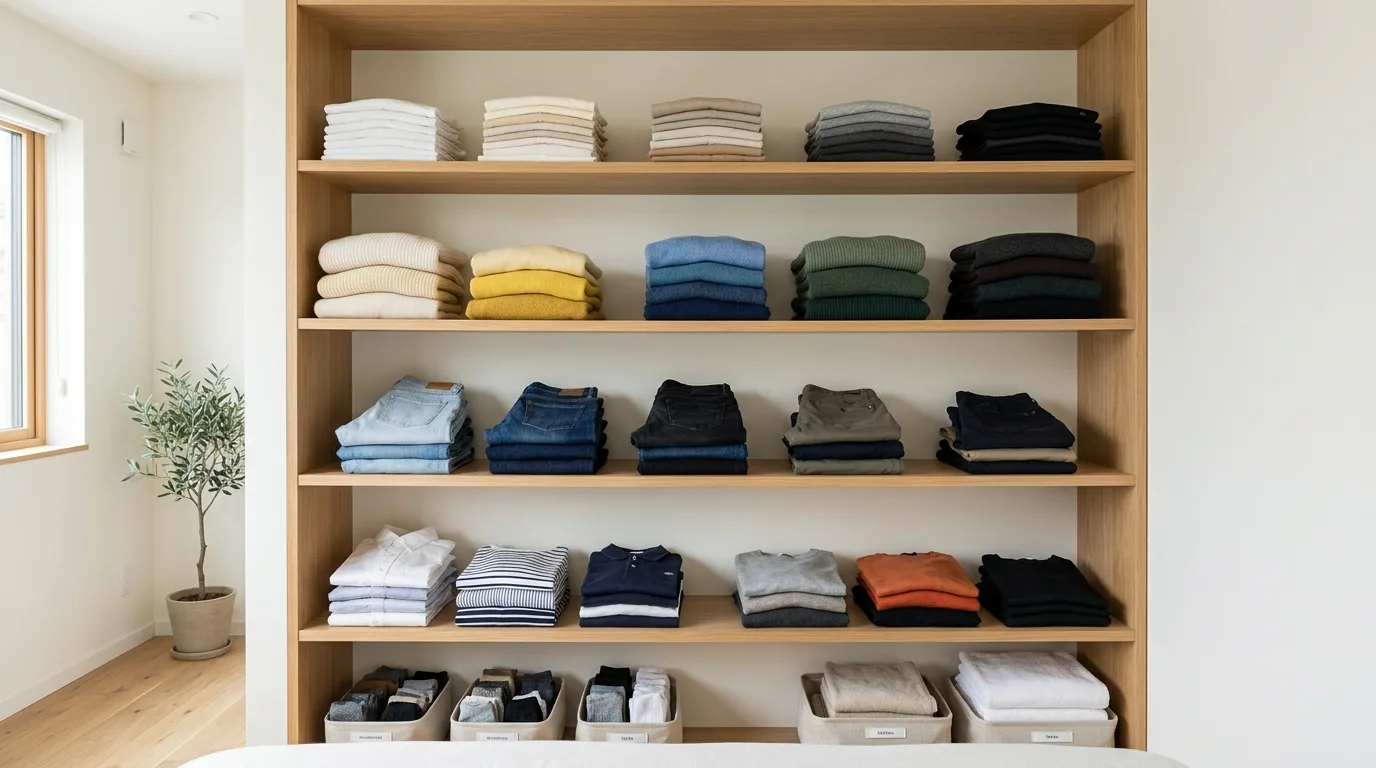
Work one category at a time when needed
Clothes, books, papers, and kitchen tools can be easier to evaluate when seen together instead of spread across the house.
Styling tip: Focus on the goal is not emptiness, but a home that feels easier to use and maintain.
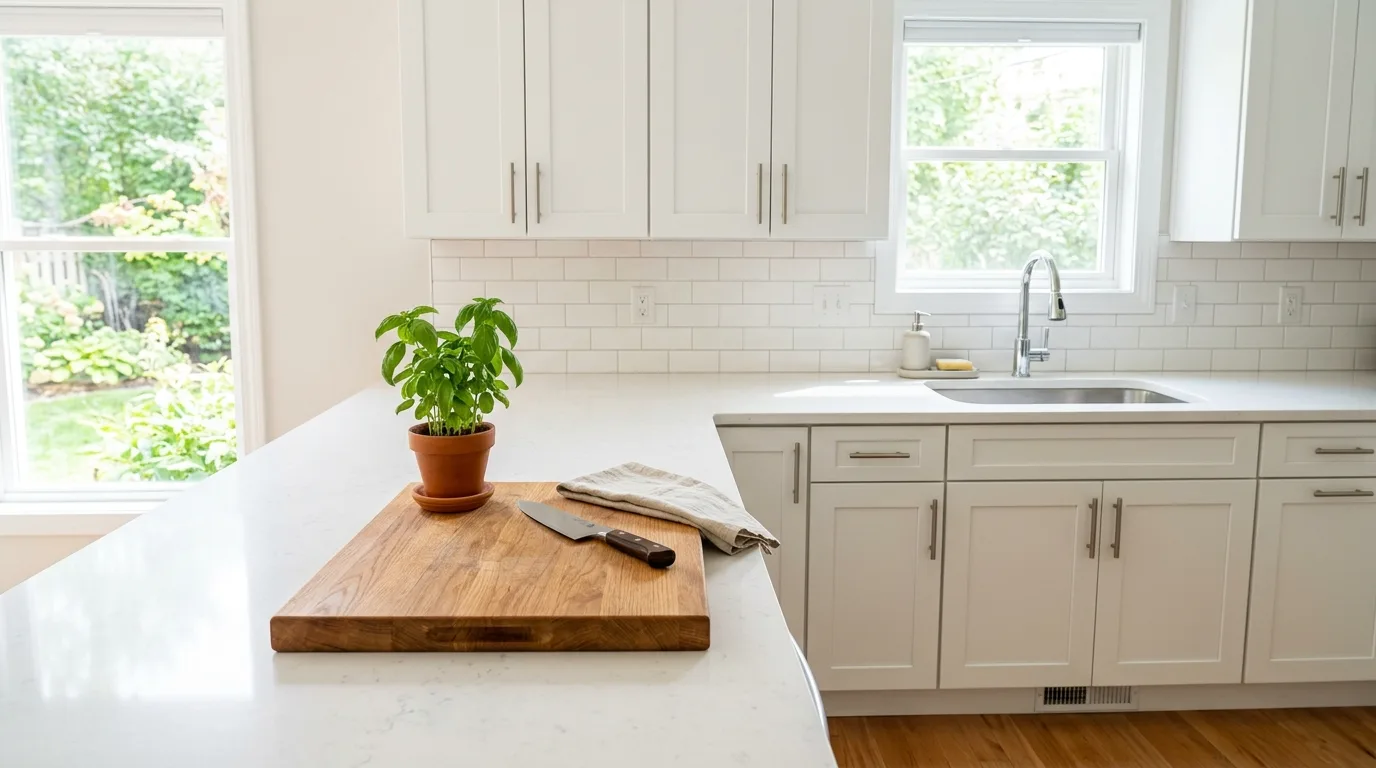
Empty one drawer or shelf fully
Complete resets often make it easier to decide what actually deserves that space instead of shifting clutter around.
Styling tip: Use one contained storage zone so the room stays easier to maintain day to day.
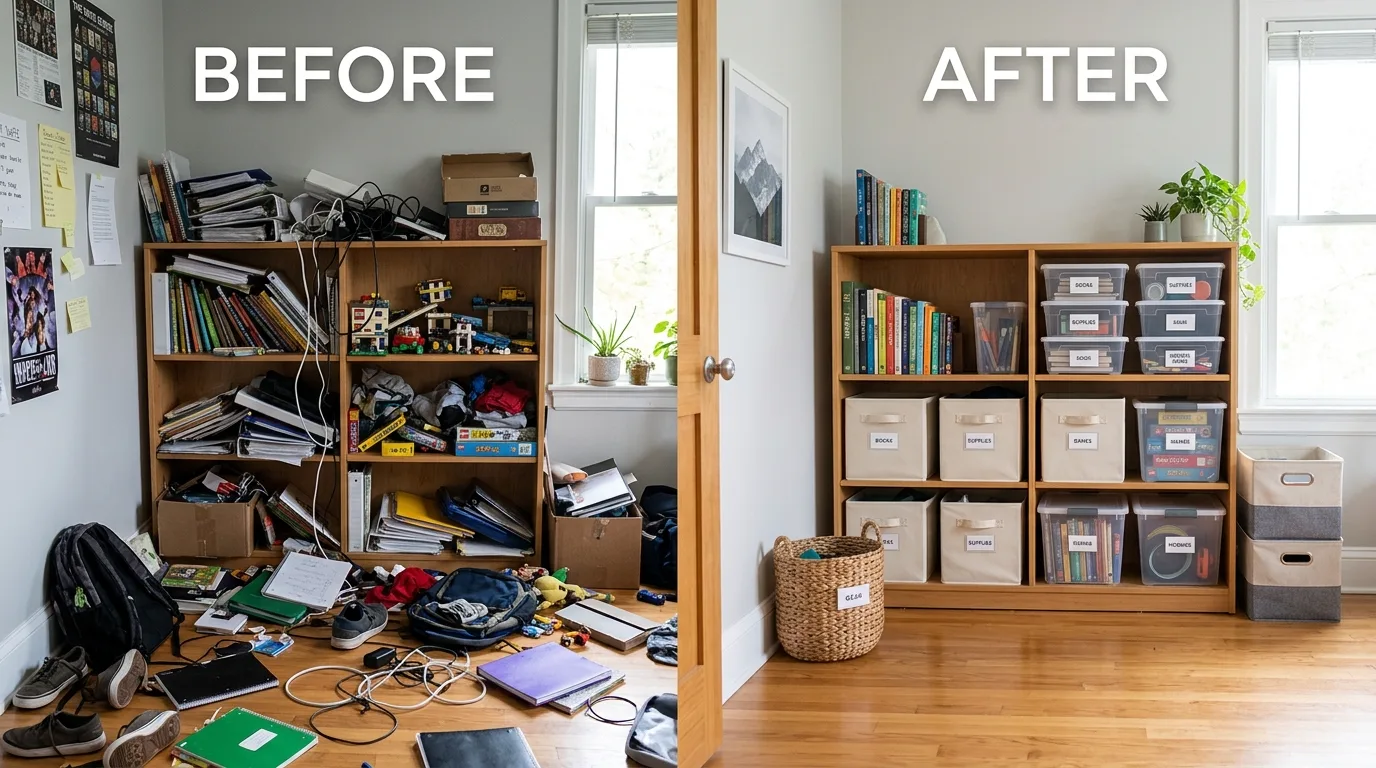
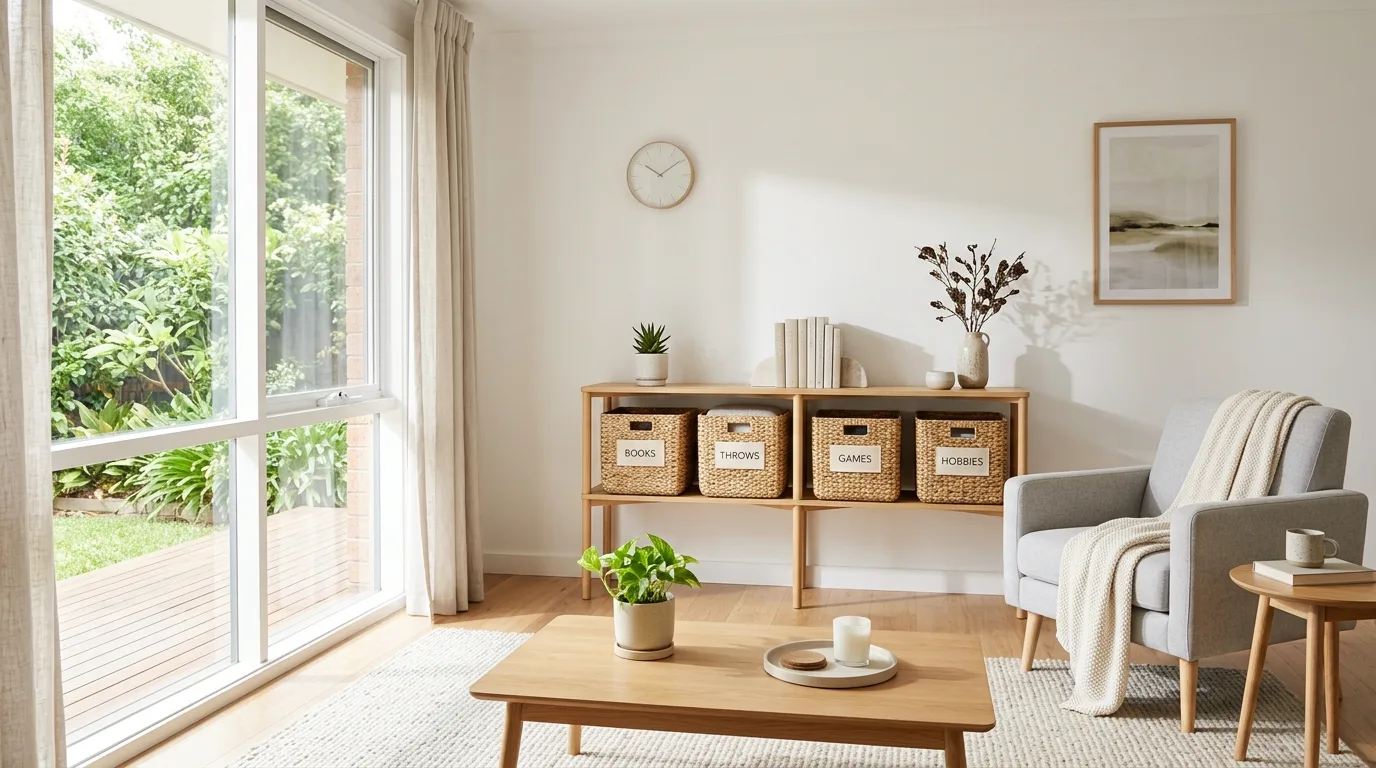
Use labeled bins for temporary sorting
Trash, donate, relocate, and keep categories help you move faster and make better decisions.
Styling tip: Focus on small zones are usually easier to finish than whole rooms at once.
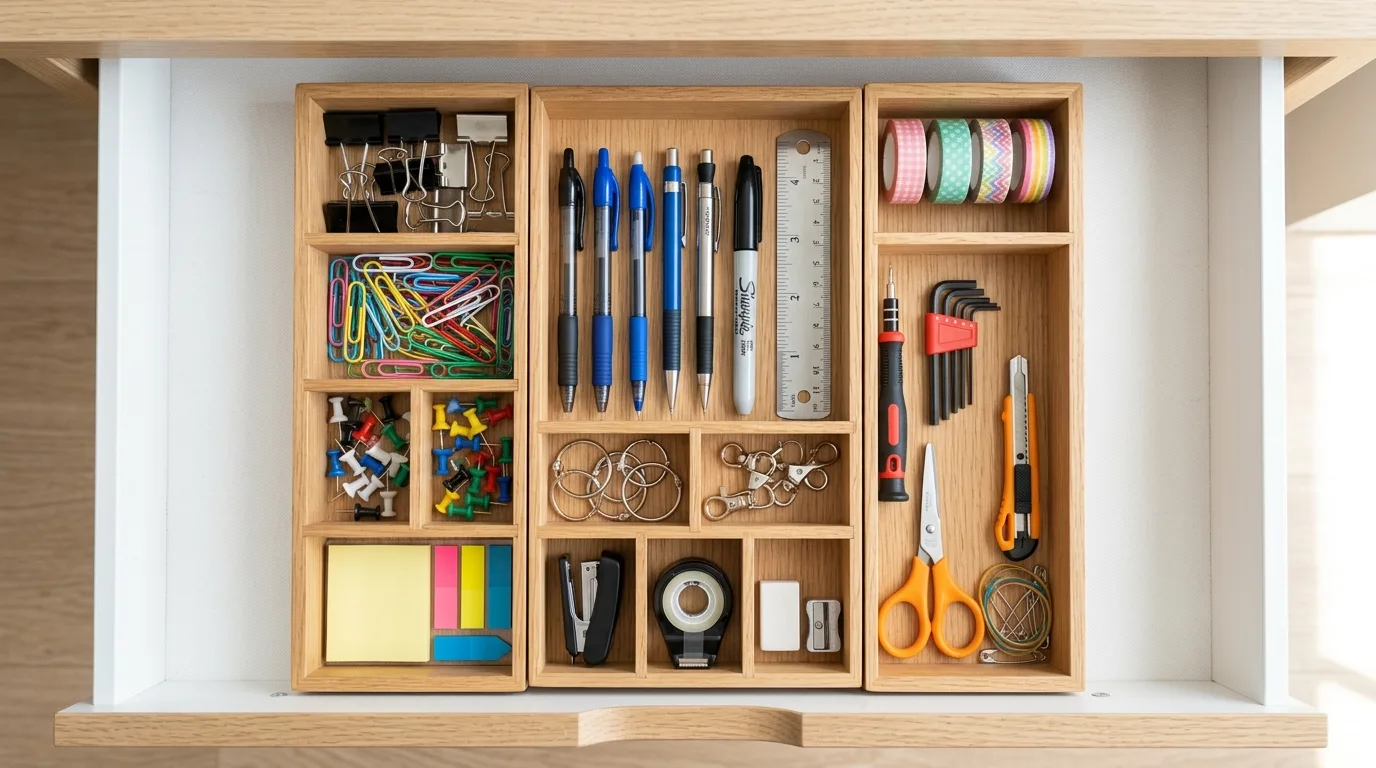
Check the entryway and drop zones
These high-traffic spots can quietly create stress when they collect piles of random daily items.
Styling tip: Focus on the goal is not emptiness, but a home that feels easier to use and maintain.
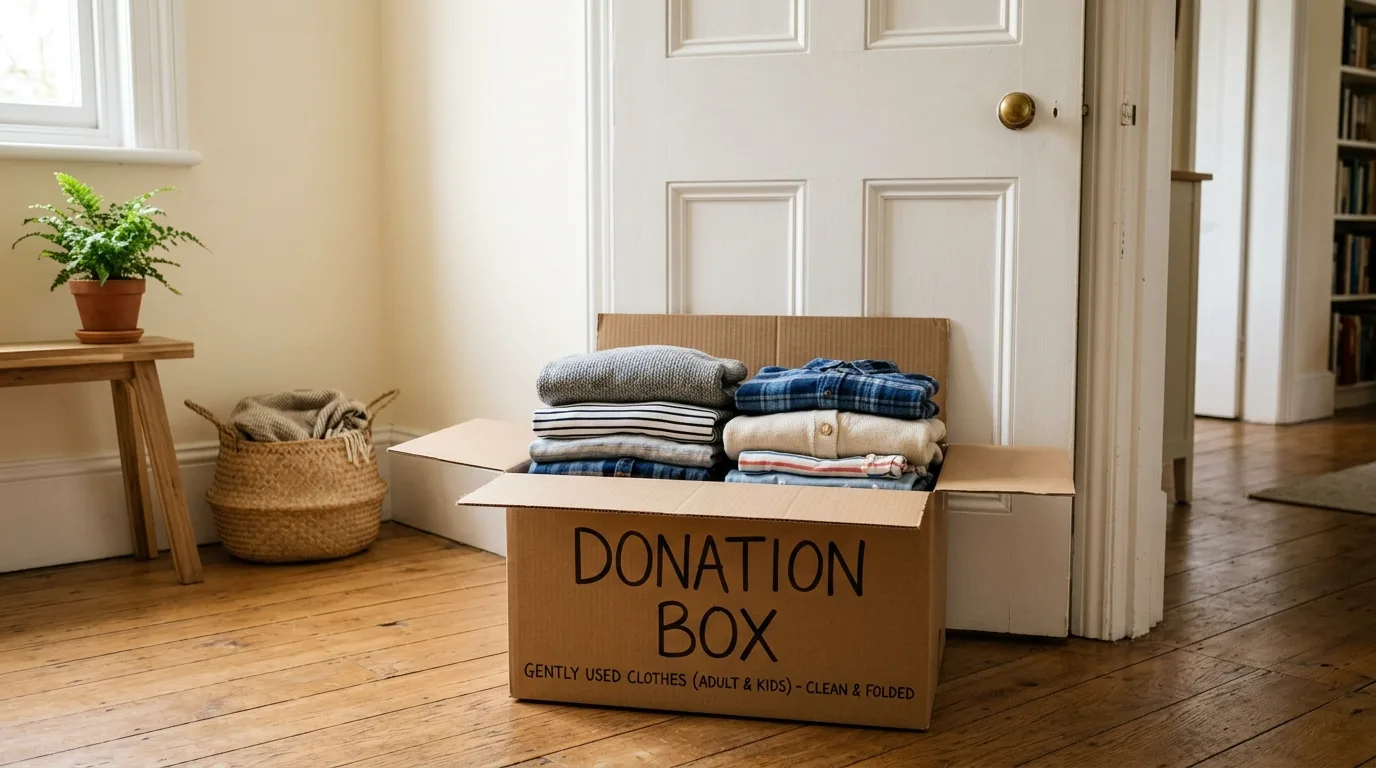
Simplify the closet visibly
Giving clothes room to breathe often makes daily routines easier and reduces the temptation to keep buying duplicates.
Styling tip: Focus on a checklist keeps decluttering from feeling emotionally vague.
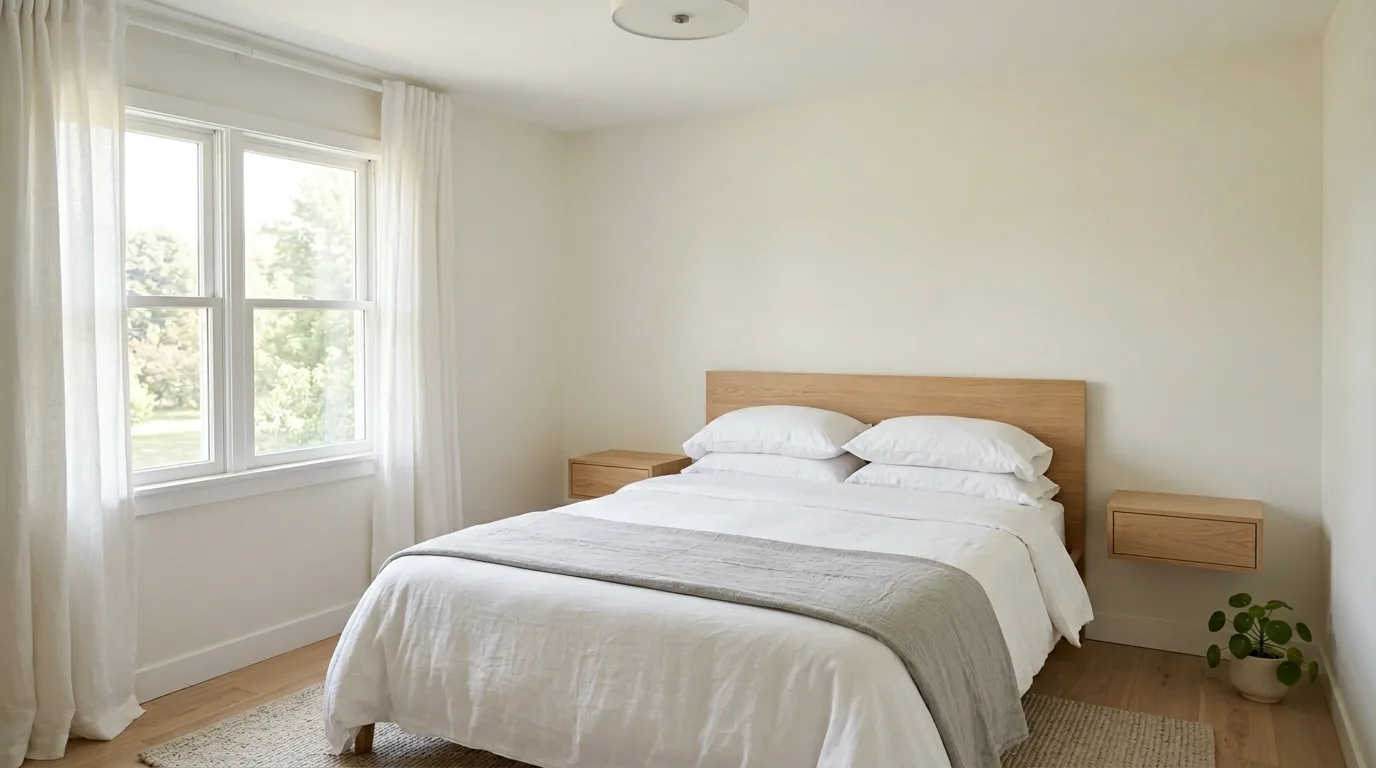
Edit the kitchen down to what you really use
Counters and cabinets feel much calmer when they hold practical essentials instead of every rarely used gadget.
Styling tip: Focus on small zones are usually easier to finish than whole rooms at once.
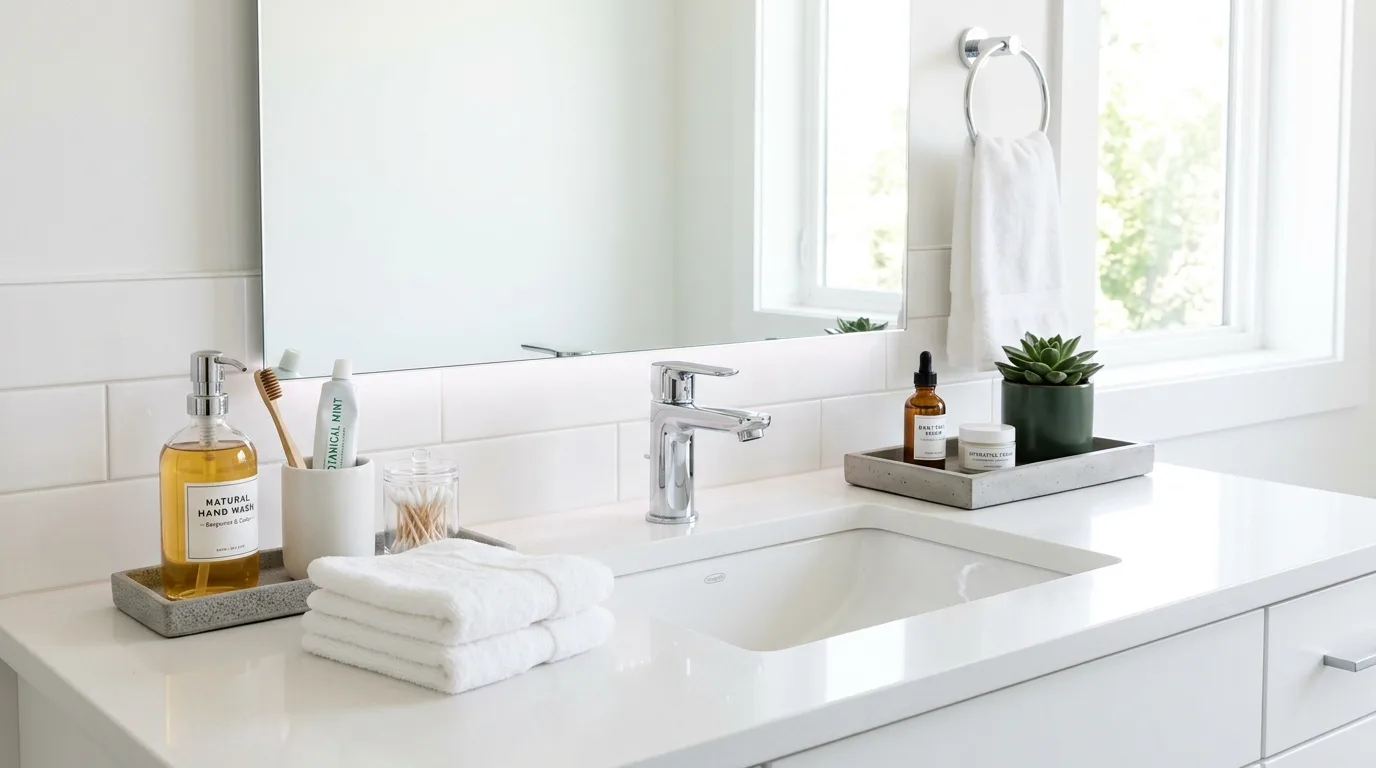
Tame paper before it multiplies
Bills, school notes, receipts, and random documents become far less stressful when they have one obvious system.
Styling tip: Focus on the goal is not emptiness, but a home that feels easier to use and maintain.
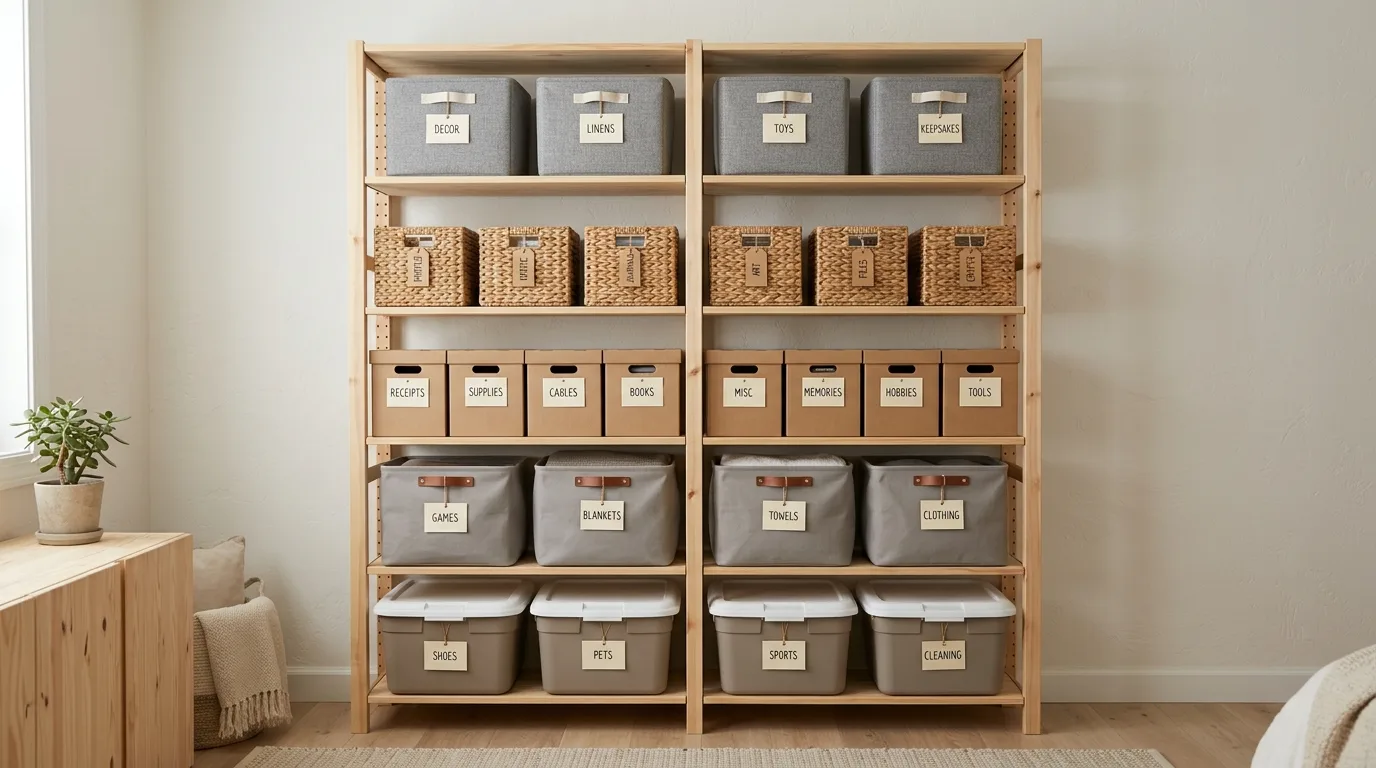
Use bathroom trays and containers
Decluttering tiny products becomes easier when the remaining items are grouped neatly and intentionally.
Styling tip: Keep the surface edited so the functional pieces still have room to look styled.
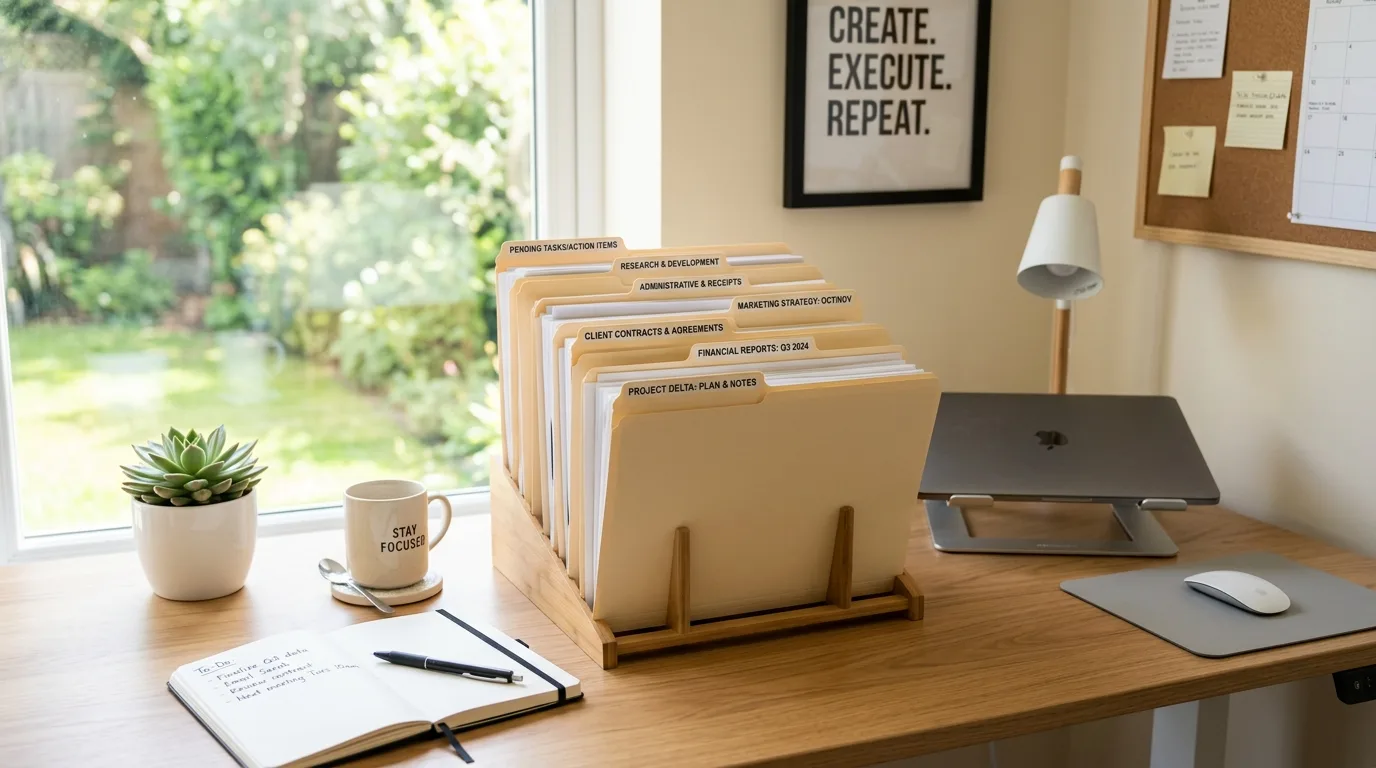
Do a quick pass on sentimental clutter
Not everything meaningful needs to stay out on display. Choose what matters most and store the rest respectfully.
Styling tip: Focus on small zones are usually easier to finish than whole rooms at once.
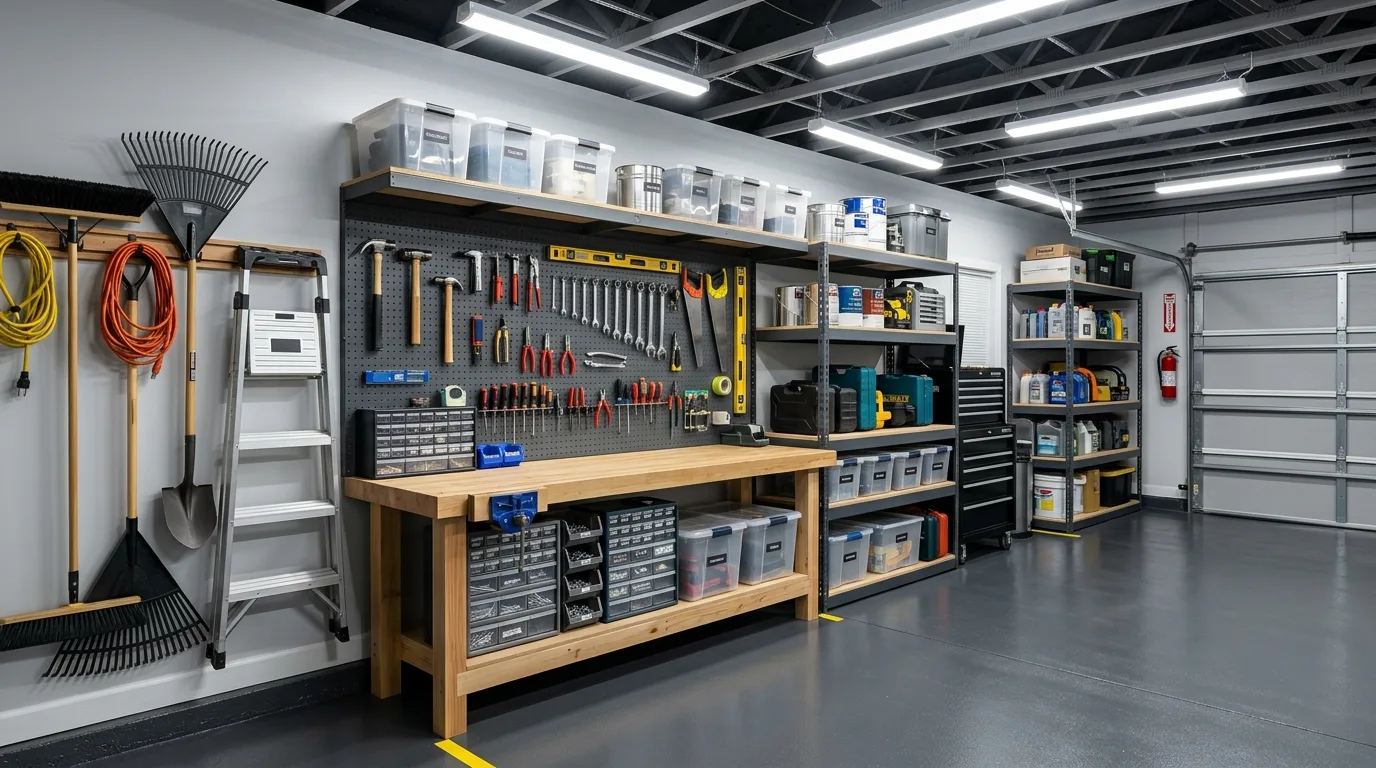
Create a realistic maintenance rhythm
A daily reset and occasional deeper pass usually work better than waiting for the home to feel unmanageable again.
Styling tip: Focus on the goal is not emptiness, but a home that feels easier to use and maintain.
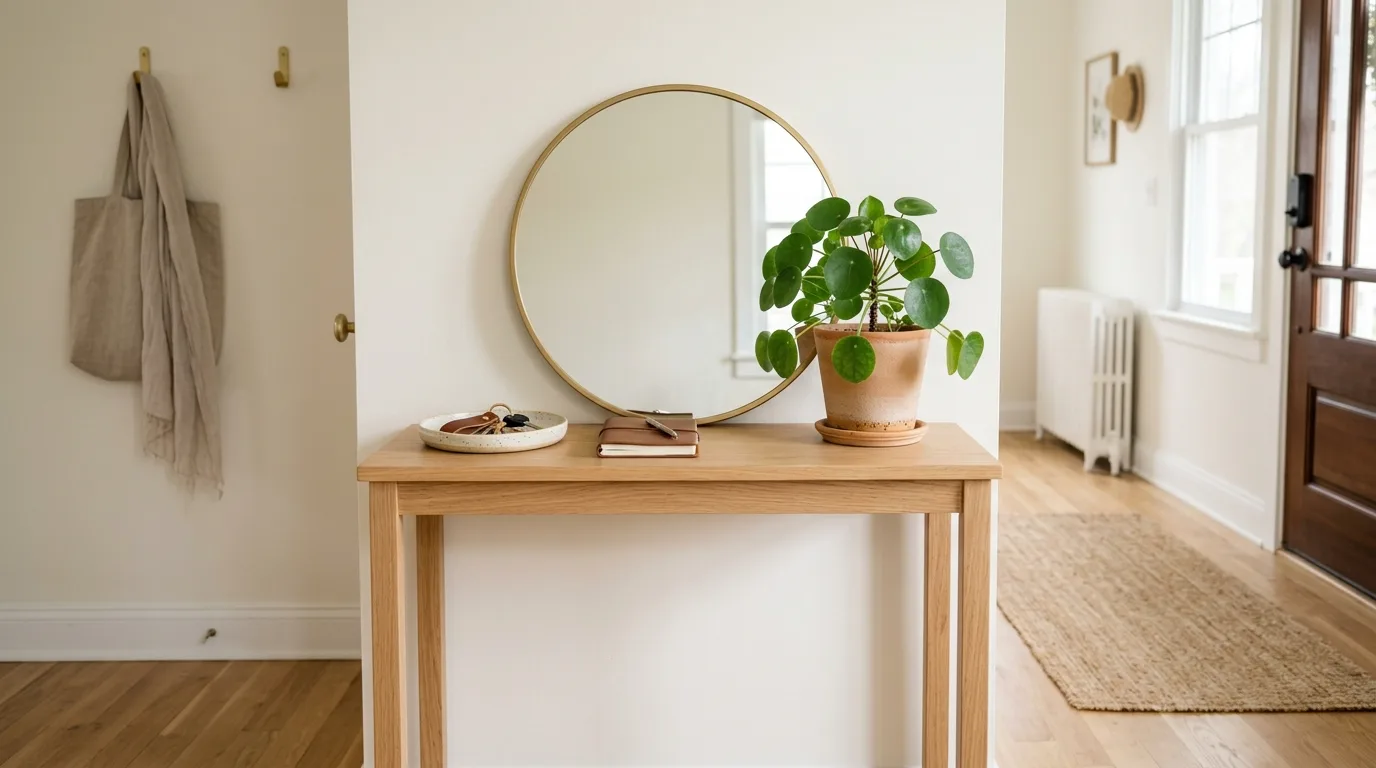
Keep a donation box active
An ongoing box makes it easier to let go of things gradually instead of building up a huge decision session.
Styling tip: Focus on a checklist keeps decluttering from feeling emotionally vague.
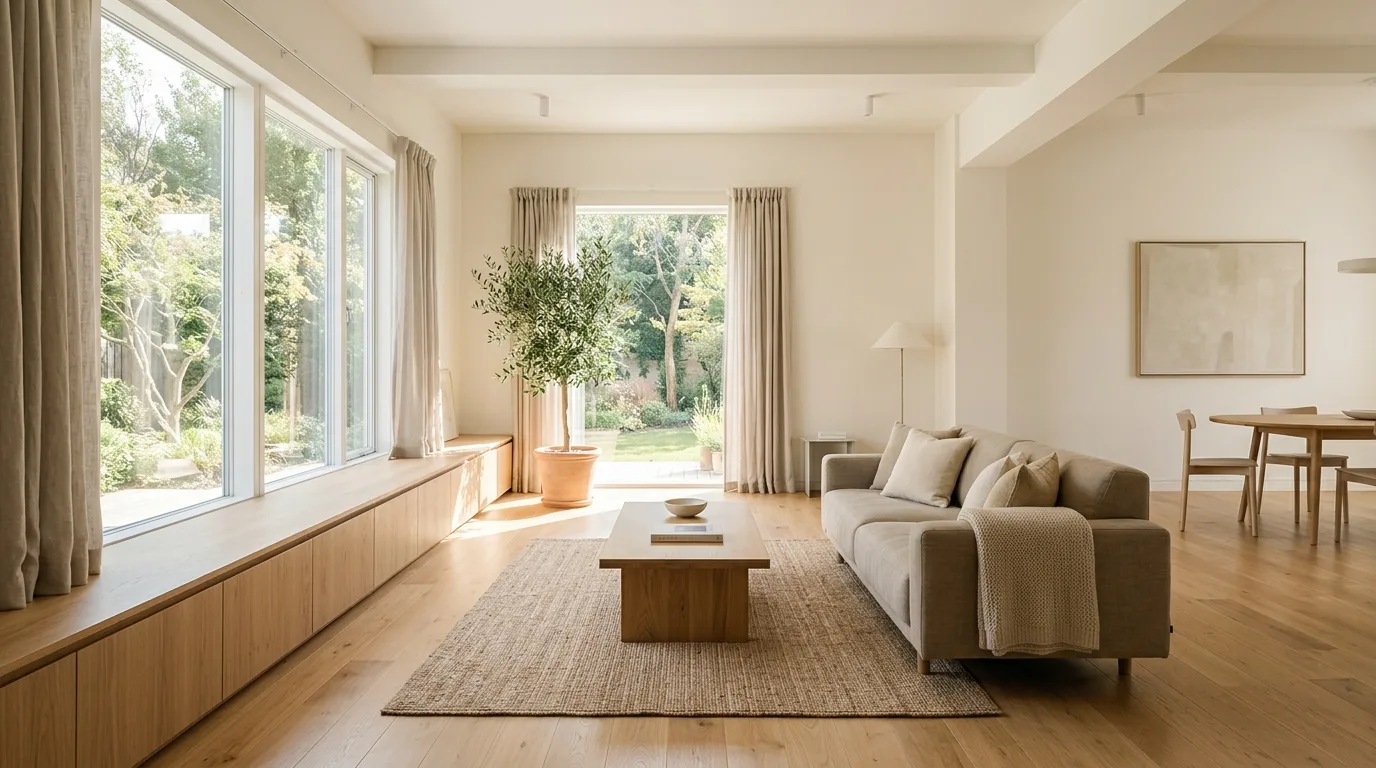
Focus on how the space feels to live in
A stress-free home is less about perfection and more about creating rooms that support ease, clarity, and routine.
Styling tip: Focus on small zones are usually easier to finish than whole rooms at once.
Final Takeaway
Decluttering feels easier when it stops being one huge vague goal and becomes a set of smaller repeatable actions. Start with a checklist keeps decluttering from feeling emotionally vague, then build around the pieces that make the space feel easier to use and nicer to look at every day.