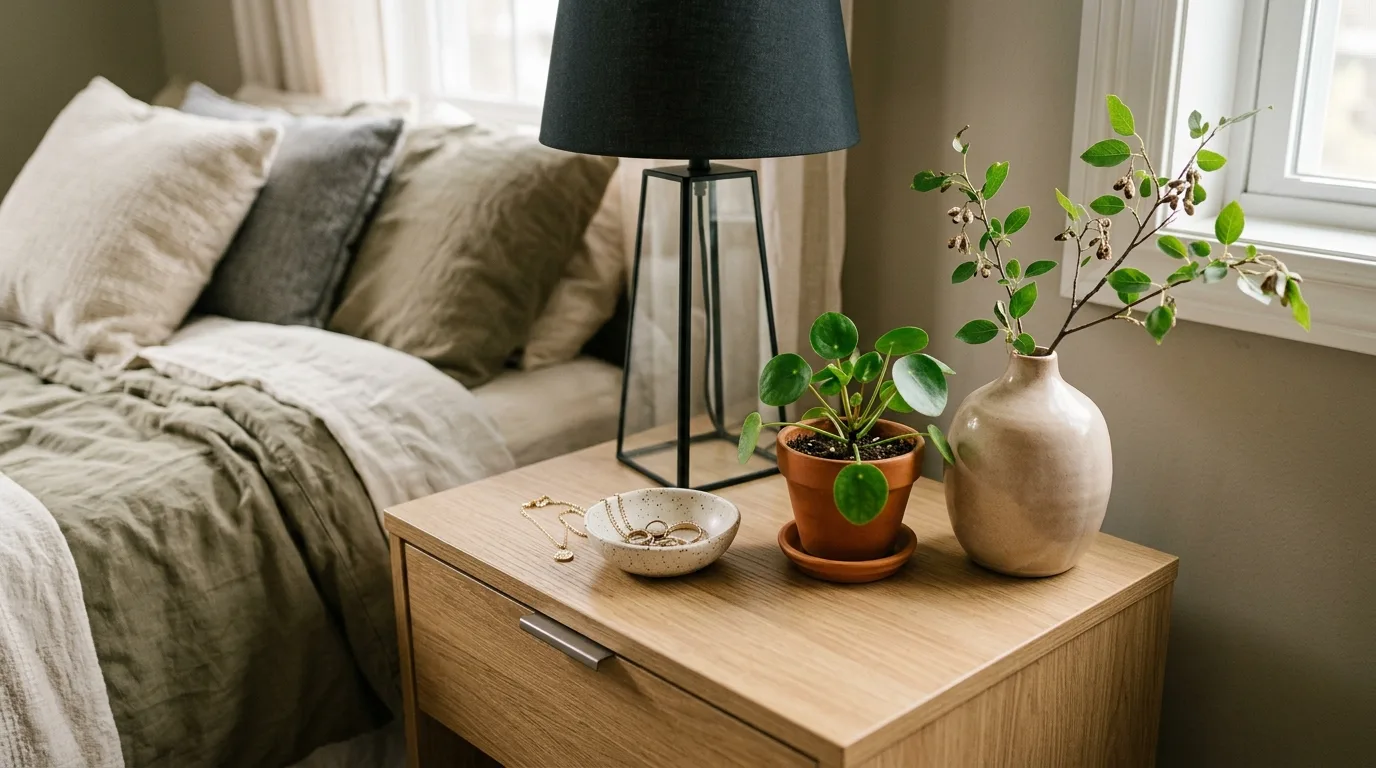
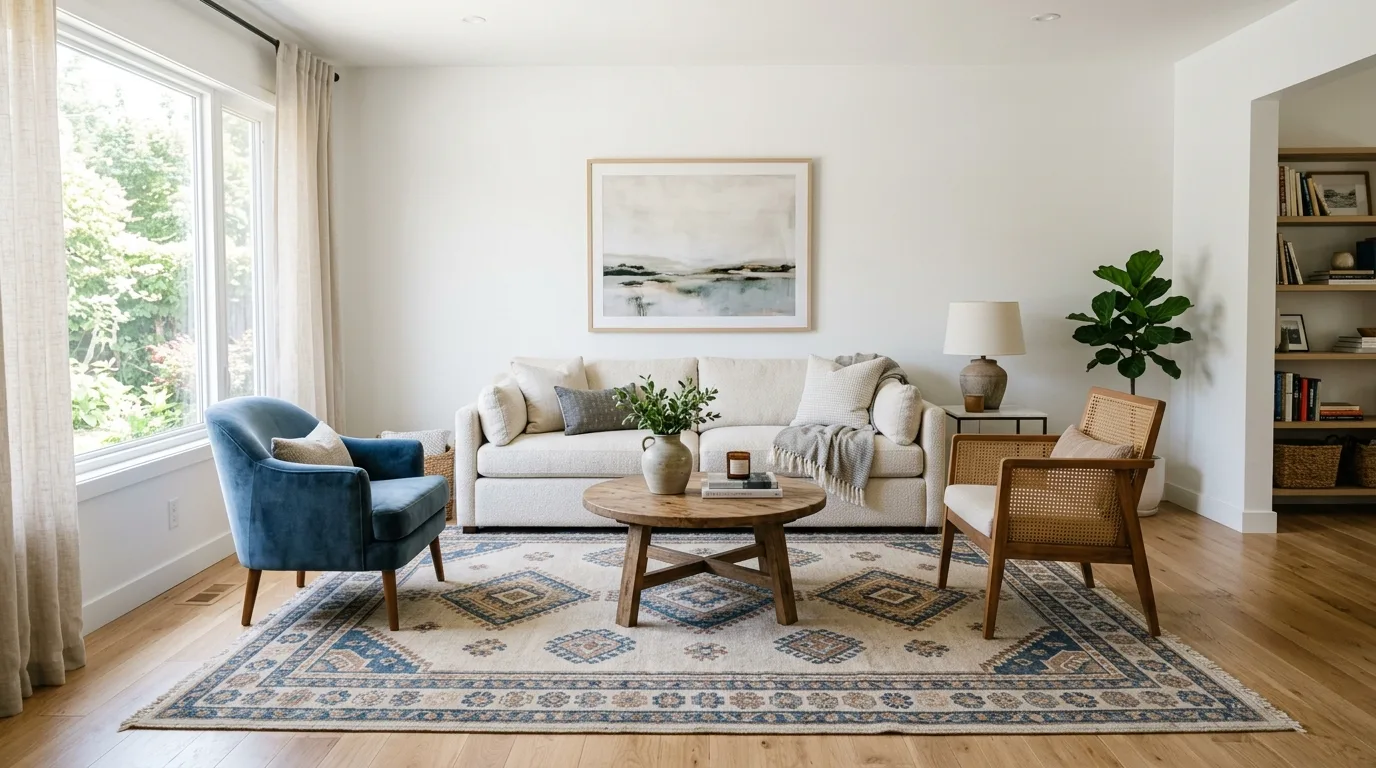
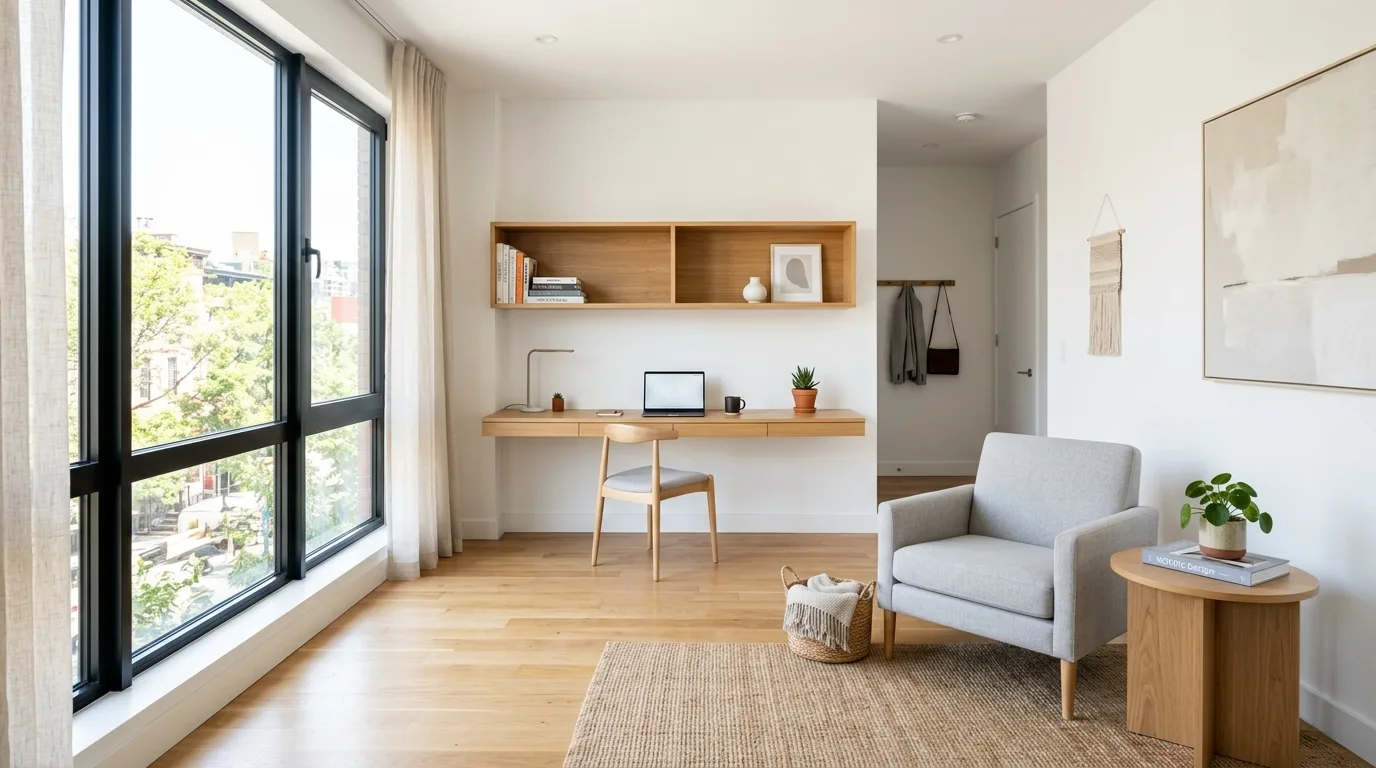
Wall art changes a room quickly because it affects what the eye lands on first. DIY art can make that effect even stronger by turning your own memories, materials, and style preferences into something that feels genuinely personal instead of store-bought.
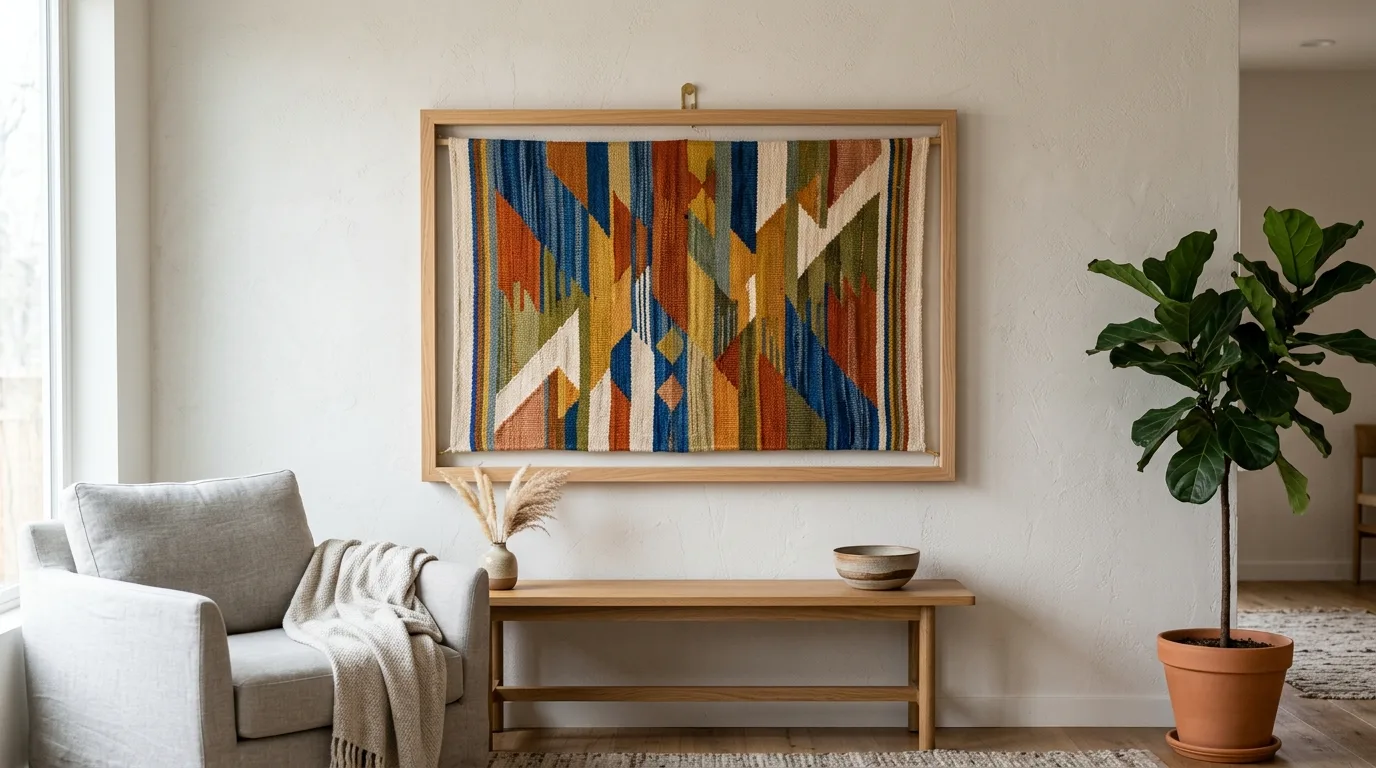
Frame fabric for instant color and pattern
Fabric stretched or framed like art can create a modern, textured statement with very little effort. It is an easy way to bring pattern onto a wall.
Styling tip: Repeat the main color in a few places so the look feels connected instead of random.
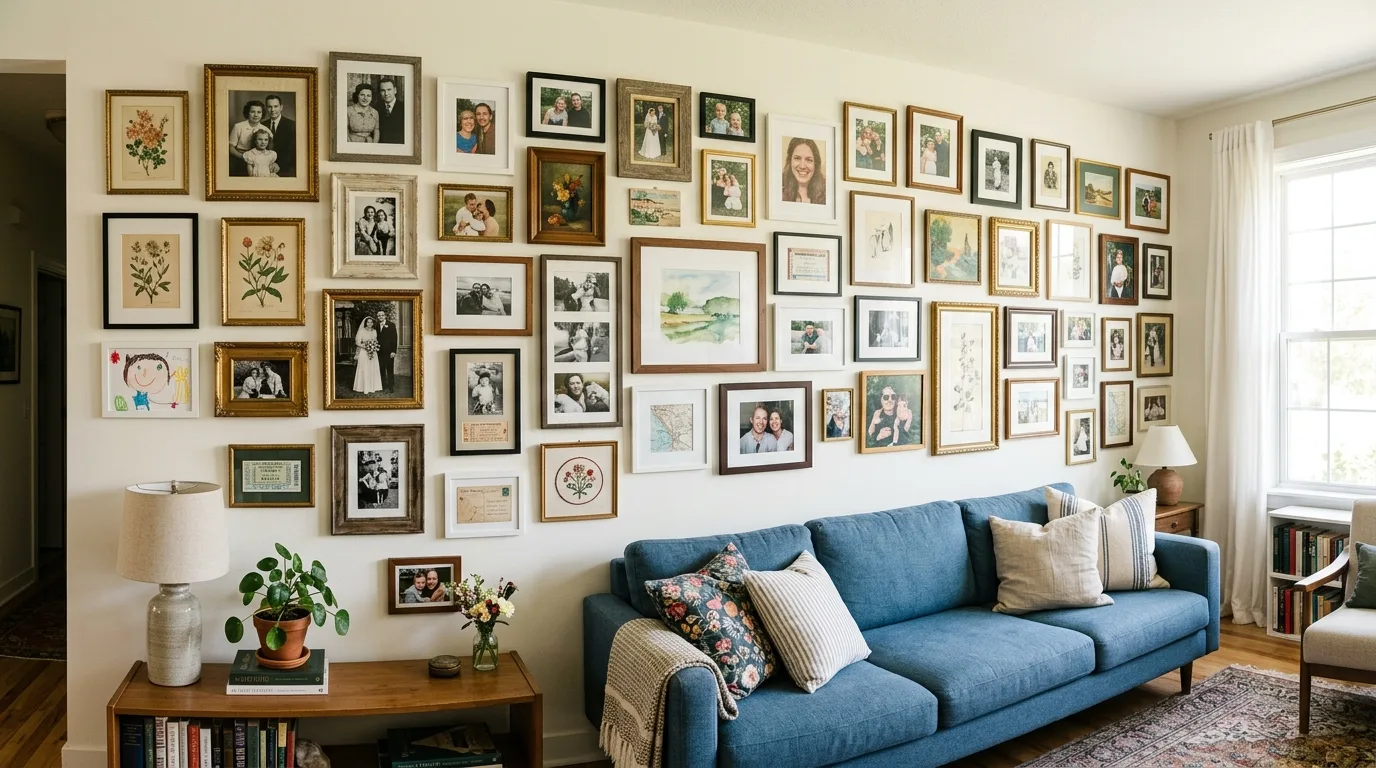
Build a gallery wall from meaningful pieces
Photos, old art, mementos, and different frame styles can create a wall that feels layered and deeply personal. Gallery walls work best when they tell a story.
Styling tip: Give the wall feature enough blank space around it so it can read as a focal point.
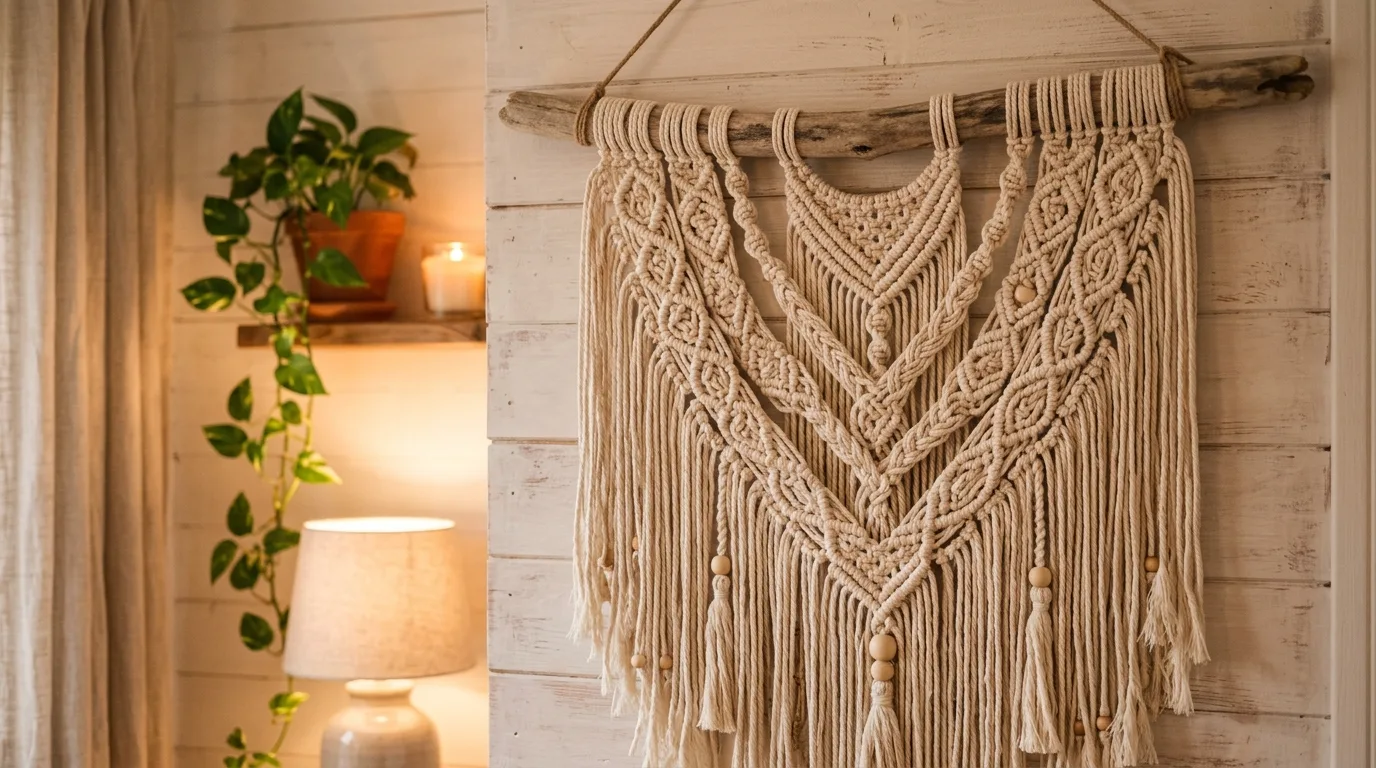
Hang macrame for softness
Textile wall hangings add warmth, movement, and a handmade touch that framed pieces cannot. They are especially good in bedrooms and more relaxed living spaces.
Styling tip: Layer one or two soft textures instead of adding too many decorative extras.
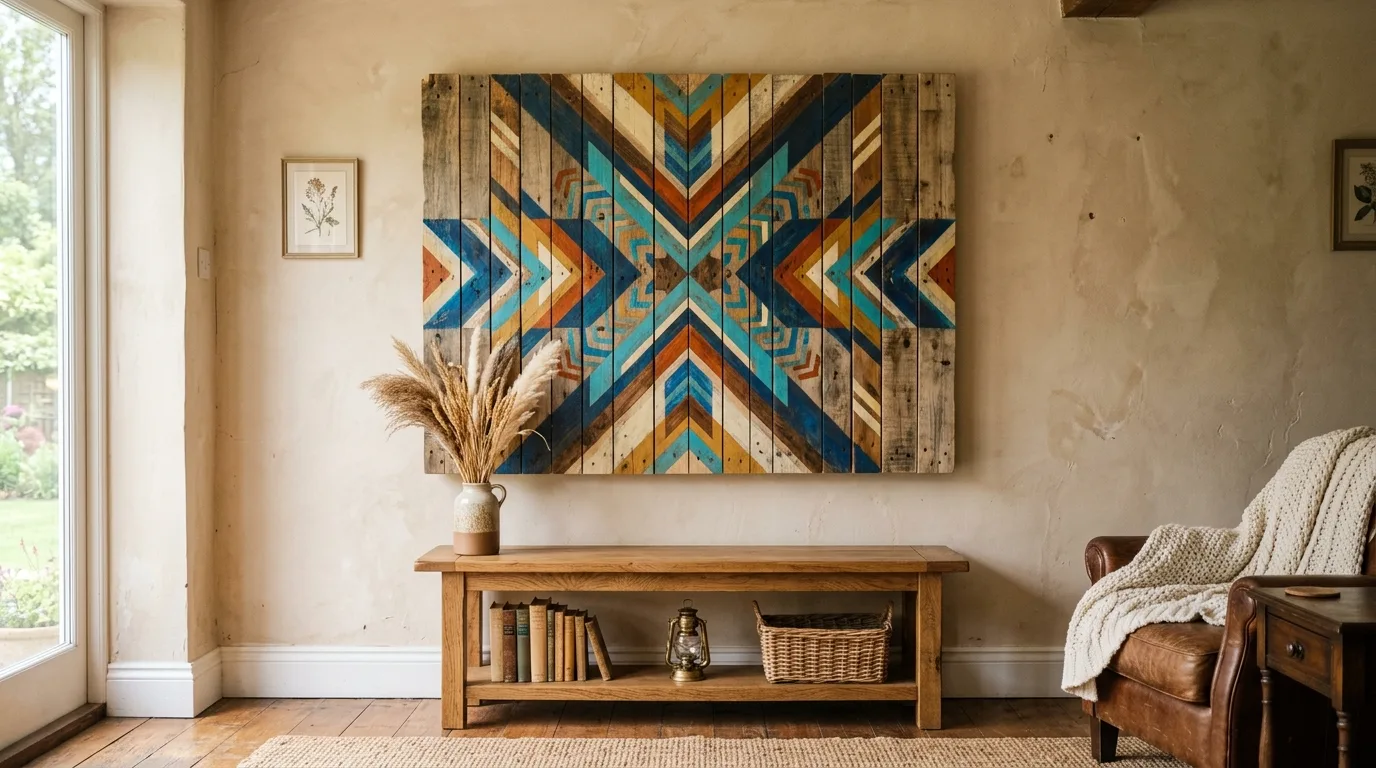
Use painted pallet or wood art for rustic style
Reclaimed wood pieces can become graphic art, signage, or abstract panels while bringing texture to the wall. This is a strong option for farmhouse or rustic rooms.
Styling tip: Repeat the main color in a few places so the look feels connected instead of random.
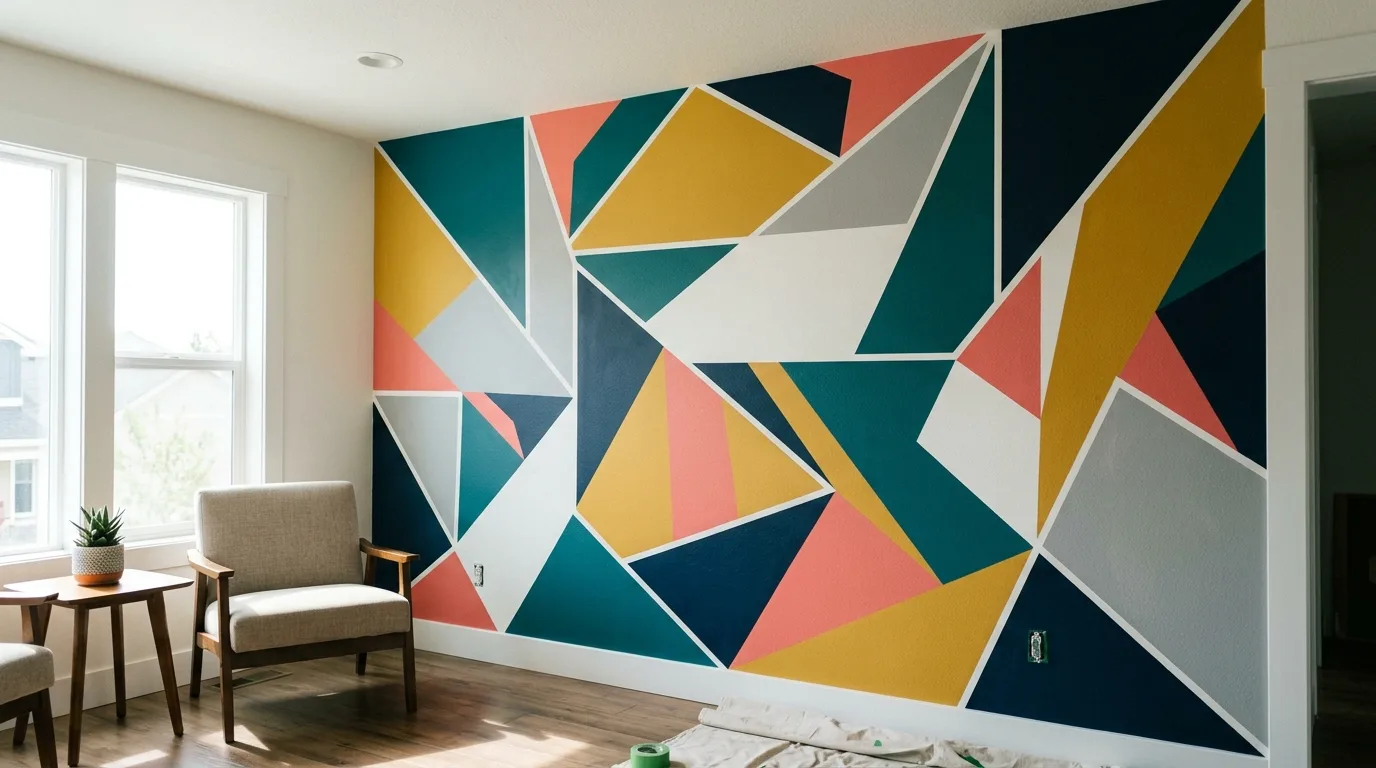
Try geometric painted wall art
Clean lines made with painter's tape can create modern art that feels bold but still approachable. A few strong shapes are often enough.
Styling tip: Repeat the main color in a few places so the look feels connected instead of random.
Make a personalized name or word sign
A wooden name sign or favorite word can make a room feel more specific and more connected to the people who live there. It works beautifully in entryways or family spaces.
Styling tip: Repeat the same natural material in a few spots to make the room feel more intentional.
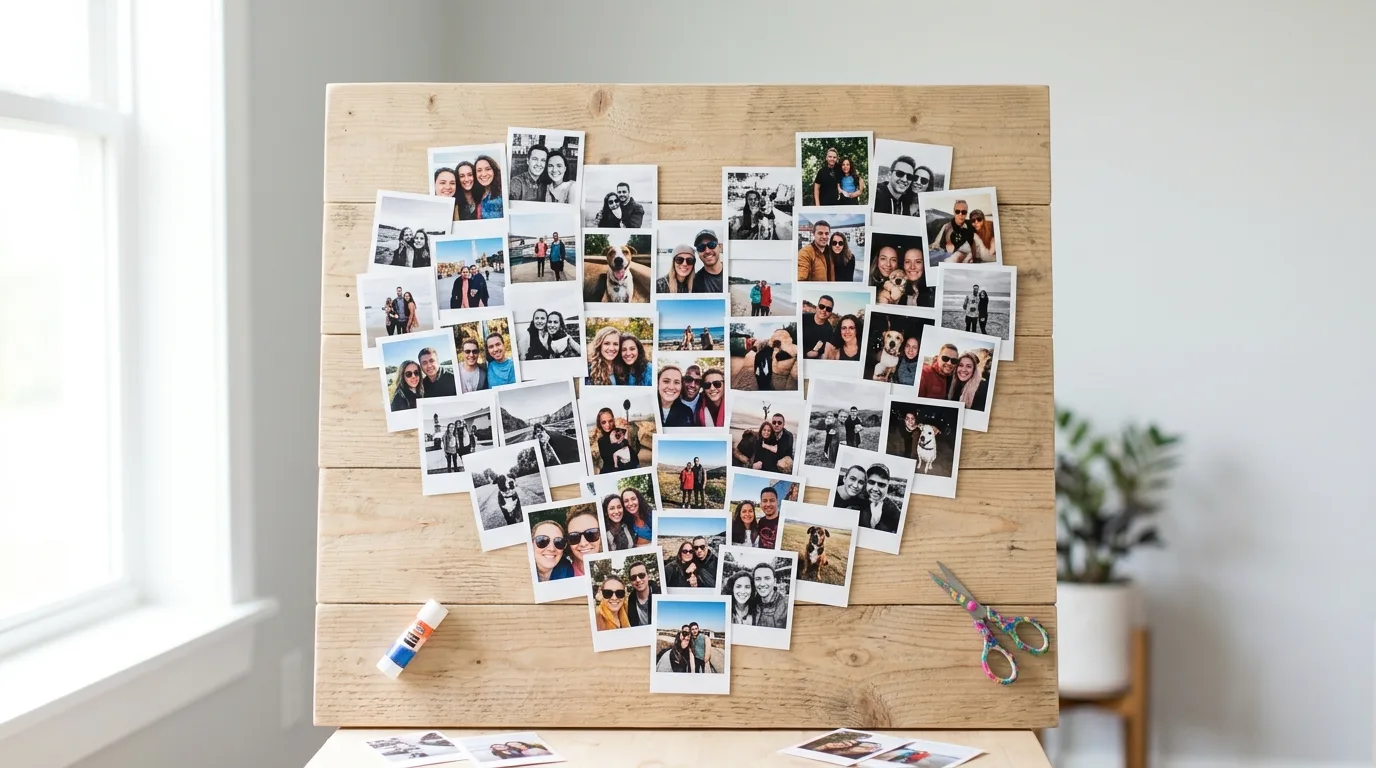
Create a photo collage in a meaningful shape
Photos arranged into a heart, tree, or other shape make memories feel more intentional on the wall. This kind of project is emotional as well as decorative.
Styling tip: Give the wall feature enough blank space around it so it can read as a focal point.
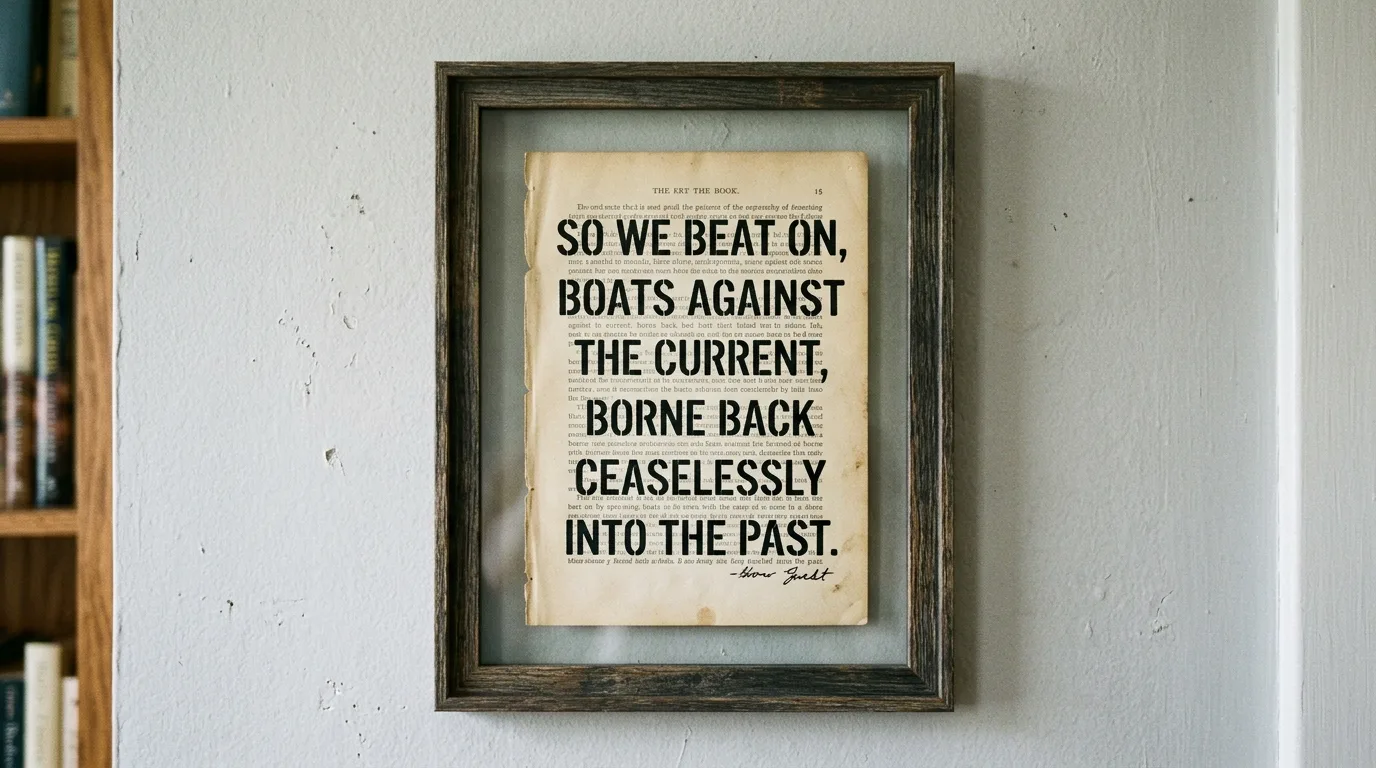
Use old book pages for literary art
Book page art can create texture, meaning, and a more vintage-inspired feel. It is especially good if you want the wall art to feel a little more thoughtful or nostalgic.
Styling tip: Give the wall feature enough blank space around it so it can read as a focal point.
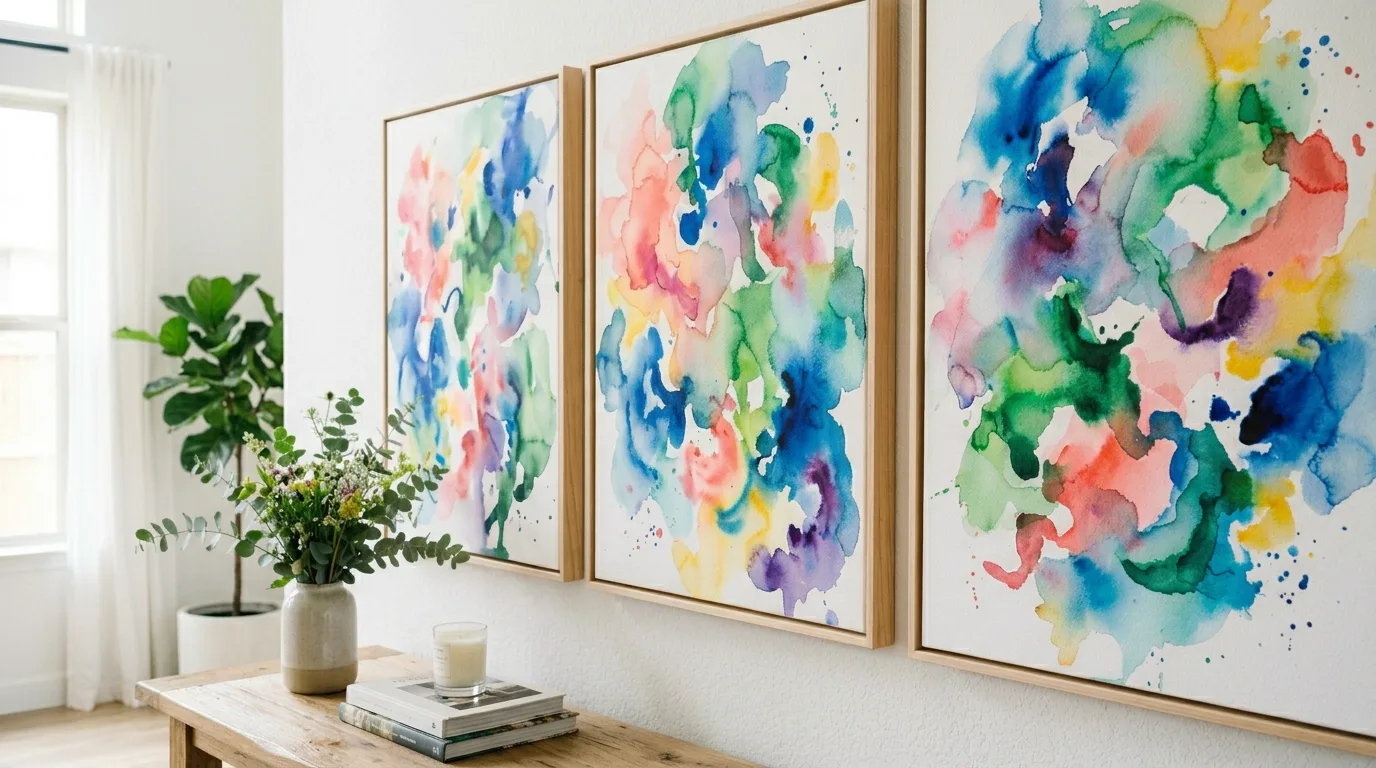
Paint loose watercolor abstracts
Watercolor art adds softness and color without feeling too heavy. It is a nice fit when you want something airy and handmade.
Styling tip: Repeat the main color in a few places so the look feels connected instead of random.
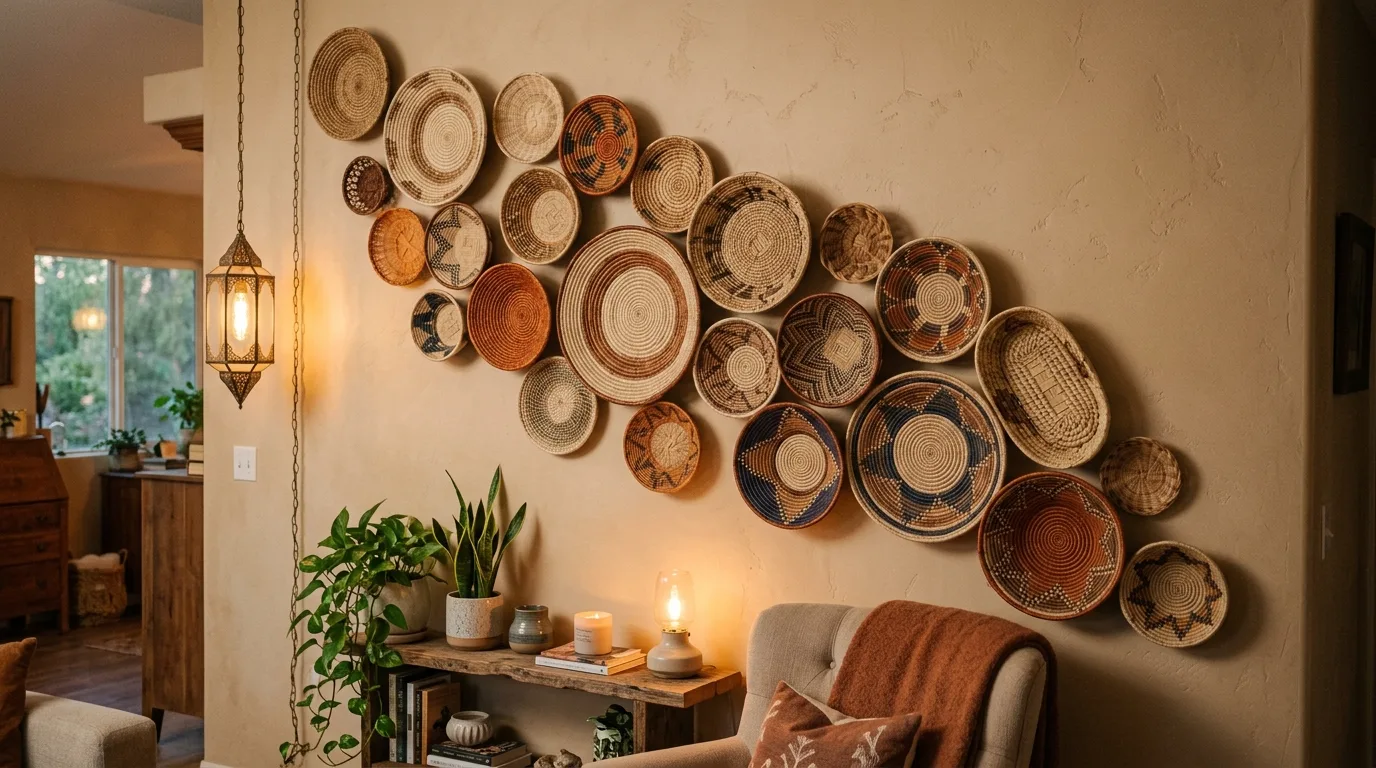
Arrange woven baskets as a wall feature
Baskets add both texture and dimension to a wall while keeping the look casual and collected. This is one of the easiest ways to create a more layered display.
Styling tip: Use one contained storage zone so the room stays easier to maintain day to day.
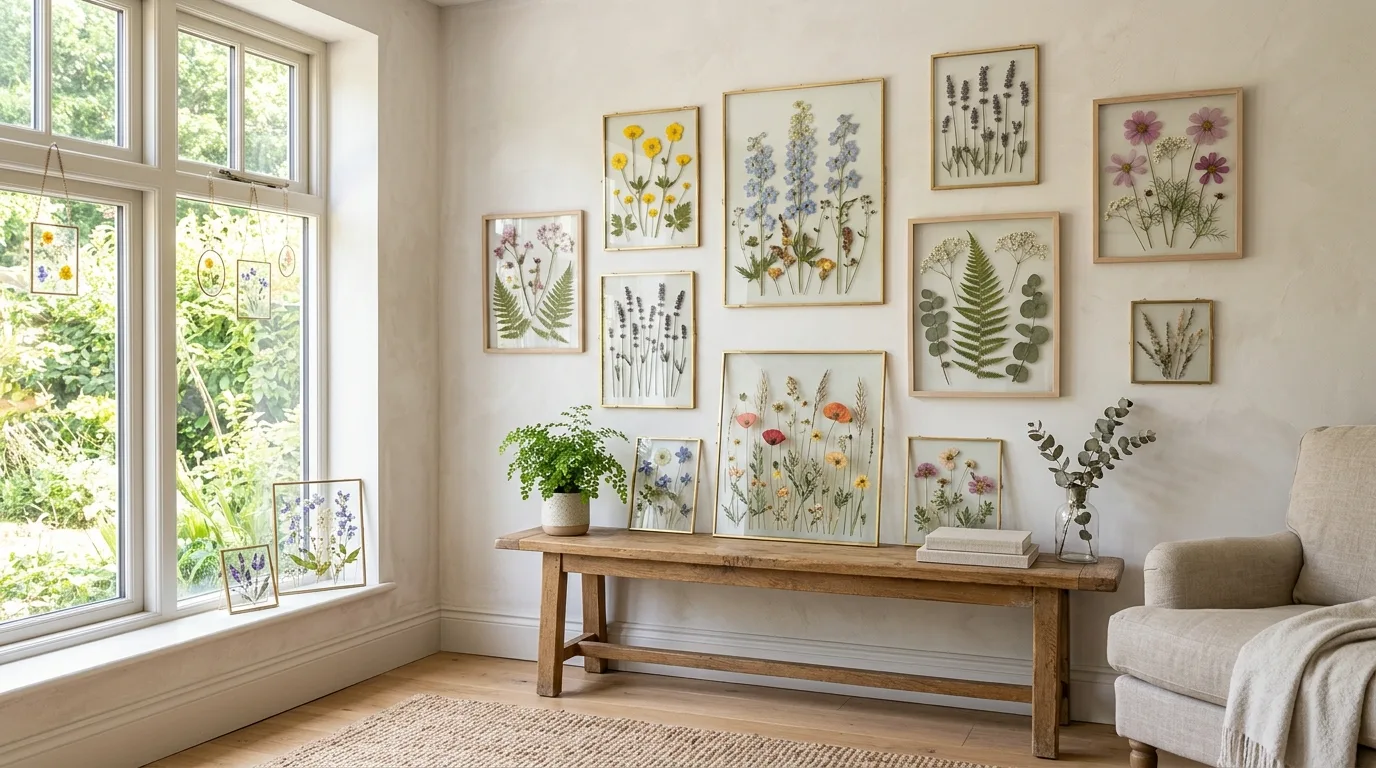
Frame pressed flowers for natural beauty
Pressed botanical art feels calm, delicate, and personal. It works beautifully in bedrooms, bathrooms, and other lighter spaces.
Styling tip: Keep the lighting warm and soft so the setup feels inviting instead of harsh.
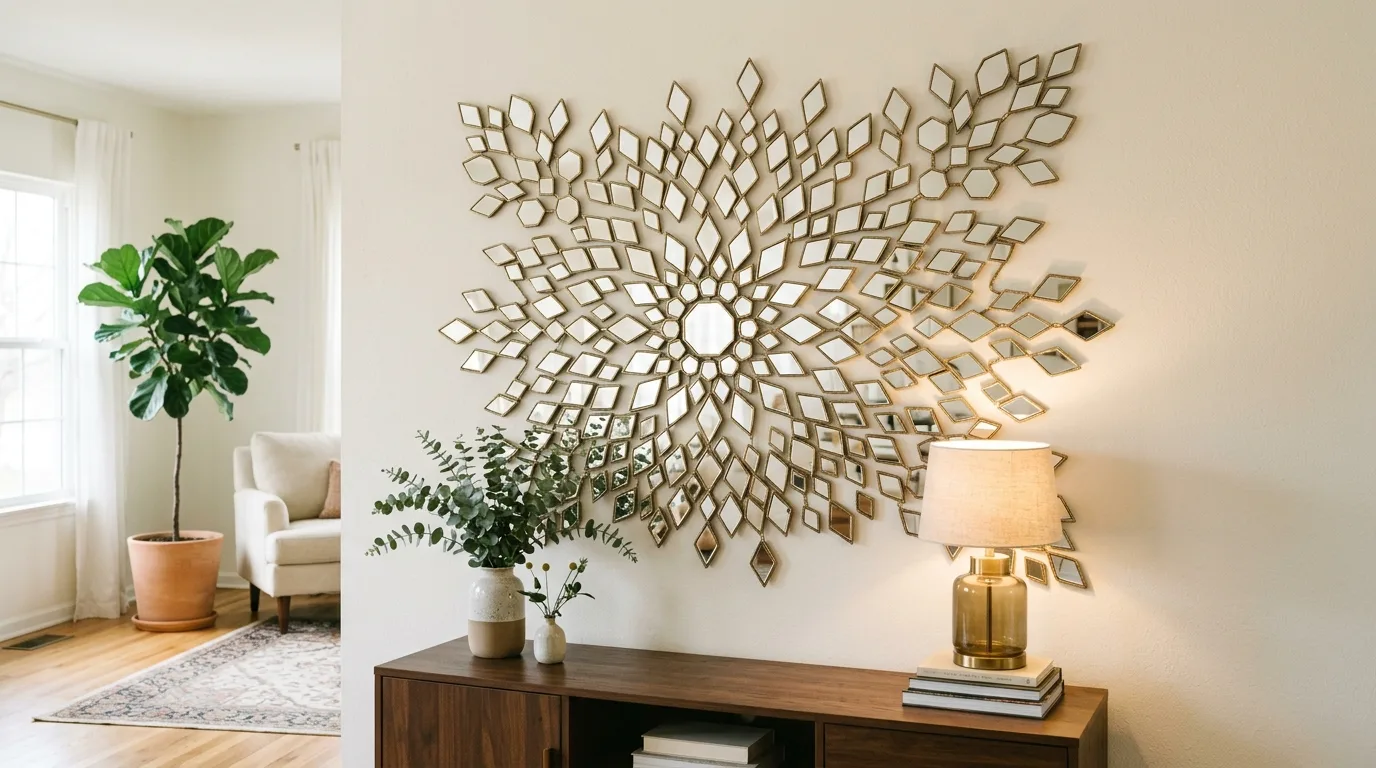
Use multiple mirrors as wall art
Small mirrors arranged in a pattern can brighten the room while also acting as a decorative installation. This is especially useful when you want both style and reflected light.
Styling tip: Keep the lighting warm and soft so the setup feels inviting instead of harsh.
Final Takeaway
Wall art changes a room quickly because it affects what the eye lands on first. Start with wall art projects that reflect your own style rather than chasing trends, then build around the pieces that make the space feel easier to use and nicer to look at every day.