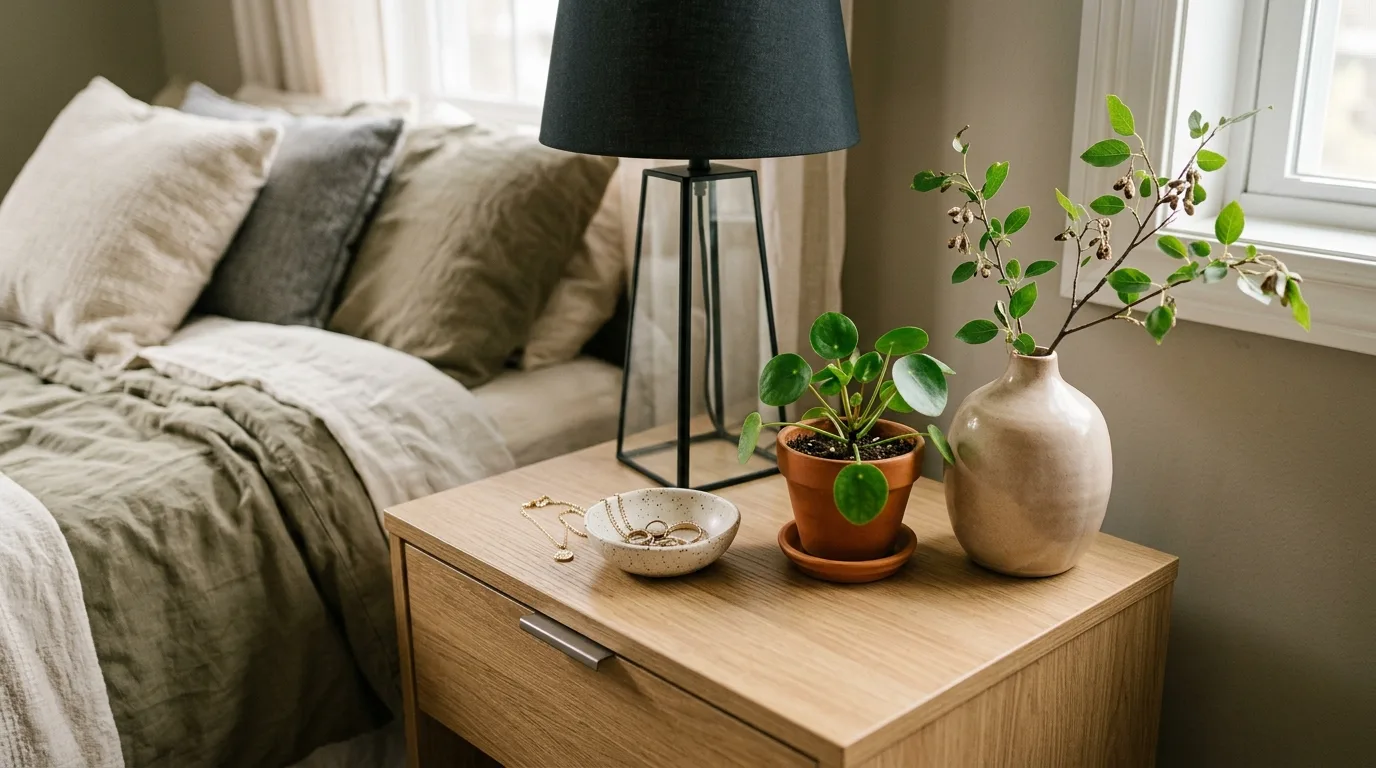
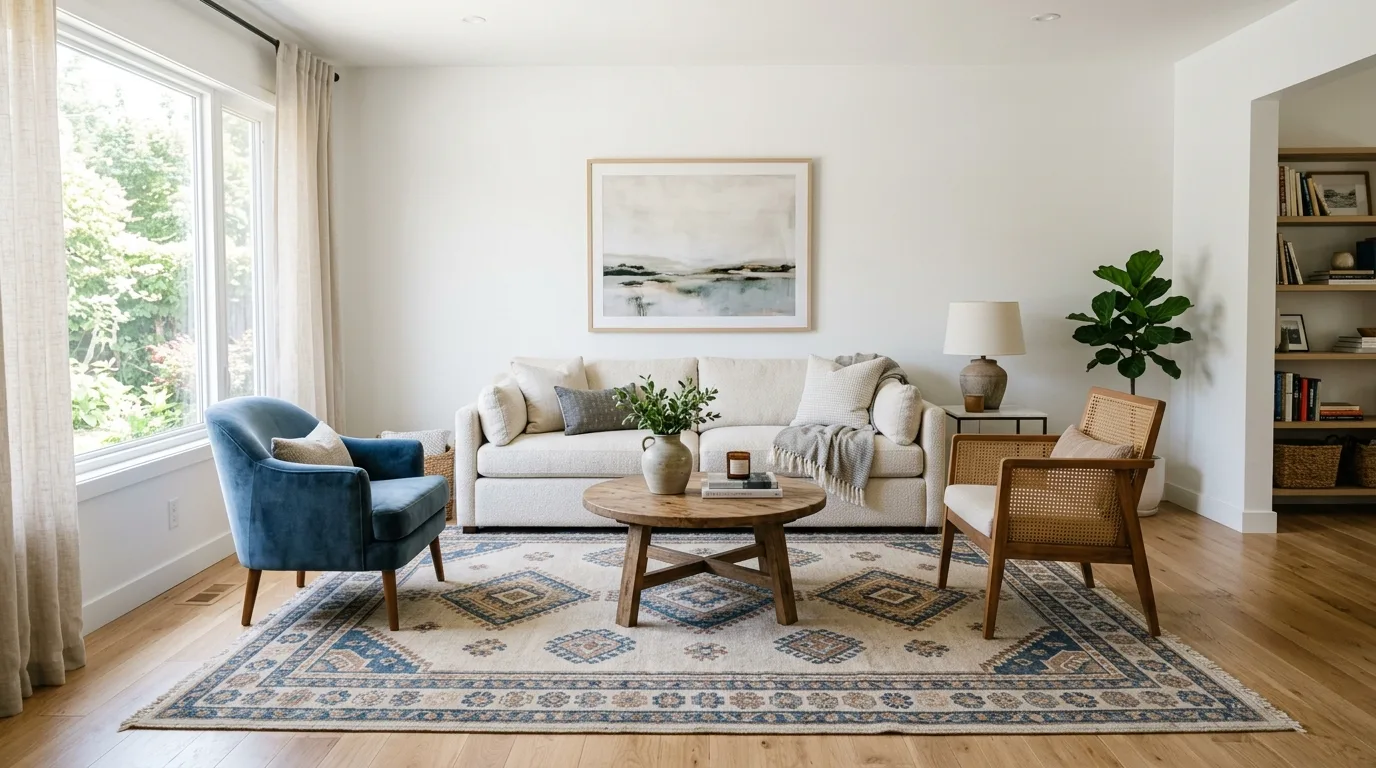
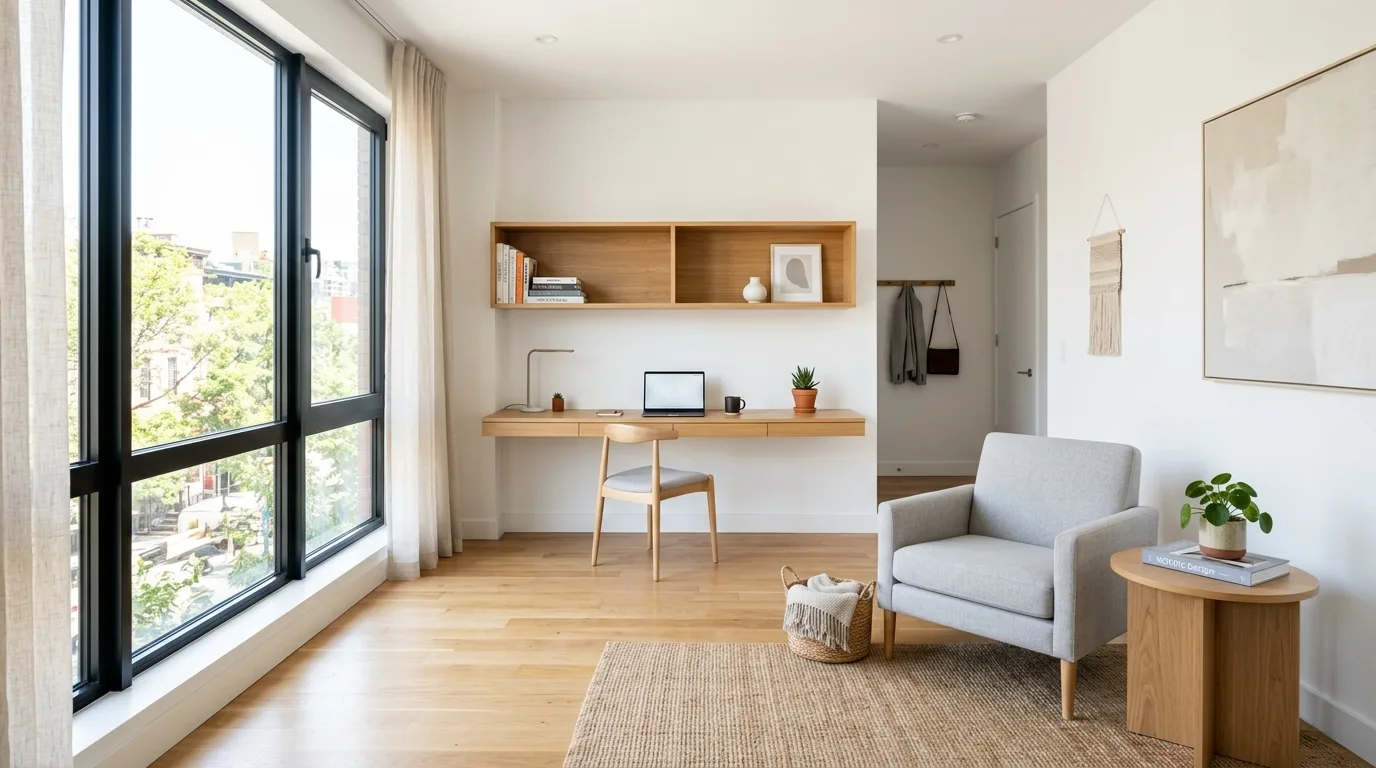
A small bedroom can feel much bigger when the eye moves through it more easily. That usually comes from light, consistency, cleaner sightlines, and furniture choices that create more visible space rather than blocking it.
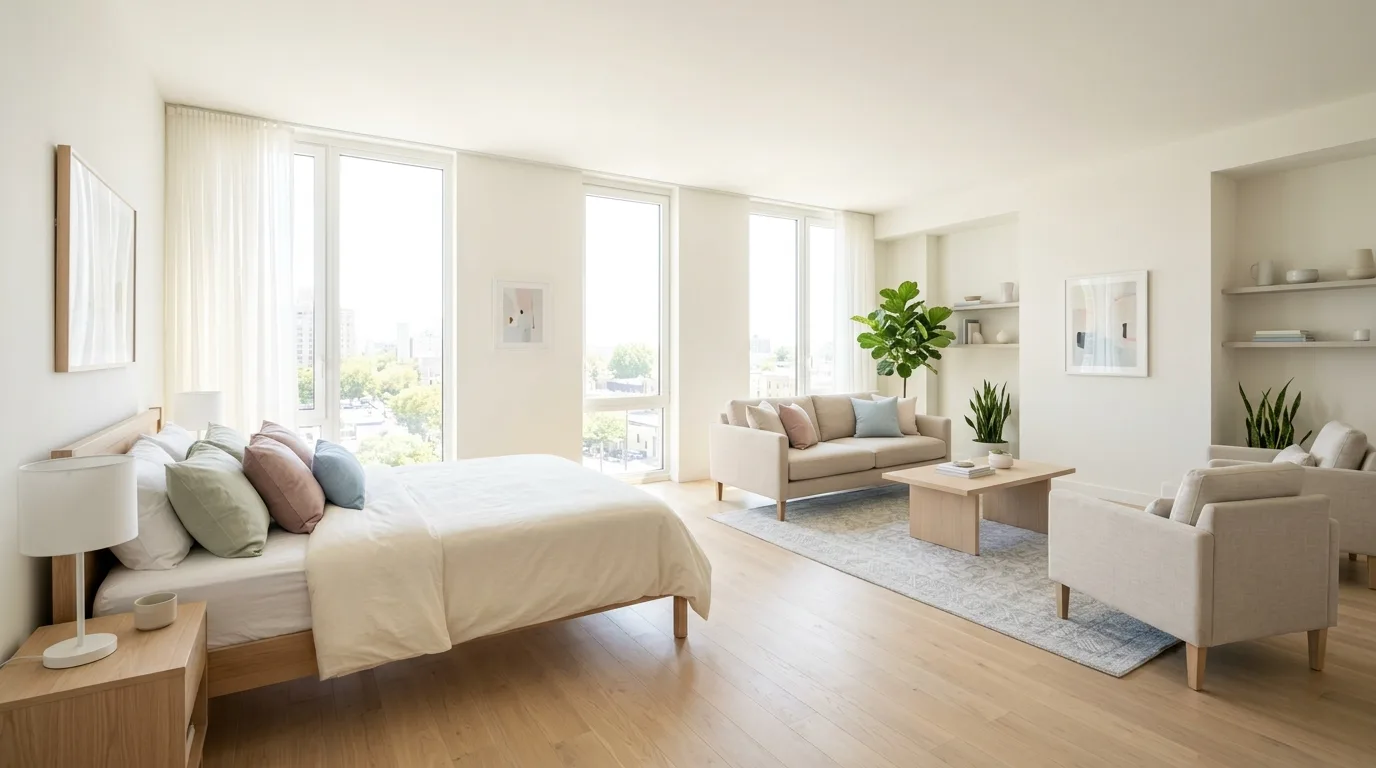
Lighten the walls and bedding
White, soft neutral, or pale pastel tones help small bedrooms reflect more light and feel more expansive. This is one of the strongest visual tricks you can use.
Styling tip: Keep the lighting warm and soft so the setup feels inviting instead of harsh.
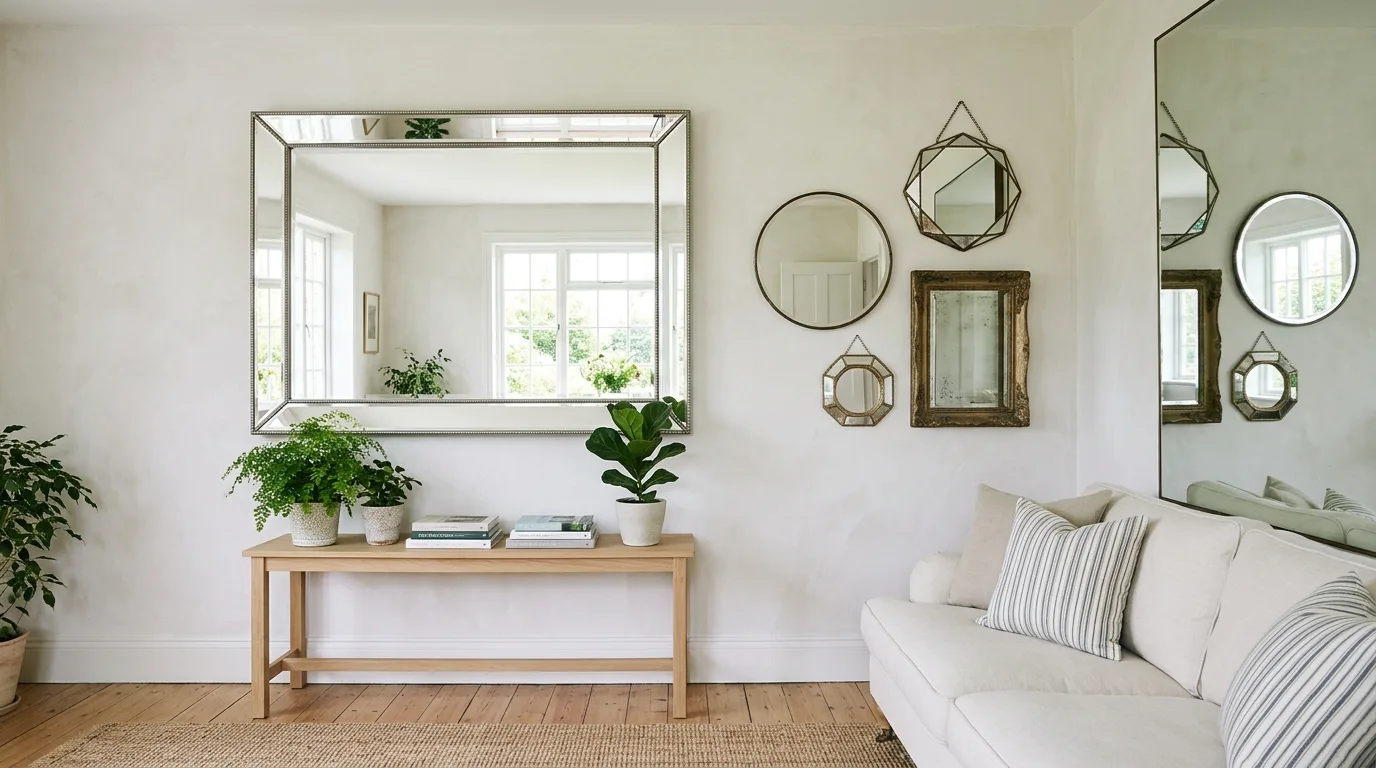
Add mirrors to bounce light
A mirror can make the room feel deeper and brighter at the same time, especially if placed across from a window or another light source.
Styling tip: Keep the lighting warm and soft so the setup feels inviting instead of harsh.
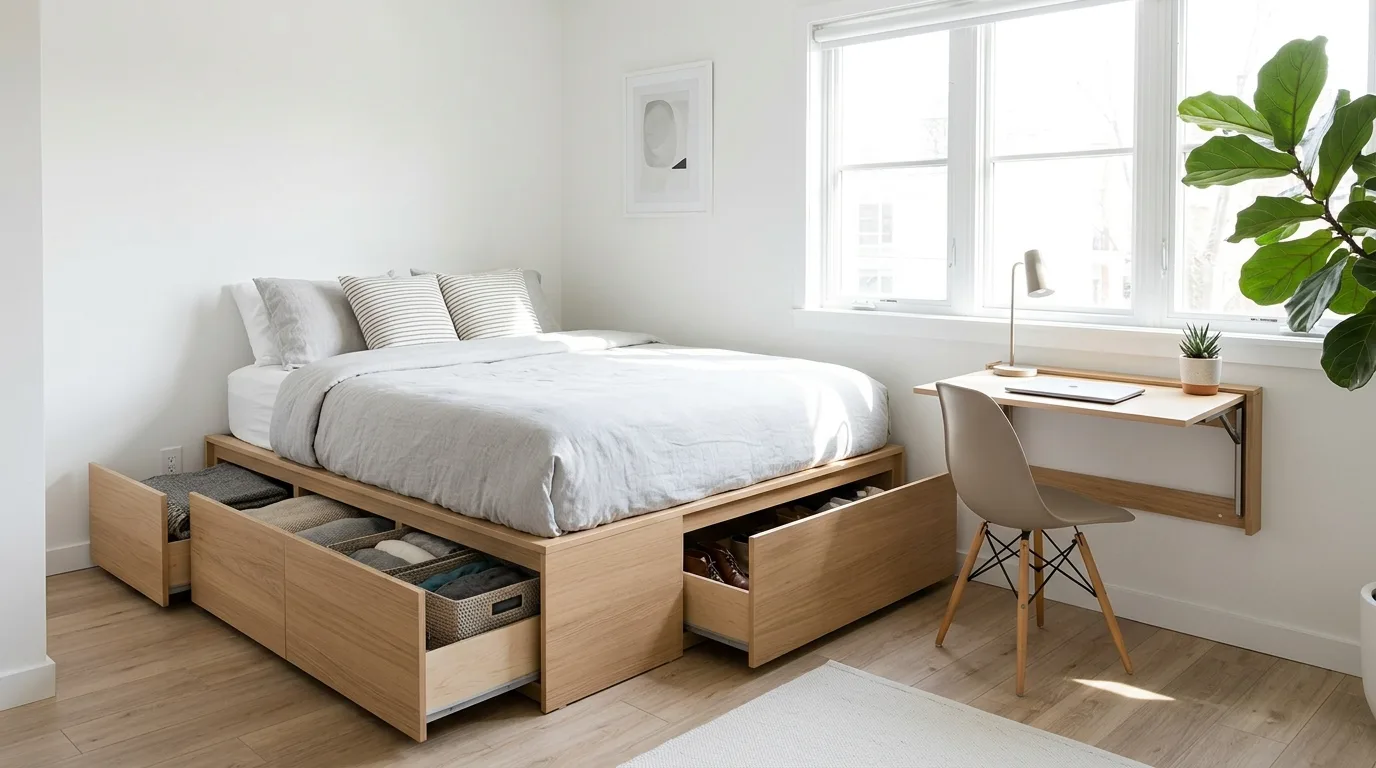
Choose furniture that multitasks
Beds with storage, fold-out desks, or pieces that serve more than one purpose reduce the total furniture count and help the room feel less crowded.
Styling tip: Use one contained storage zone so the room stays easier to maintain day to day.
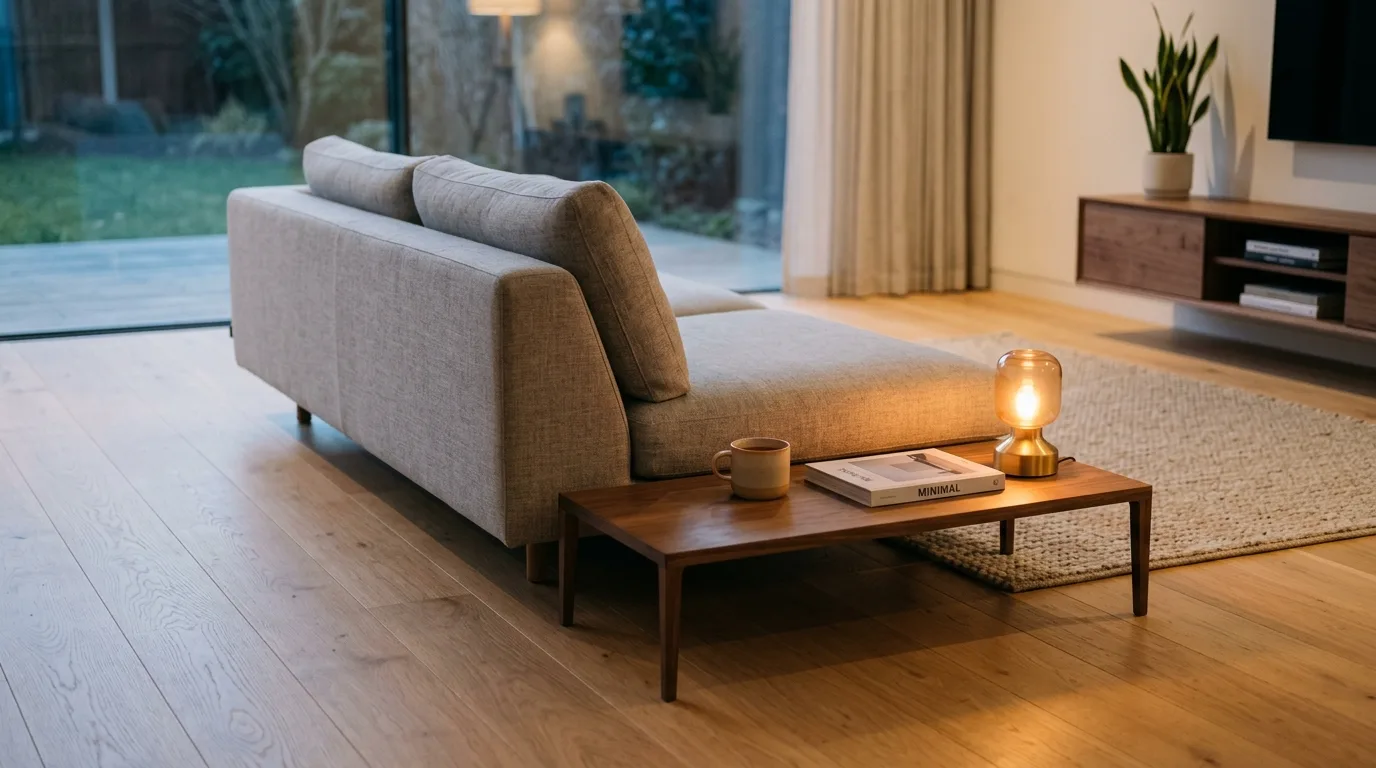
Keep the furniture lower and slimmer
Low-profile pieces expose more wall space and often make the room feel less heavy. Slim silhouettes can make a major difference in tighter rooms.
Styling tip: Leave a little breathing room around the main pieces so the space does not feel crowded.
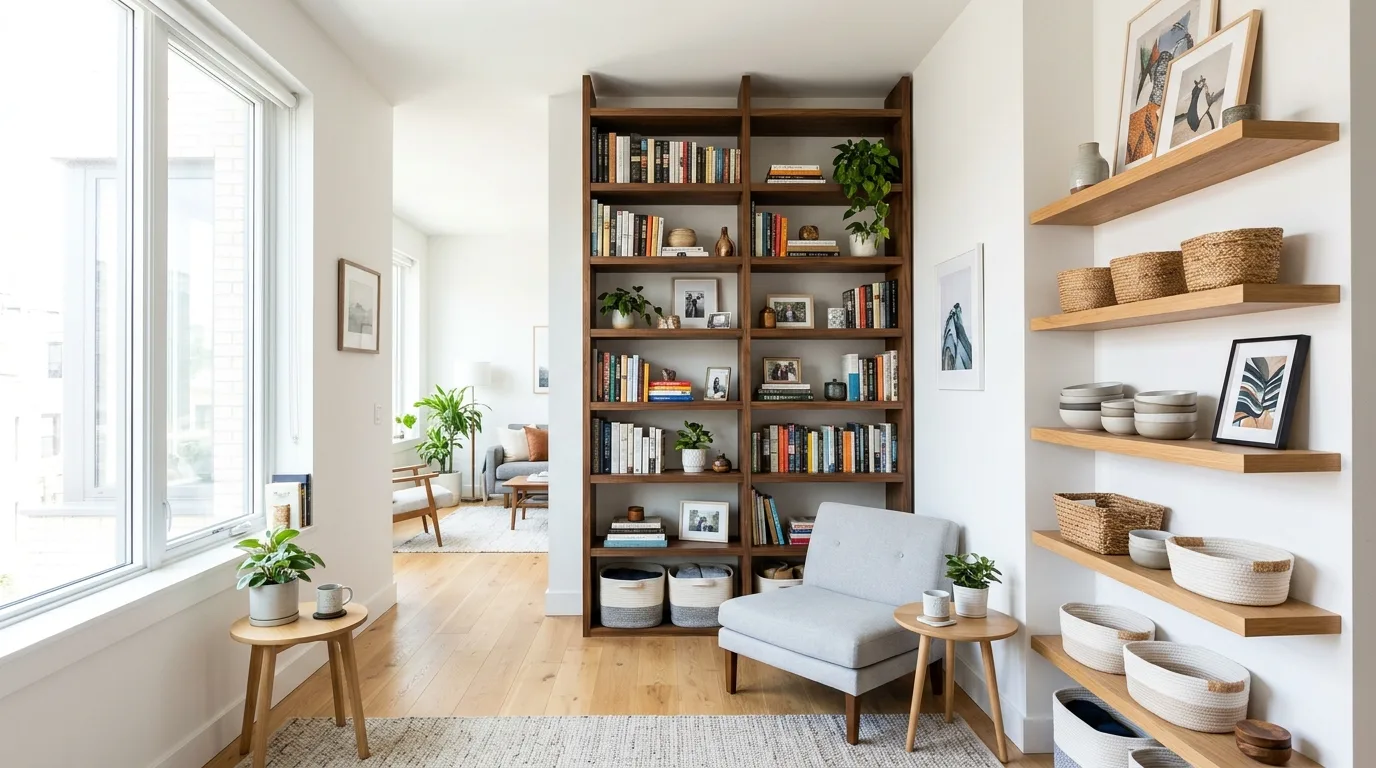
Store upward instead of outward
Tall shelves, vertical racks, and wall-mounted storage make use of the room's height while protecting valuable floor area.
Styling tip: Use one contained storage zone so the room stays easier to maintain day to day.
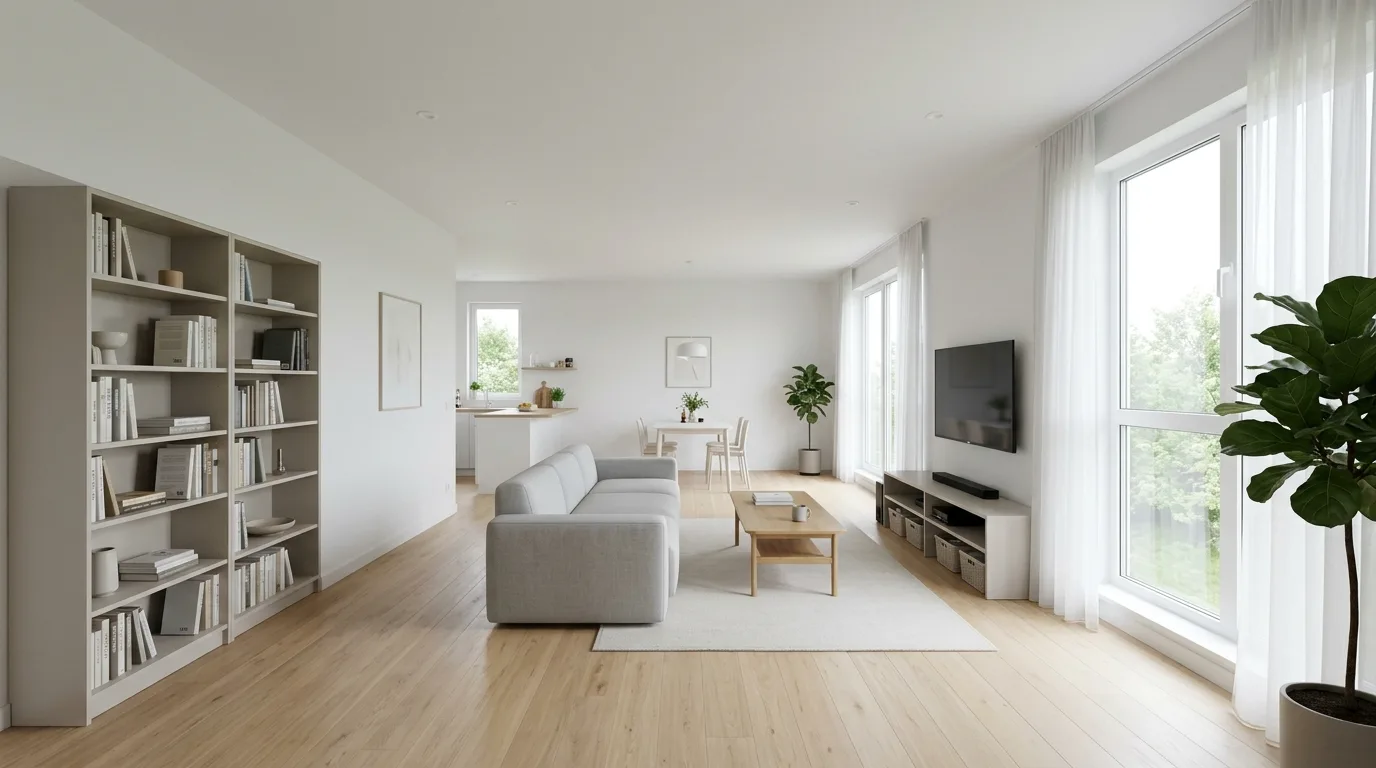
Declutter more often than you decorate
A small room feels bigger when there is simply less out in the open. Space is created as much by editing as by buying anything new.
Styling tip: Leave a little breathing room around the main pieces so the space does not feel crowded.
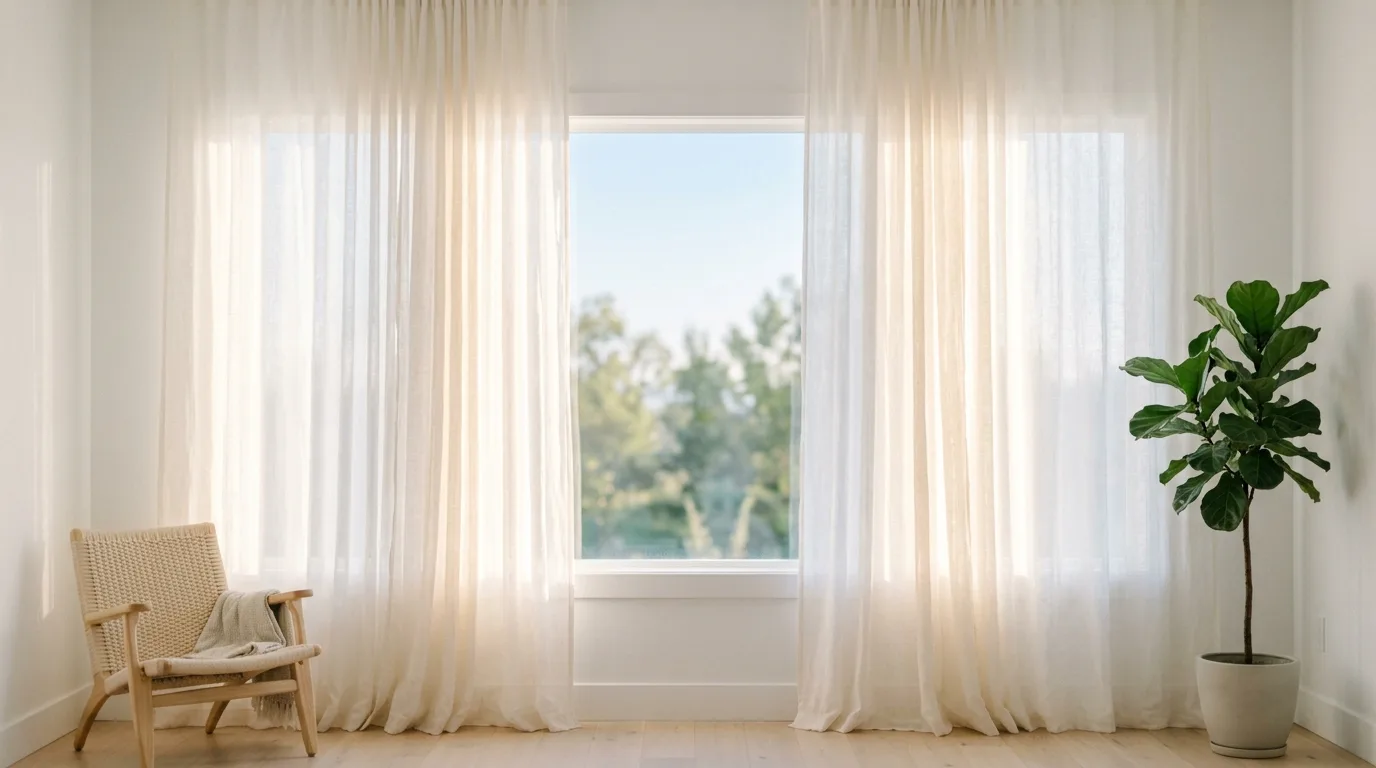
Use lighter curtains or simple blinds
Window treatments that let natural light come through keep the room feeling open and airy. Heavy drapes can visually weigh the room down.
Styling tip: Keep the lighting warm and soft so the setup feels inviting instead of harsh.
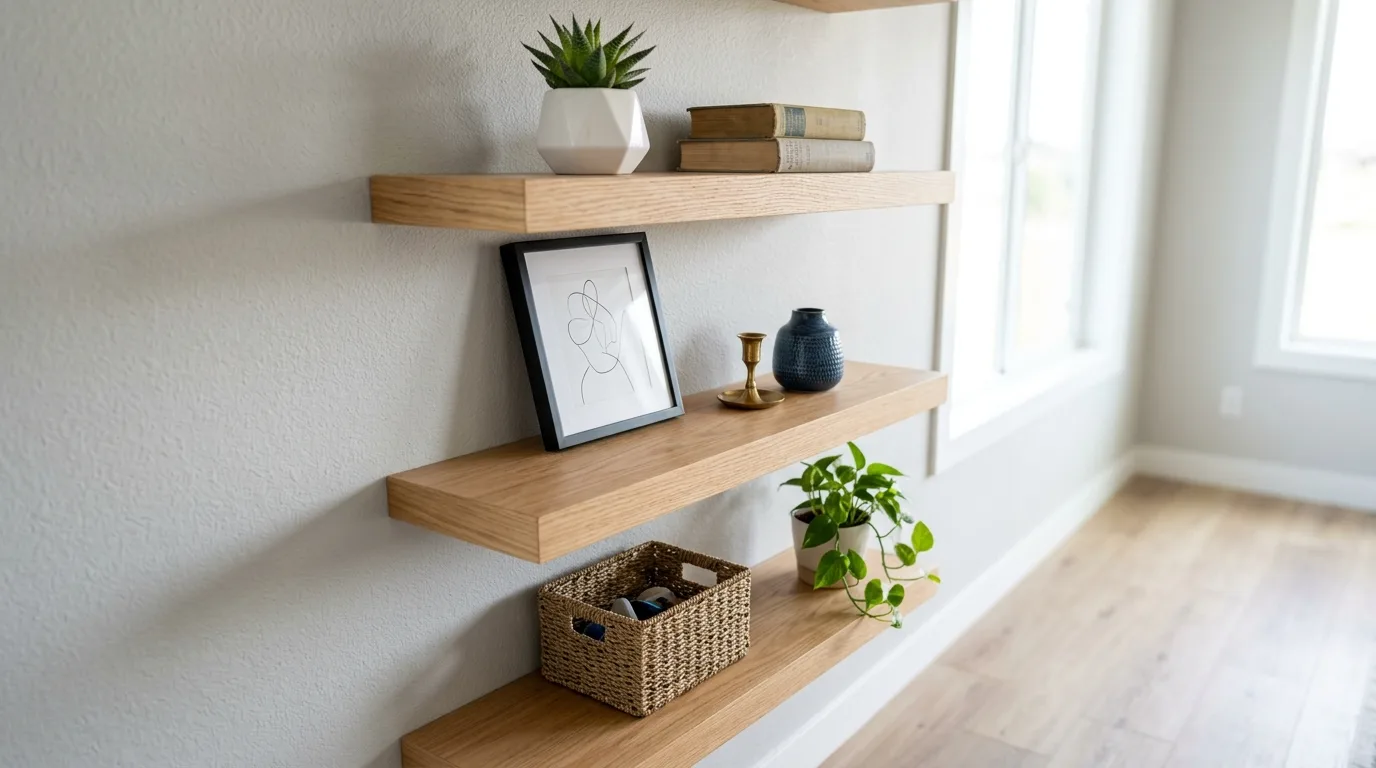
Add floating shelves
Floating storage helps keep the floor free while still giving you room for books, decor, or essentials. This is especially helpful around desks and beds.
Styling tip: Use one contained storage zone so the room stays easier to maintain day to day.
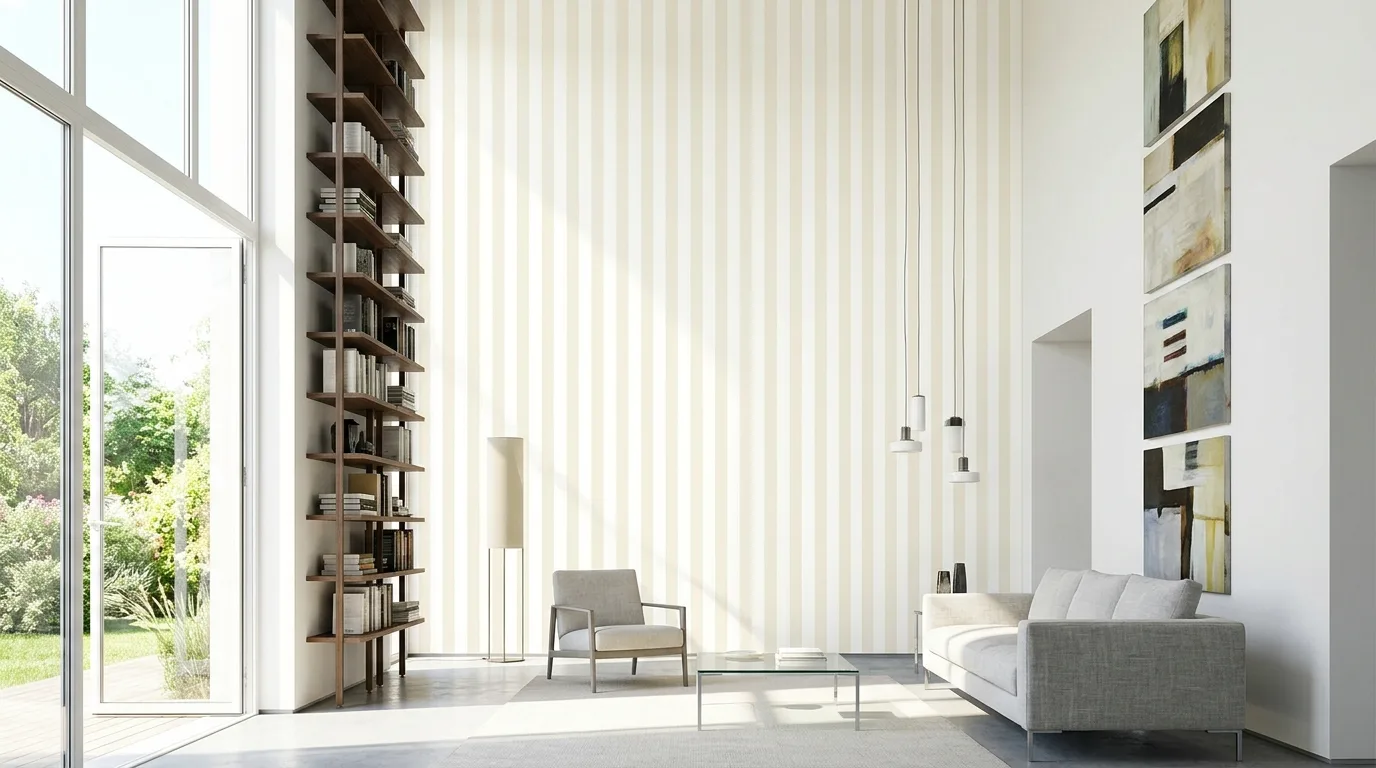
Draw the eye upward
Vertical stripes, tall curtains, or higher-placed art can make the room feel taller, which helps the whole space seem more generous.
Styling tip: Give the wall feature enough blank space around it so it can read as a focal point.
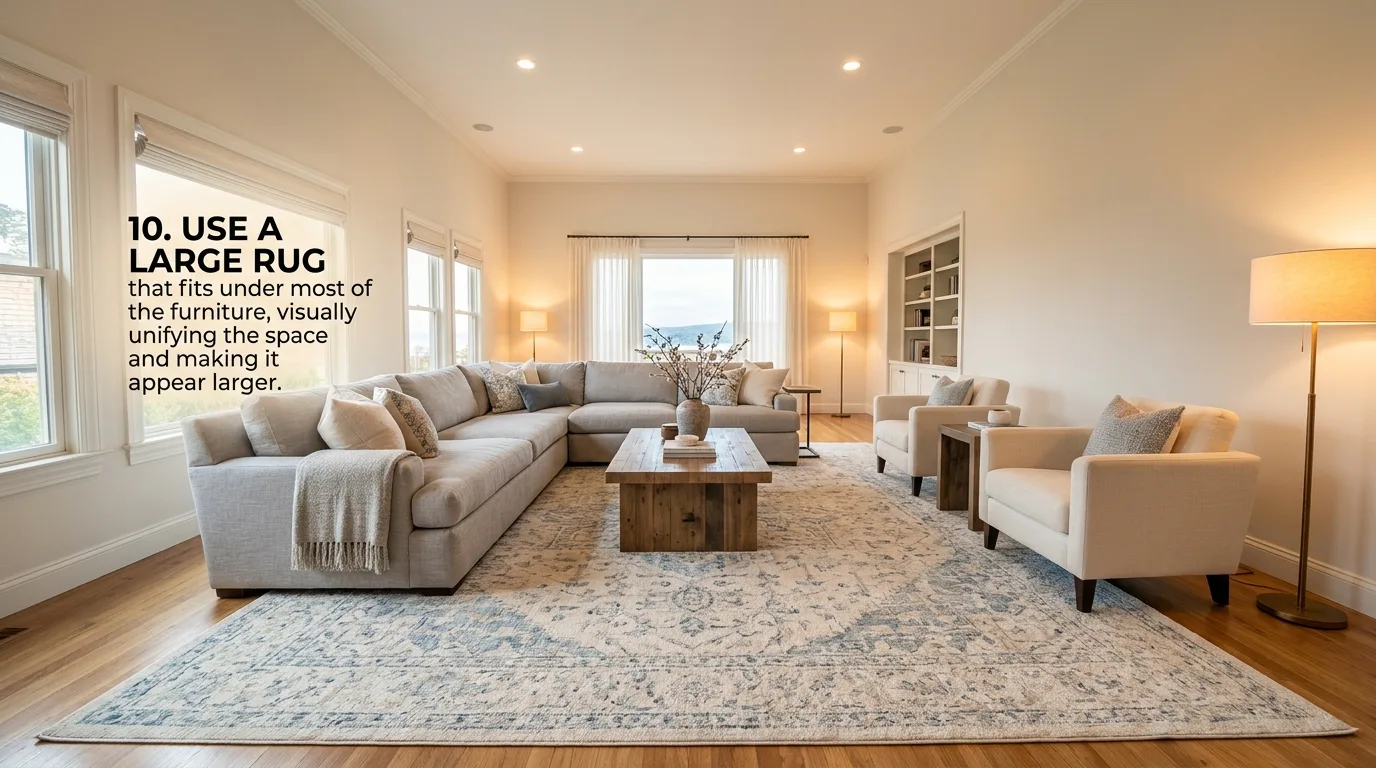
Use one large rug to unify the floor
A properly scaled rug can make the room feel bigger because it connects the furniture instead of breaking the floor into many smaller visual zones.
Styling tip: Leave a little breathing room around the main pieces so the space does not feel crowded.
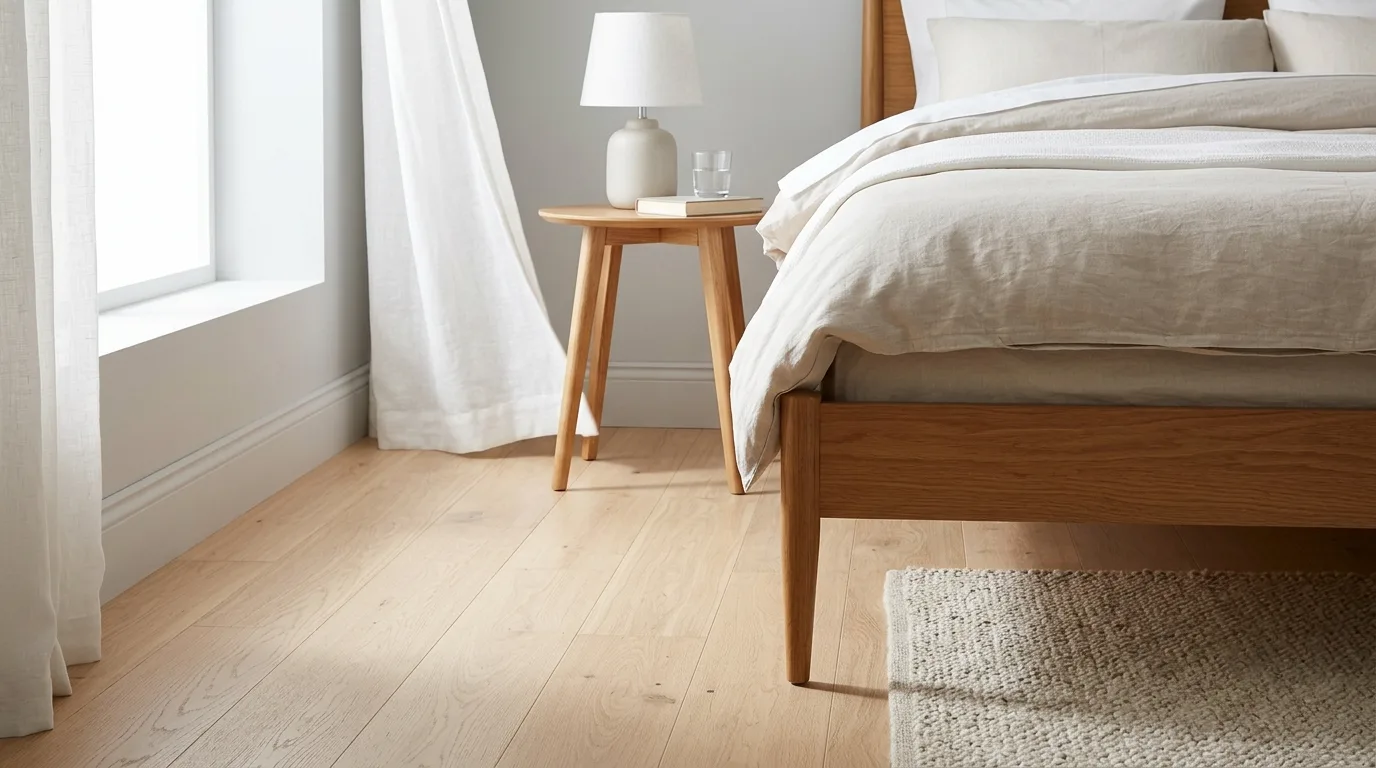
Pick furniture with visible legs
Pieces lifted off the ground expose more negative space and help the room feel lighter. That openness matters in a small bedroom.
Styling tip: Keep the lighting warm and soft so the setup feels inviting instead of harsh.
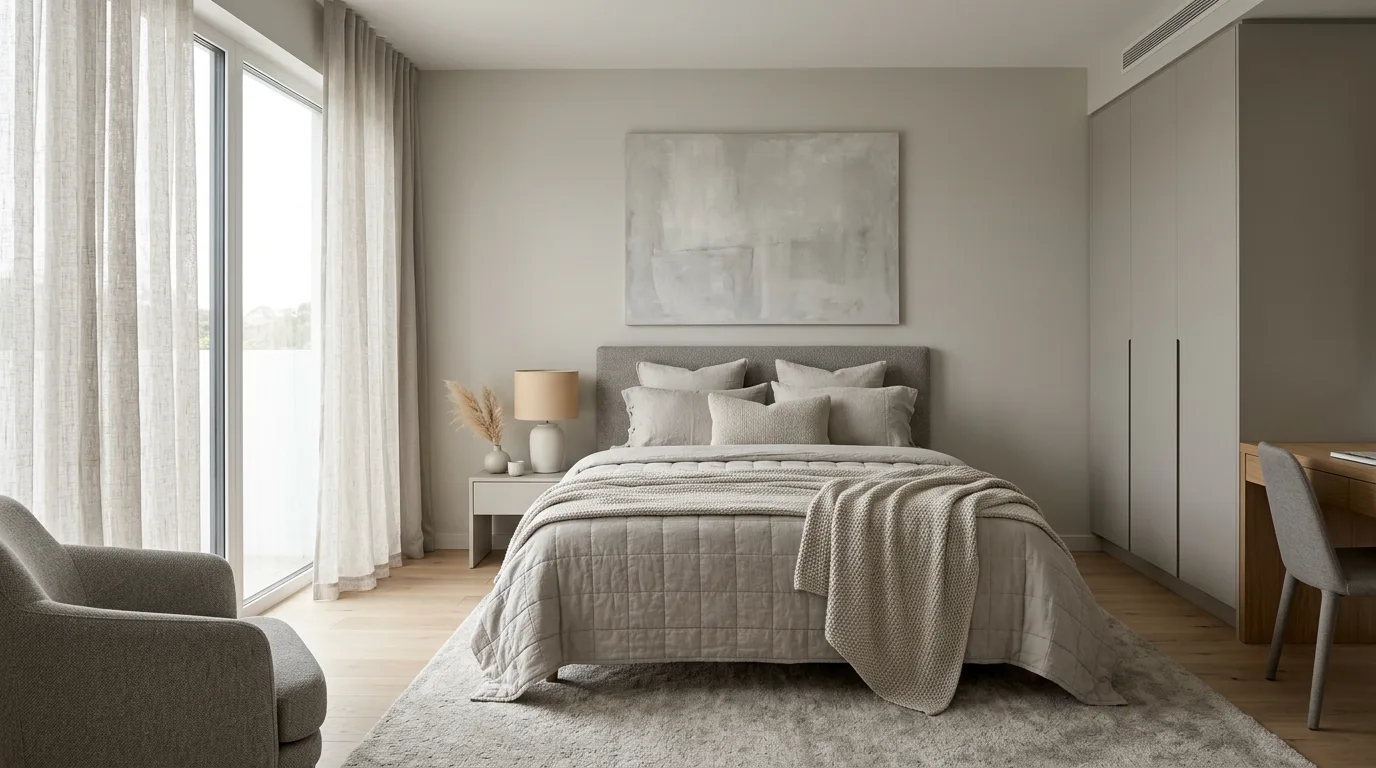
Keep the palette consistent
When walls, bedding, and larger pieces live in the same color family, the room feels smoother and less visually choppy. Cohesion helps expand the space.
Styling tip: Repeat the main color in a few places so the look feels connected instead of random.
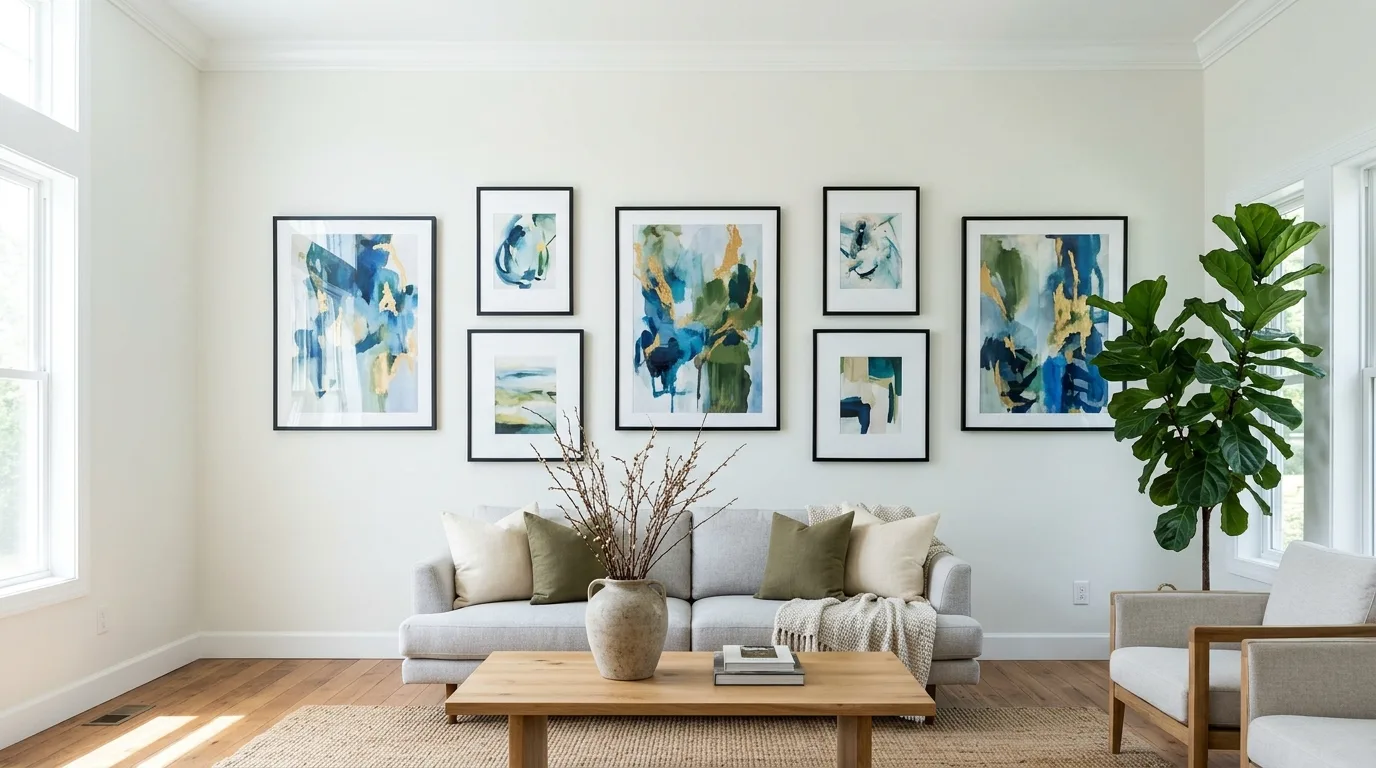
Hang art a little higher
Raising artwork closer to eye-lifting height can subtly stretch the feel of the room. It is a small styling move with noticeable effect.
Styling tip: Leave a little breathing room around the main pieces so the space does not feel crowded.
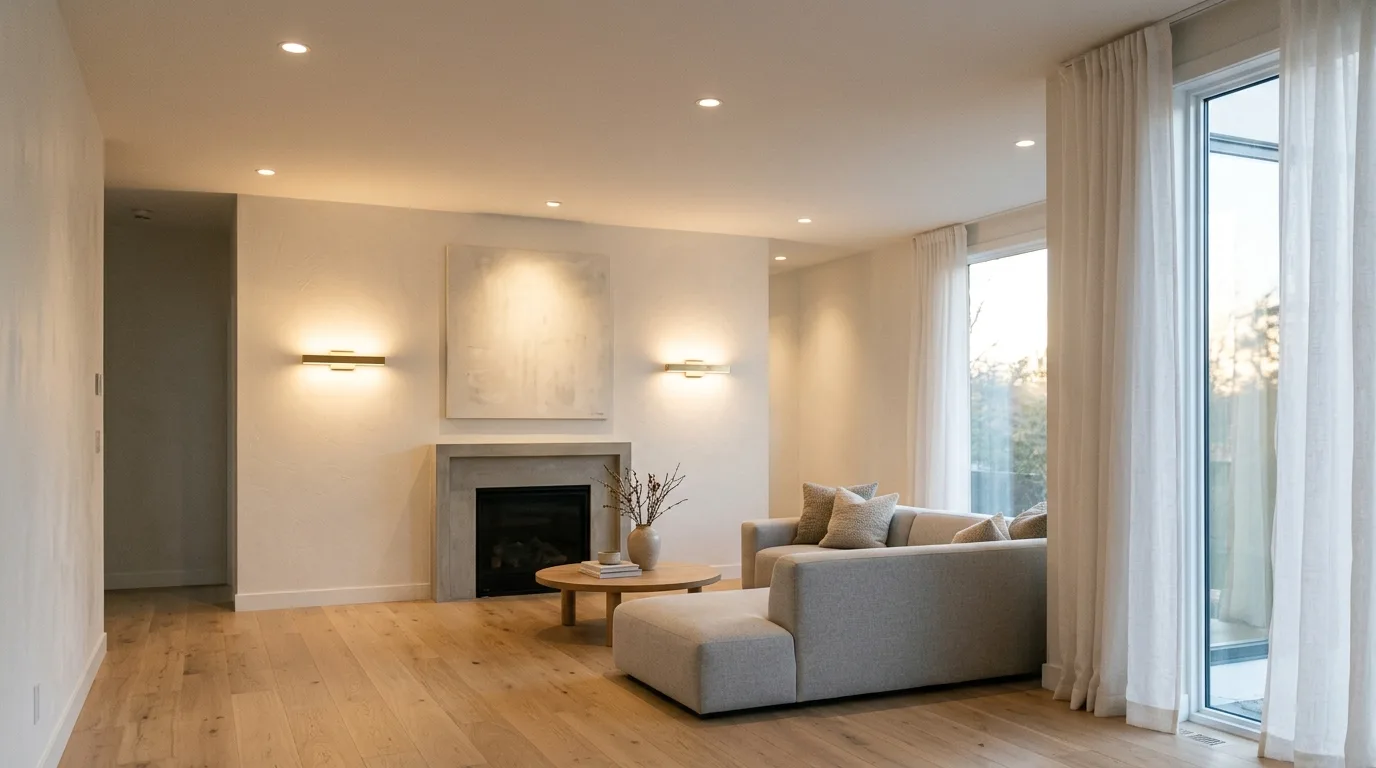
Use built-in or wall lighting
Wall sconces and recessed lighting free up bedside surfaces and reduce bulk. Less tabletop clutter makes a bedroom feel roomier quickly.
Styling tip: Keep the lighting warm and soft so the setup feels inviting instead of harsh.
Final Takeaway
A small bedroom can feel much bigger when the eye moves through it more easily. Start with lighter tones and more reflected light to open the room visually, then build around the pieces that make the space feel easier to use and nicer to look at every day.