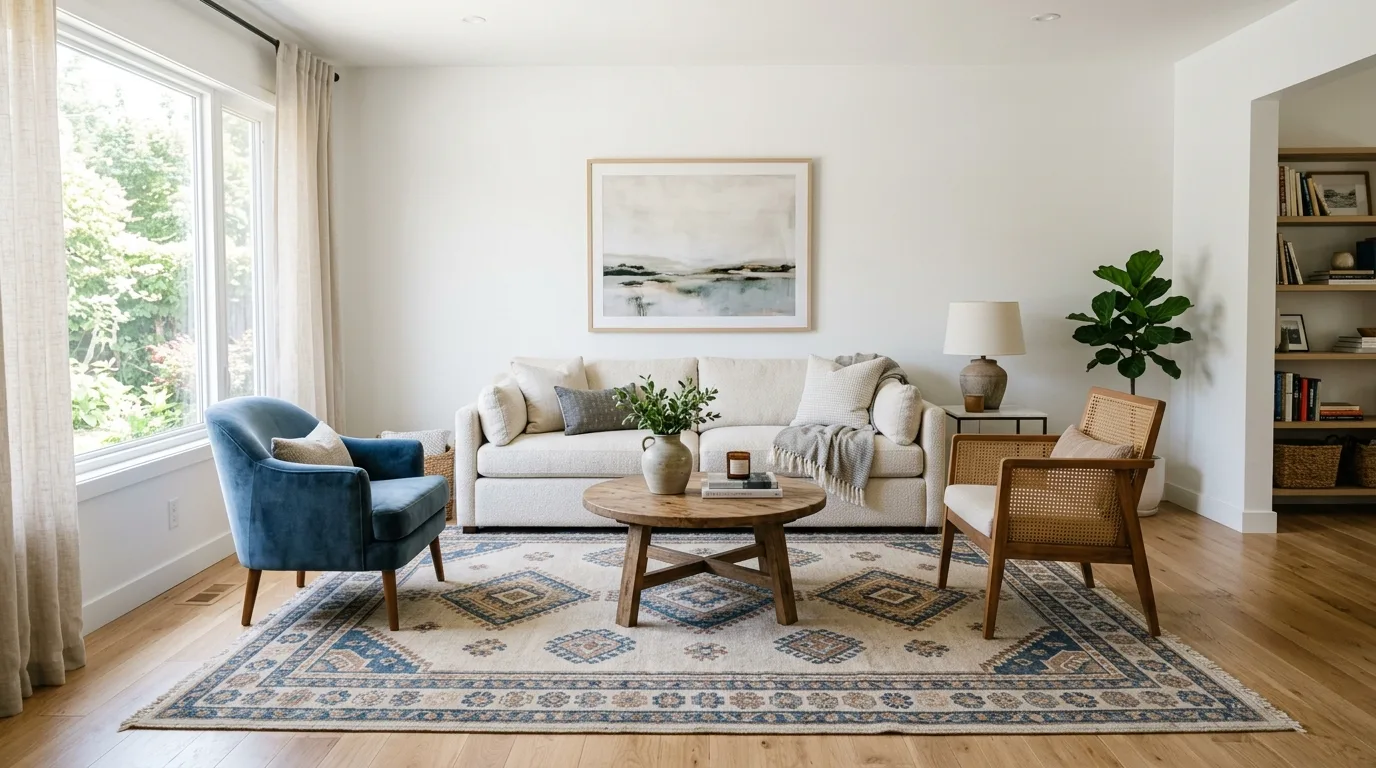
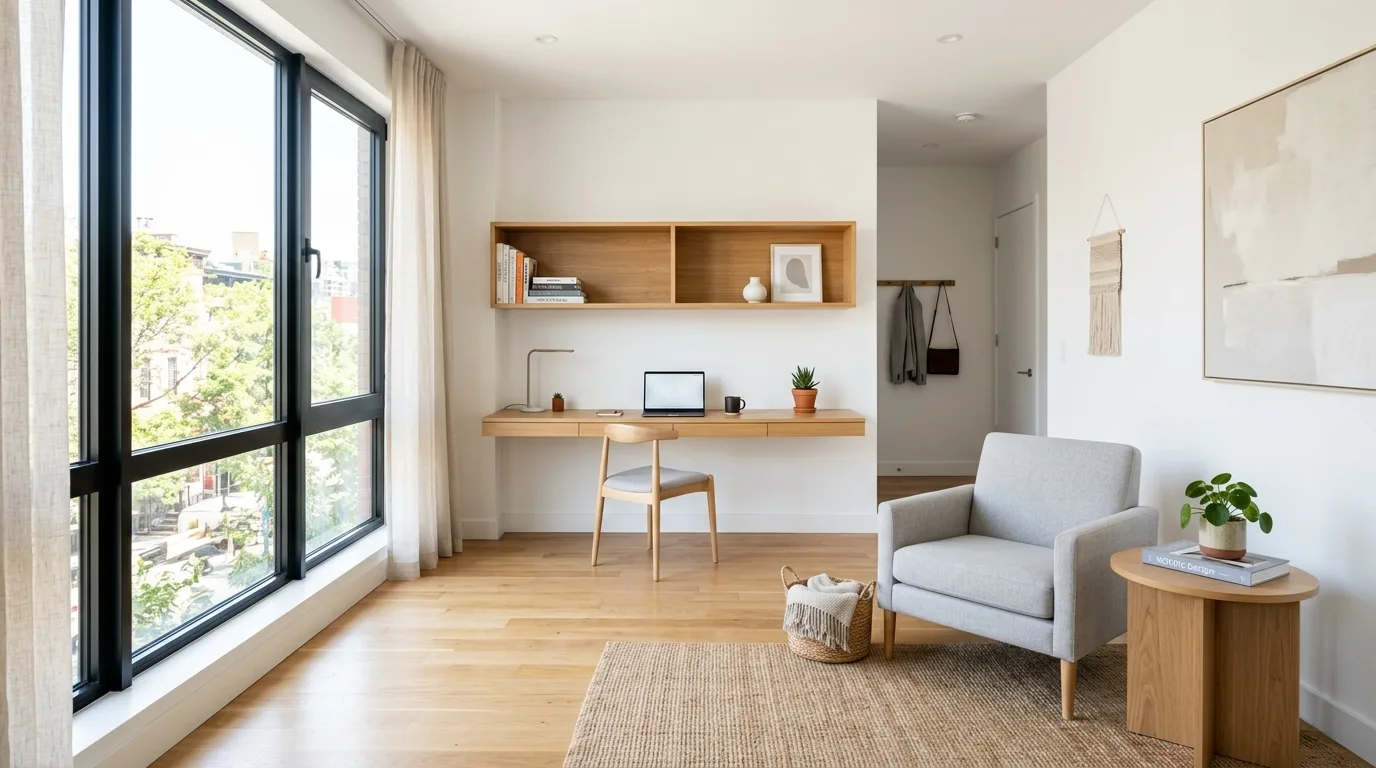
A small living room feels best when every piece earns its place. Good layout decisions, lighter visual weight, and smarter storage can make the room feel more open, more functional, and far more comfortable without requiring a larger footprint.
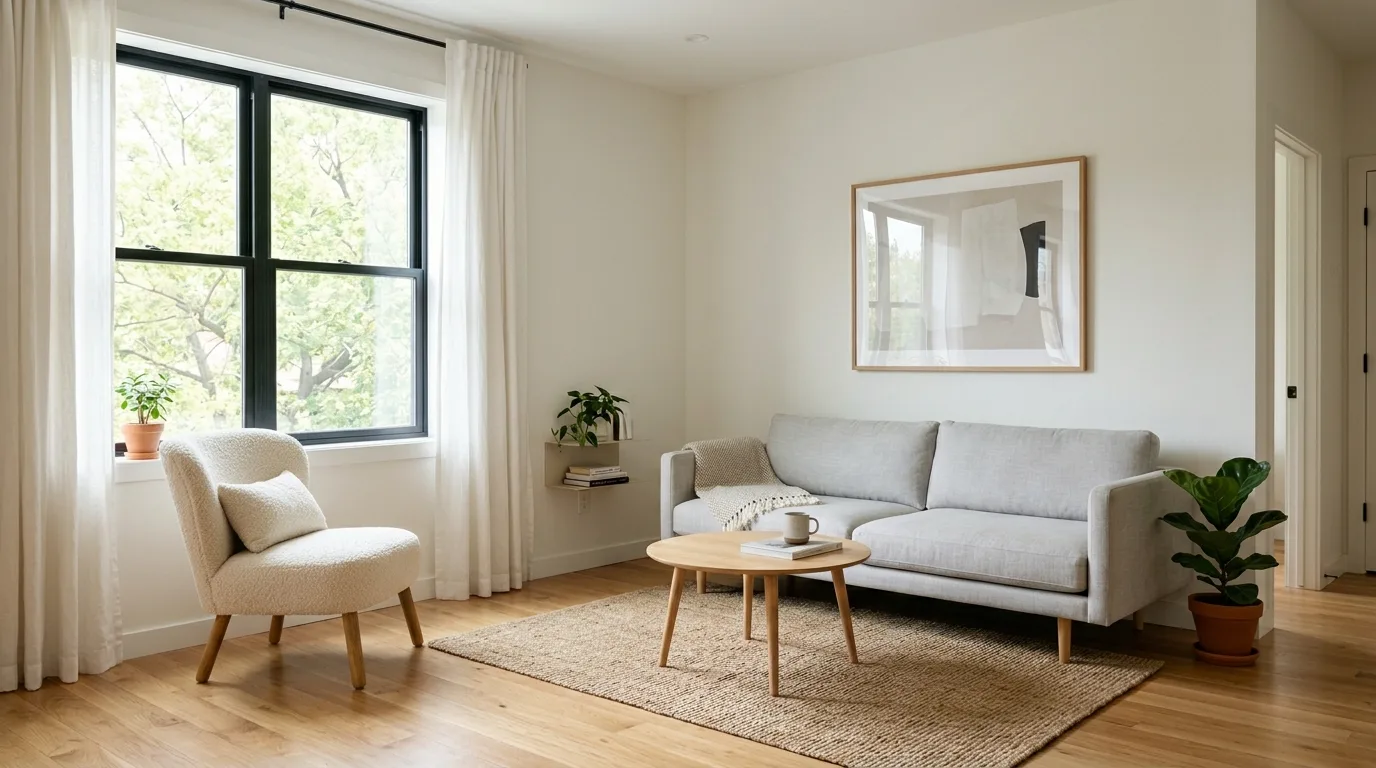
Push only the right pieces to the walls
Placing some furniture along the walls can free up precious center floor space, but the room should still feel intentional rather than flattened. Focus on preserving movement and openness first.
Styling tip: Give the wall feature enough blank space around it so it can read as a focal point.
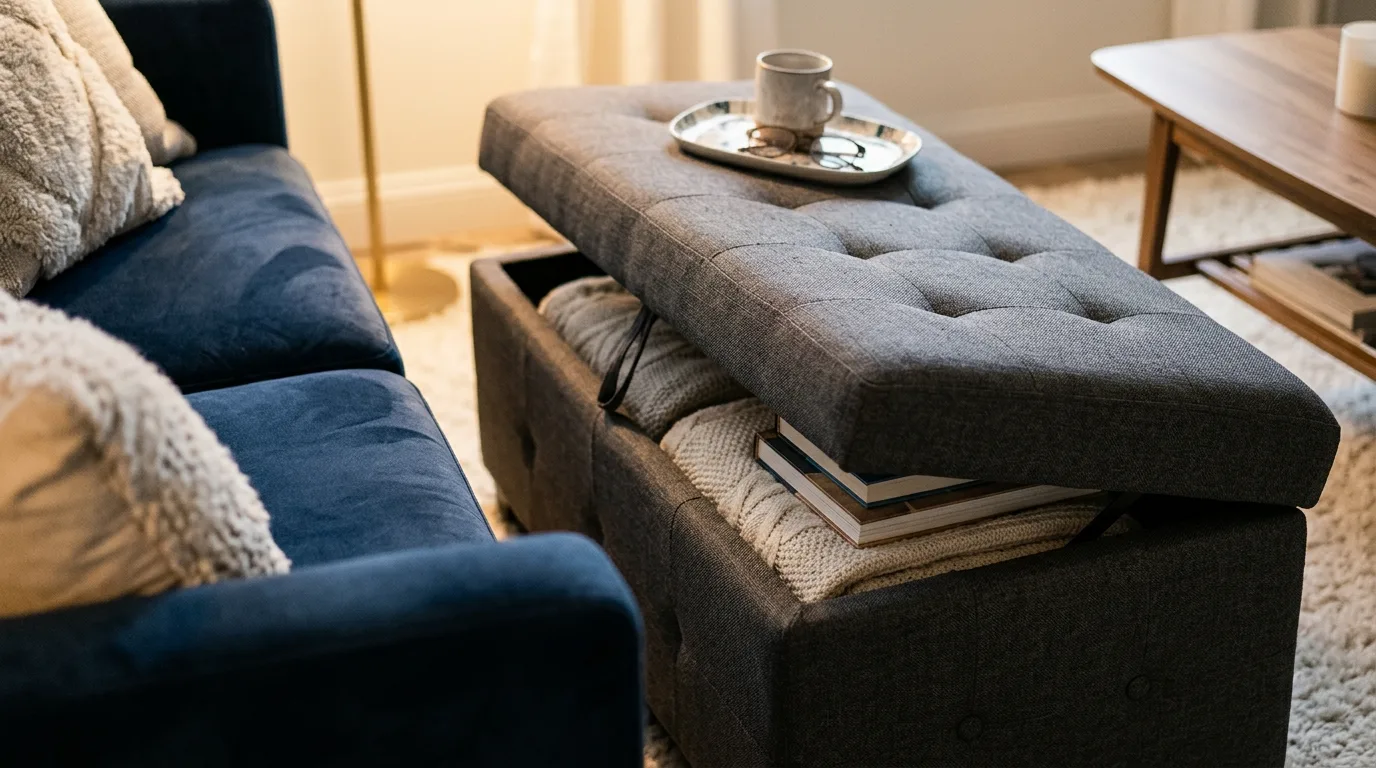
Choose furniture that multitasks
Storage ottomans, sofa beds, or side tables with hidden compartments help a small room stay tidy without needing extra pieces. This kind of furniture is one of the easiest ways to gain function fast.
Styling tip: Use one contained storage zone so the room stays easier to maintain day to day.
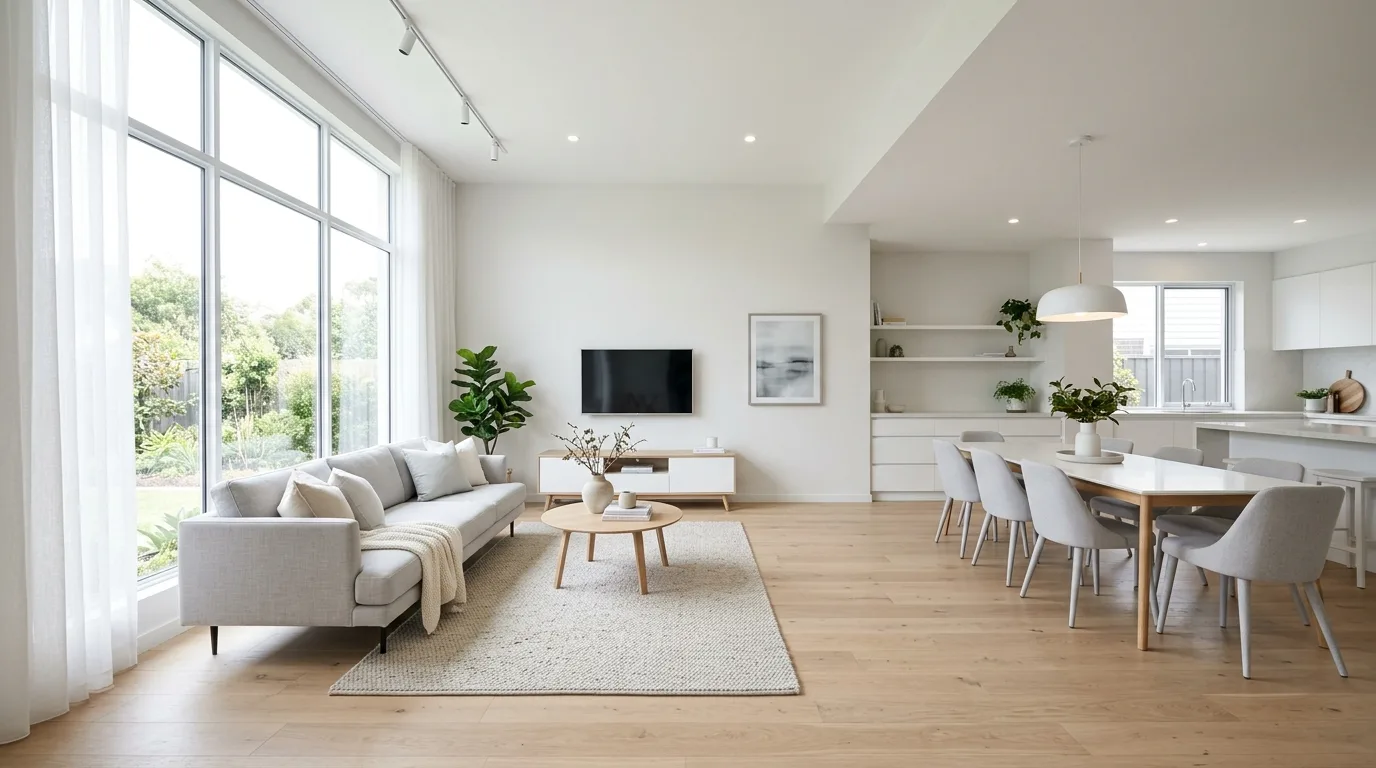
Lighten the palette to open the room up
Walls and larger furniture in white, beige, or pale gray can make a compact space feel calmer and more expansive. Lighter tones reflect more light and reduce visual heaviness.
Styling tip: Keep the lighting warm and soft so the setup feels inviting instead of harsh.
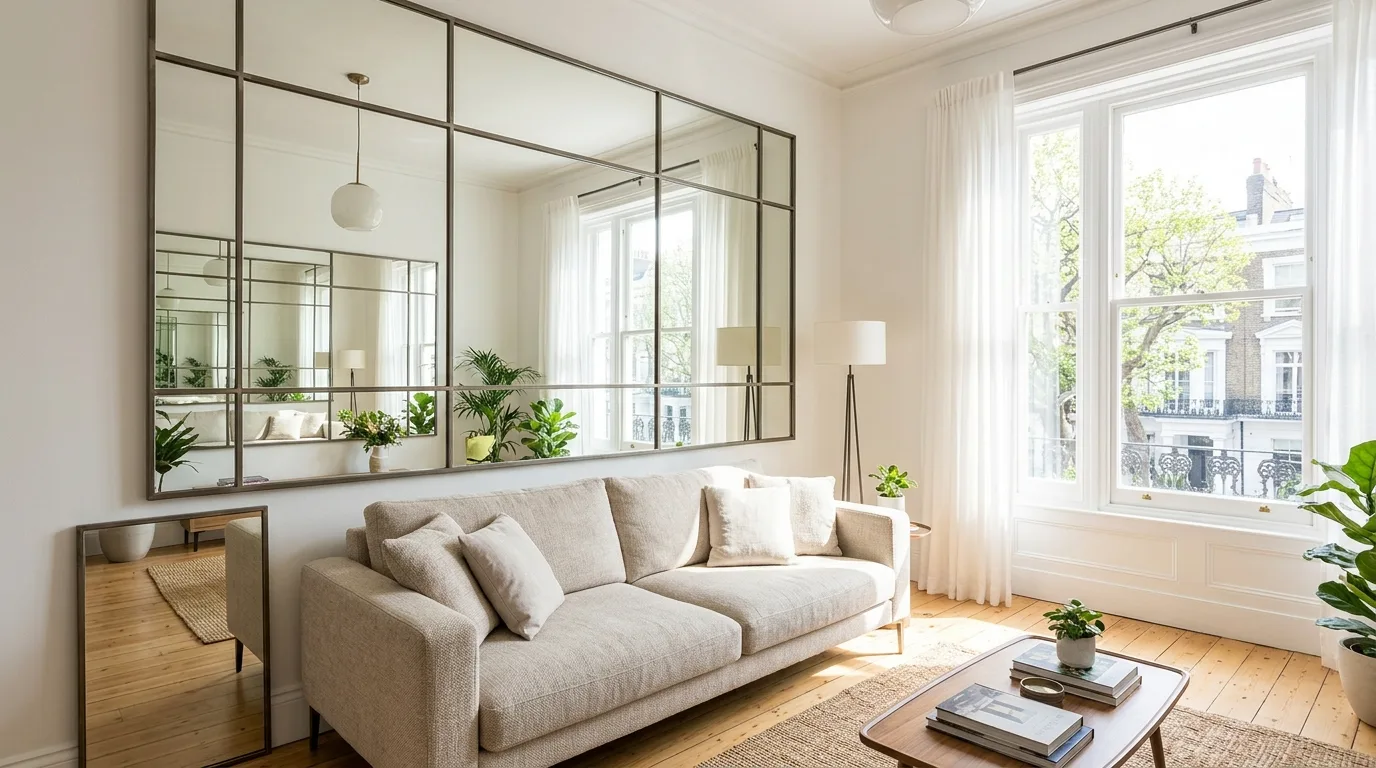
Use mirrors to create depth
A well-placed mirror can bounce light around the room and visually extend the space. It is one of the oldest small-room tricks because it genuinely works.
Styling tip: Keep the lighting warm and soft so the setup feels inviting instead of harsh.
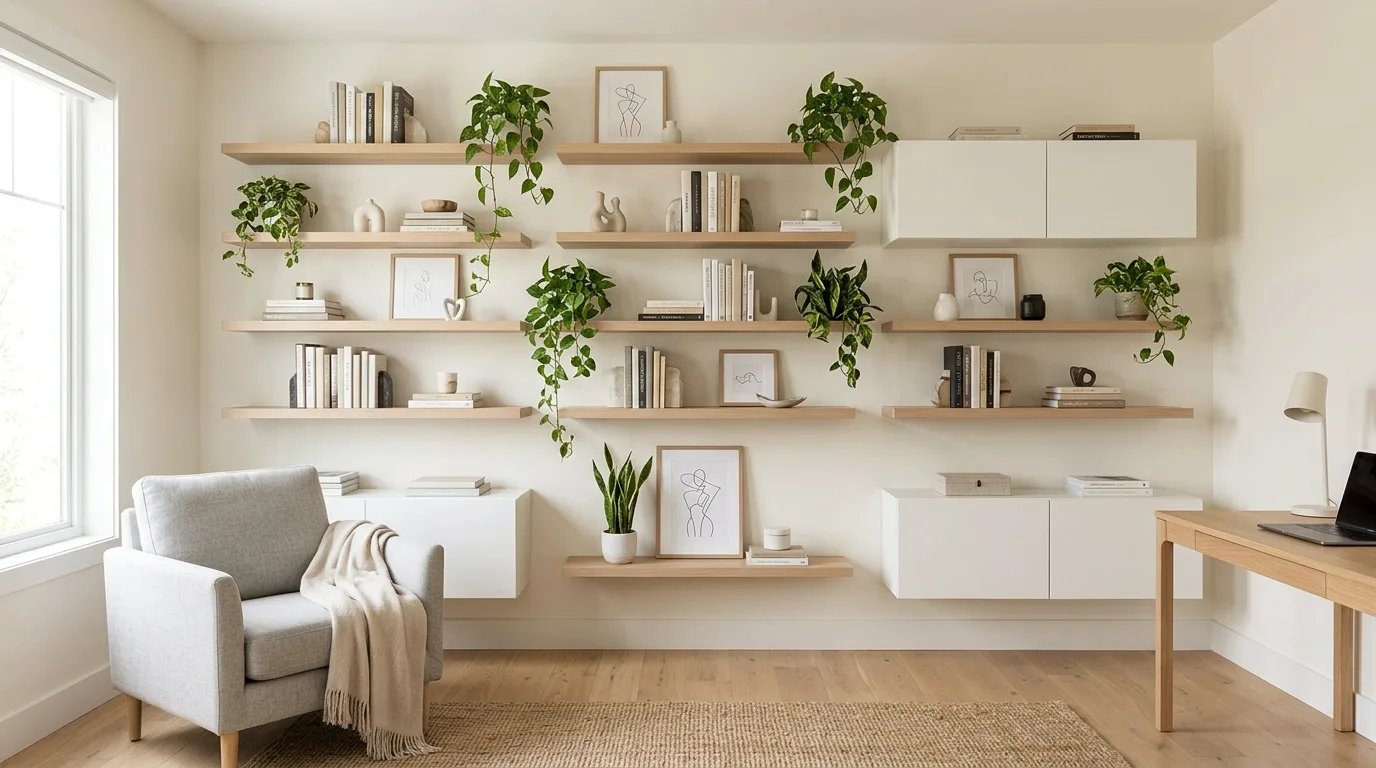
Go upward with storage
Wall-mounted shelves and floating cabinets help small living rooms stay organized without filling the floor. Vertical storage makes the room more useful while keeping the layout lighter.
Styling tip: Keep the lighting warm and soft so the setup feels inviting instead of harsh.
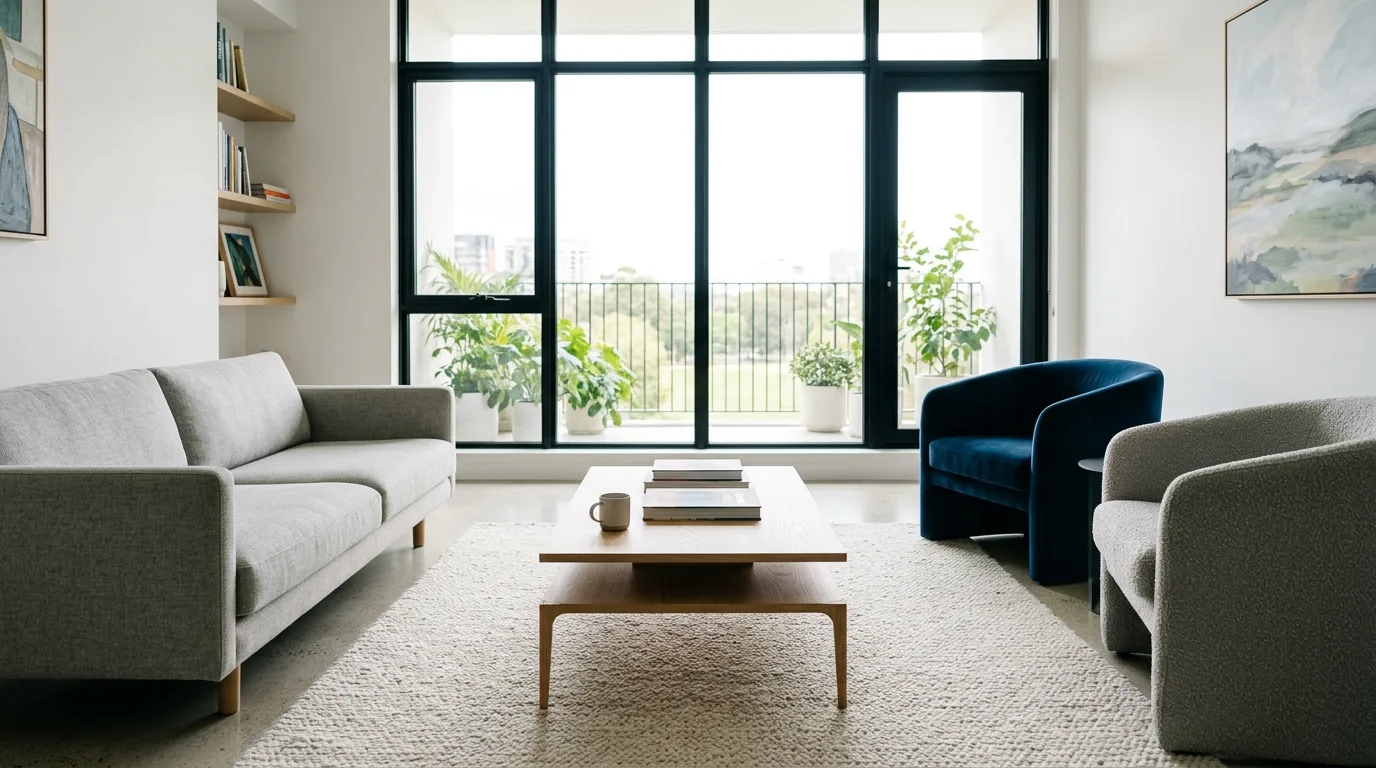
Try a slimmer coffee table
A floating, glass, or narrow-profile coffee table helps preserve walking space and keeps the center of the room from feeling blocked. In a small room, even a few inches matter.
Styling tip: Leave a little breathing room around the main pieces so the space does not feel crowded.
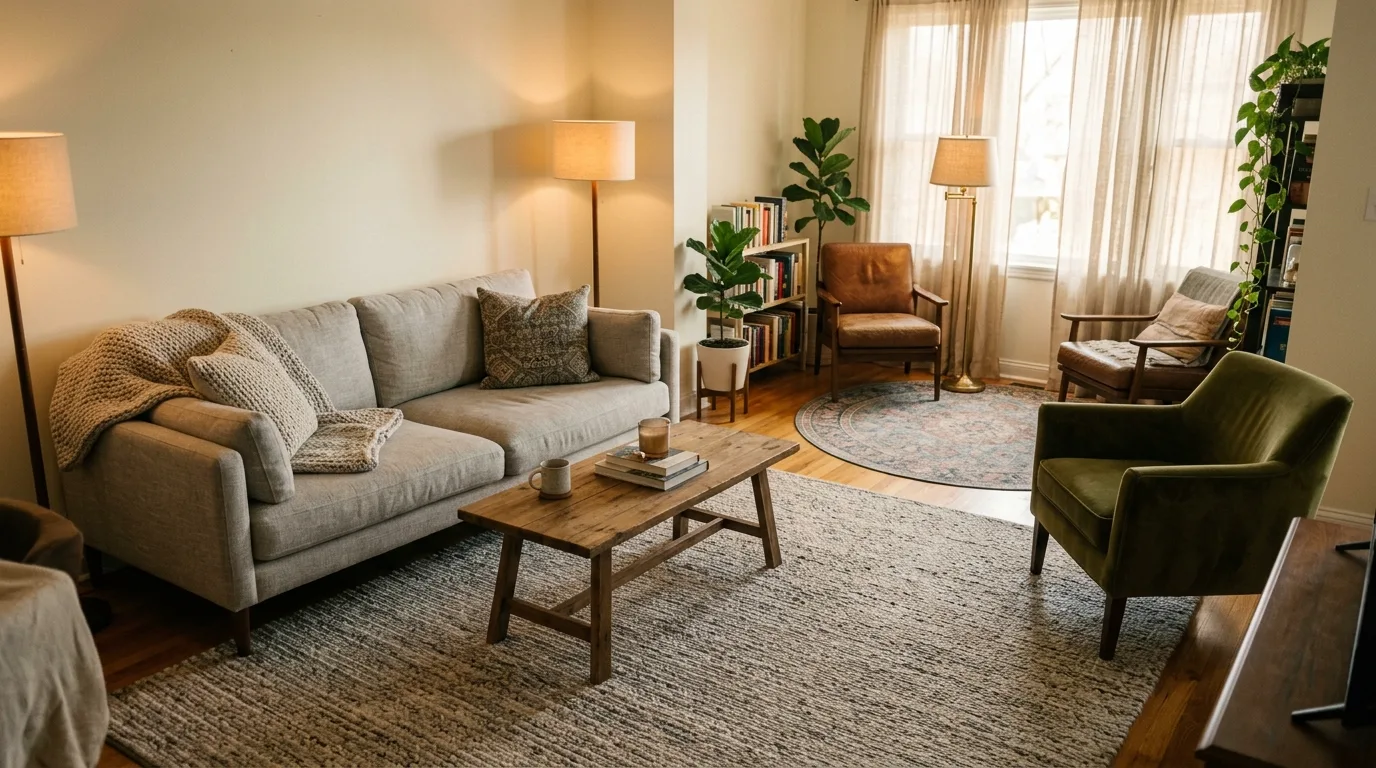
Define small zones with rugs
A rug can help separate a seating area from a reading nook or work corner, even inside one compact room. This makes the layout feel more purposeful.
Styling tip: Leave a little breathing room around the main pieces so the space does not feel crowded.
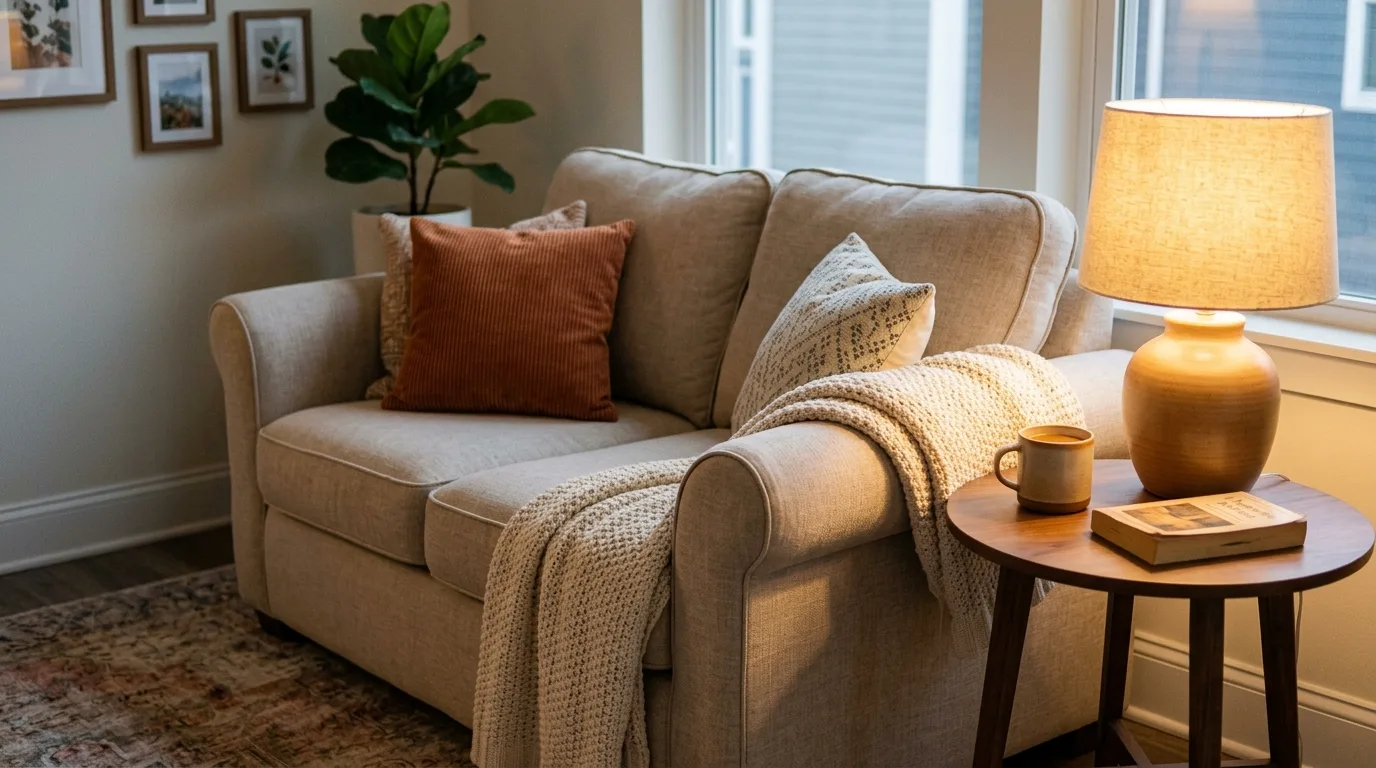
Scale down the seating
A loveseat or compact chair may serve the room better than an oversized sectional. Smaller silhouettes often make the room feel more comfortable, not less.
Styling tip: Leave a little breathing room around the main pieces so the space does not feel crowded.
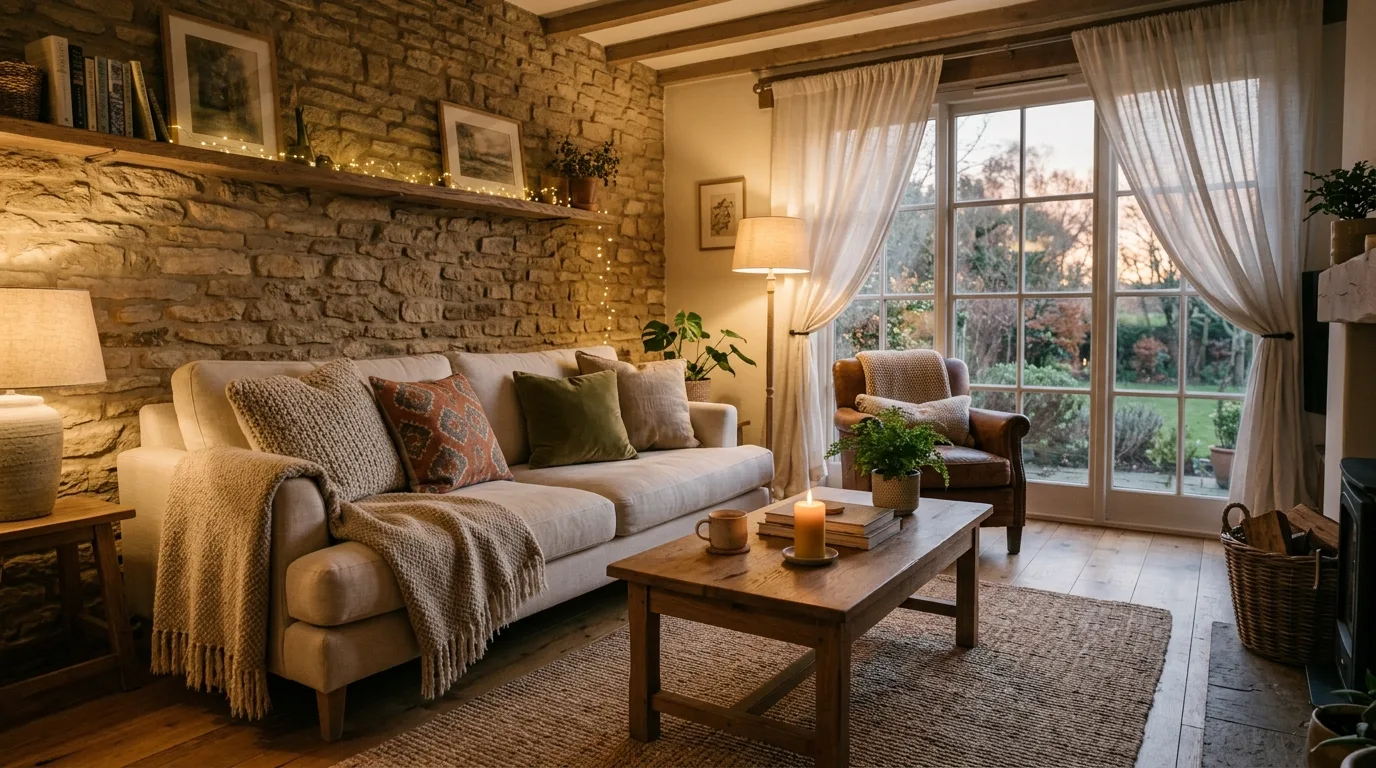
Use soft texture instead of more furniture
Throws, pillows, curtains, and a textured rug can make a small room feel cozy without adding bulk. Texture gives the space personality while preserving openness.
Styling tip: Leave a little breathing room around the main pieces so the space does not feel crowded.
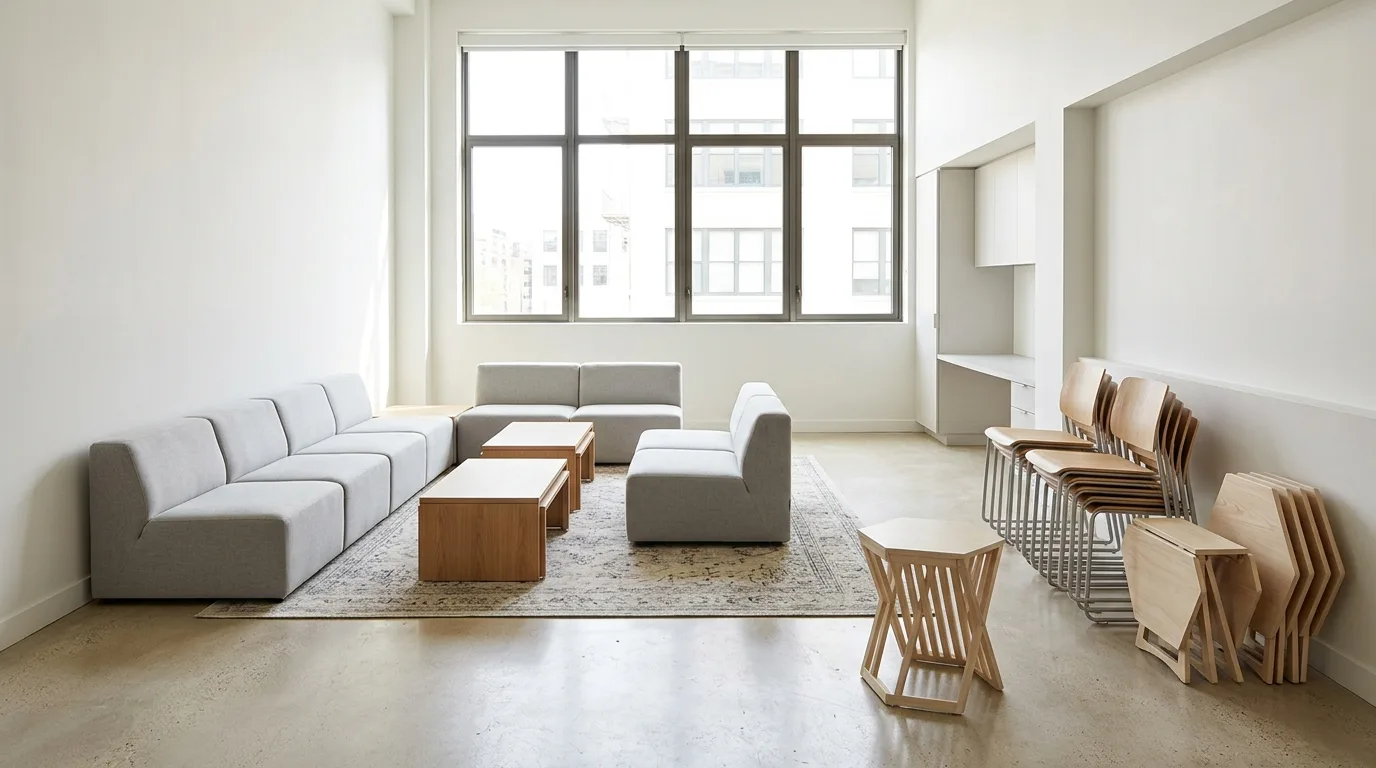
Keep flexible pieces nearby
Foldable stools, nesting tables, or stackable chairs let the room adapt when you need more surfaces or extra seating. Flexibility is a huge advantage in smaller homes.
Styling tip: Leave a little breathing room around the main pieces so the space does not feel crowded.
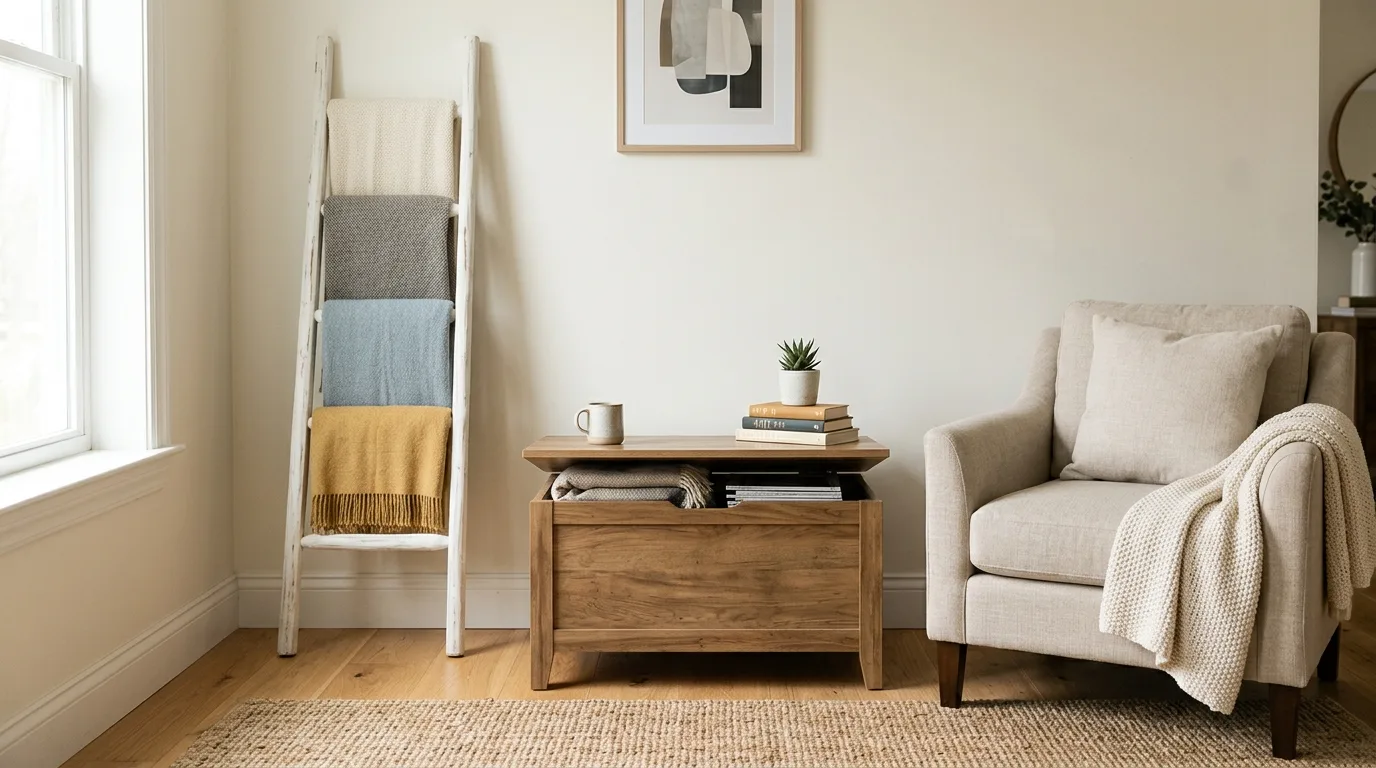
Let decor work harder
A ladder for blankets, a side table with storage, or a bench with a shelf underneath helps decor stay practical. In a small room, decorative pieces should often do double duty.
Styling tip: Use one contained storage zone so the room stays easier to maintain day to day.
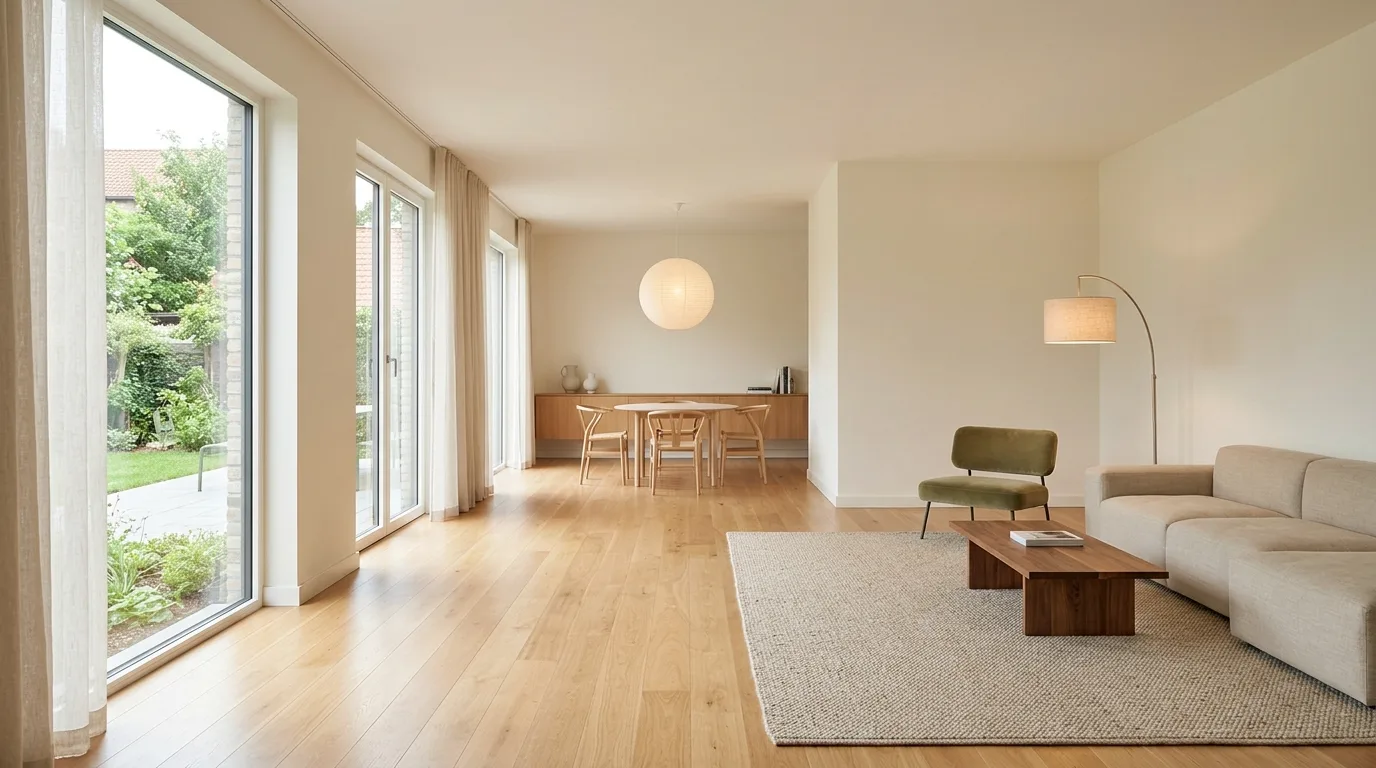
Edit the furniture count
One of the smartest layout moves is simply using fewer large pieces. A room feels bigger when it is not trying to do too much at once.
Styling tip: Give the wall feature enough blank space around it so it can read as a focal point.
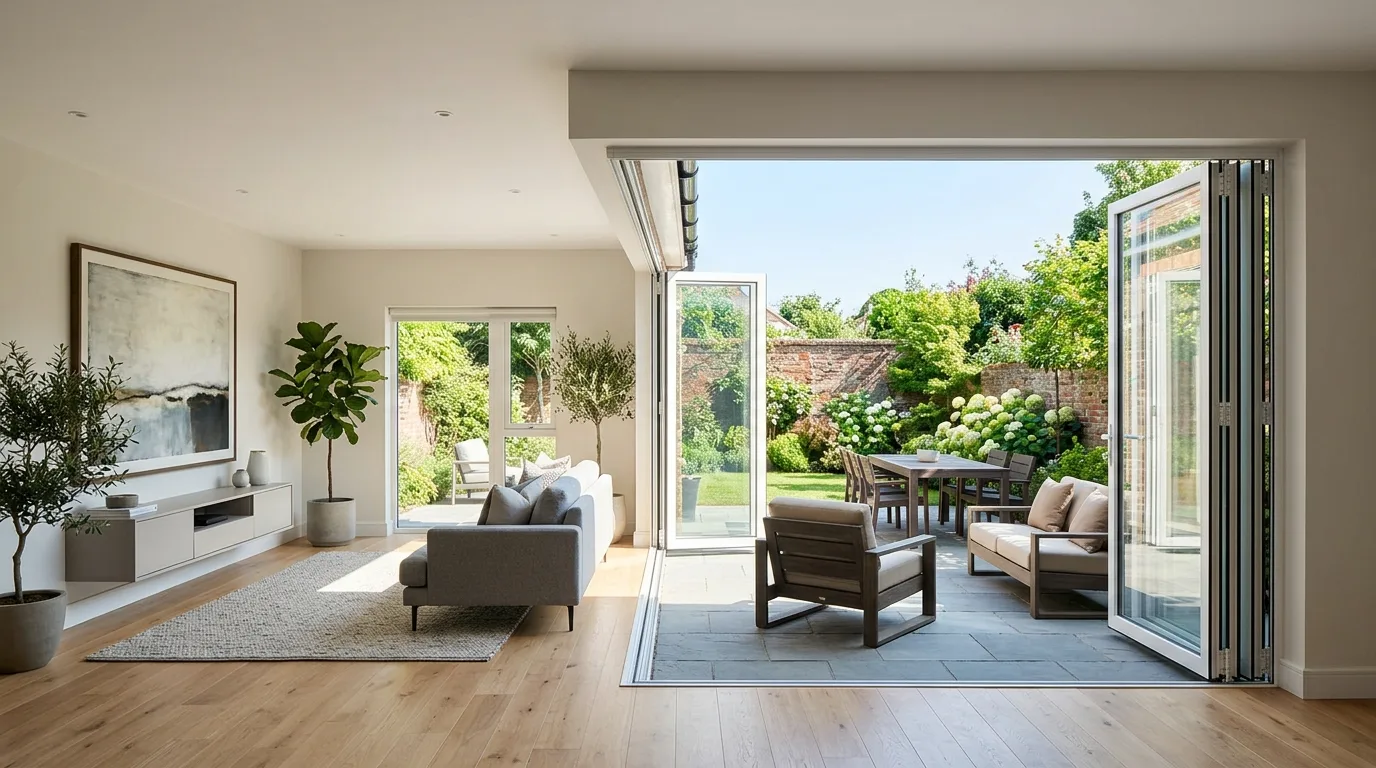
Improve flow wherever possible
Sliding doors, better clearance, and fewer visual interruptions can make even a tiny living room feel easier to use. Good flow matters as much as good style.
Styling tip: Focus on compact, multifunctional furniture so the room does more with less.
Final Takeaway
A small living room feels best when every piece earns its place. Start with compact, multifunctional furniture so the room does more with less, then build around the pieces that make the space feel easier to use and nicer to look at every day.