Temporary door solutions can make a huge difference in rented spaces or awkward layouts where privacy is needed but permanent changes are not possible. The best ideas solve the function first while still looking intentional enough to feel like part of the home.
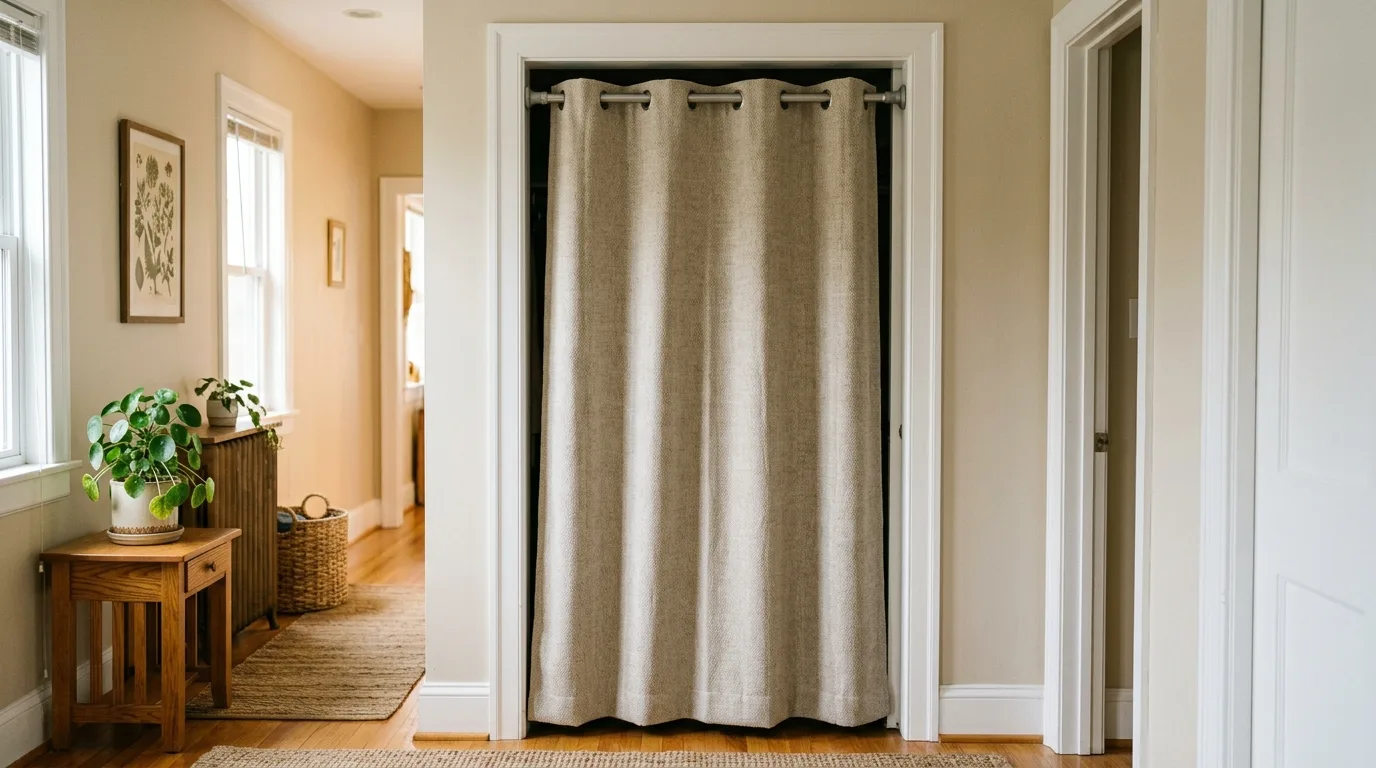
Use curtains for a soft divider
Curtains are one of the easiest temporary door options because they are flexible, affordable, and simple to install without major changes.
Styling tip: Layer one or two soft textures instead of adding too many decorative extras.
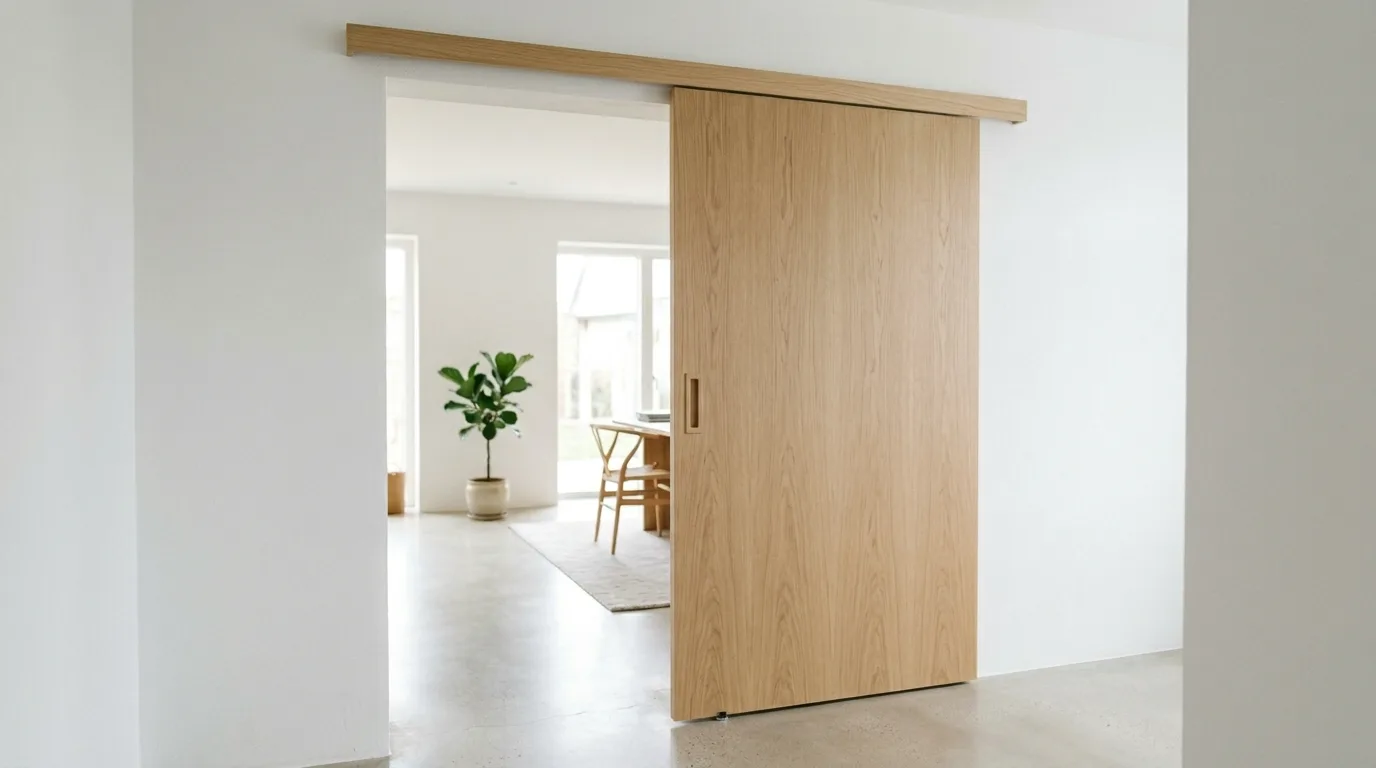
Try a folding screen
Screens work well when you need a movable privacy solution that can shift with the room and does not require installation.
Styling tip: Focus on renter-friendly solutions work best when installation stays light and reversible.
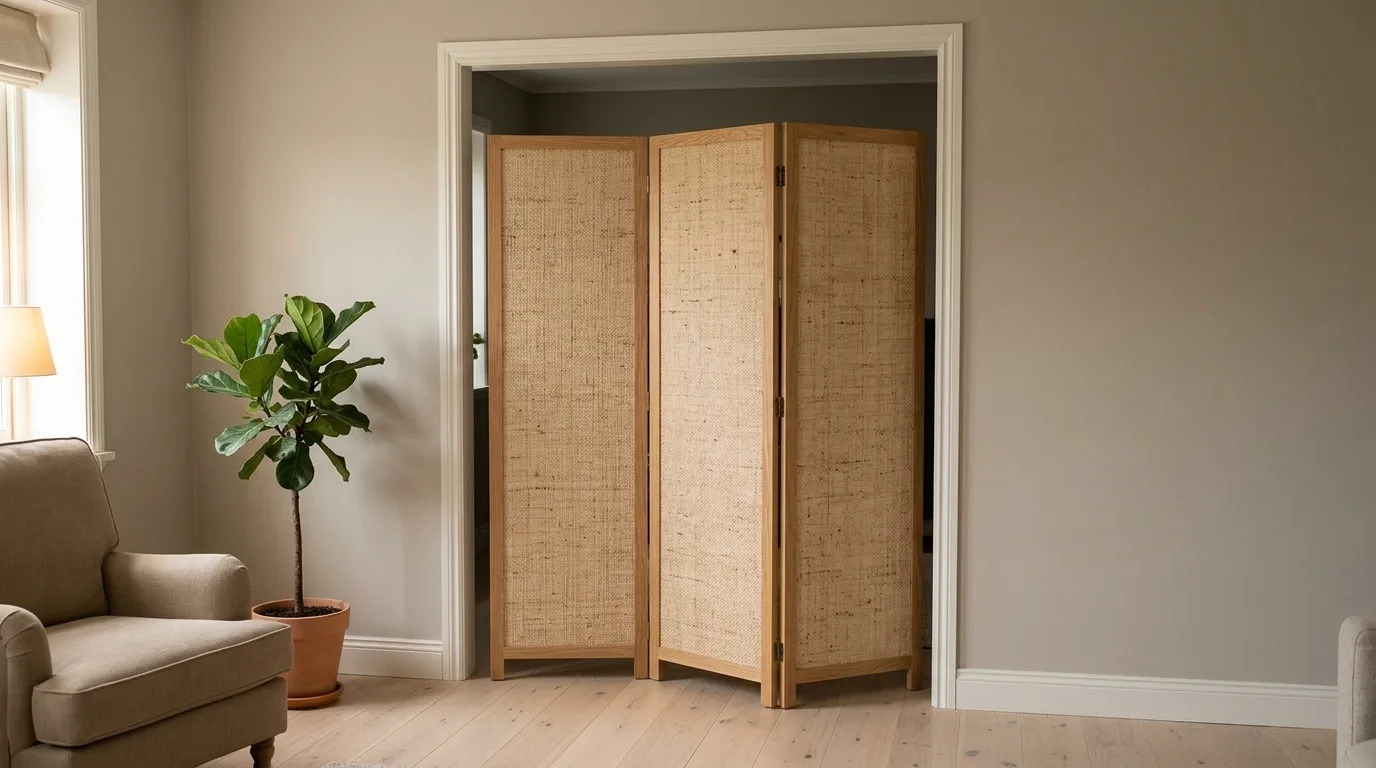
Use sliding panel systems
A lightweight sliding panel can create a more door-like feeling while still being more renter-friendly than a built-in door.
Styling tip: Keep the lighting warm and soft so the setup feels inviting instead of harsh.
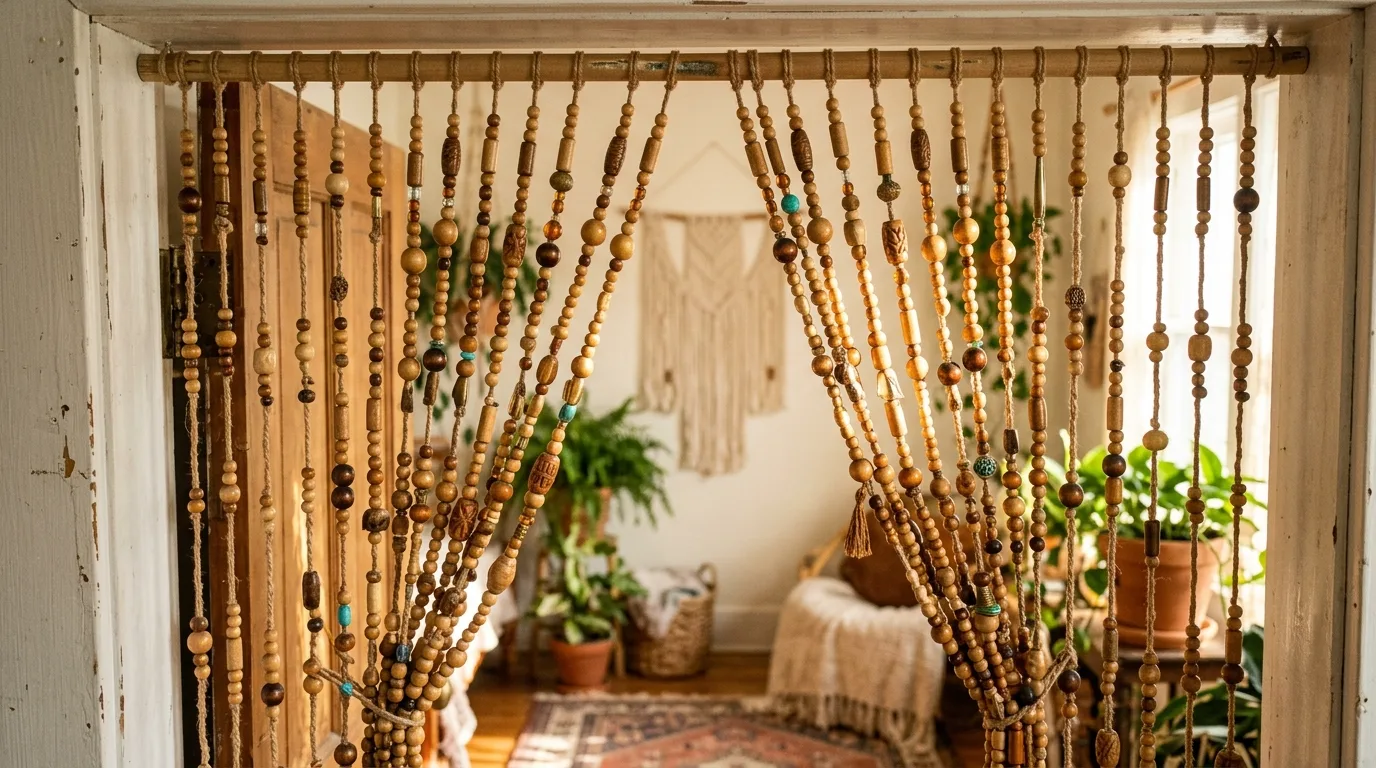
Consider a tension-rod setup
For closets, nooks, or open alcoves, a tension rod with fabric can create quick separation with almost no structural impact.
Styling tip: Focus on temporary doors should create privacy without making the space harder to live in.
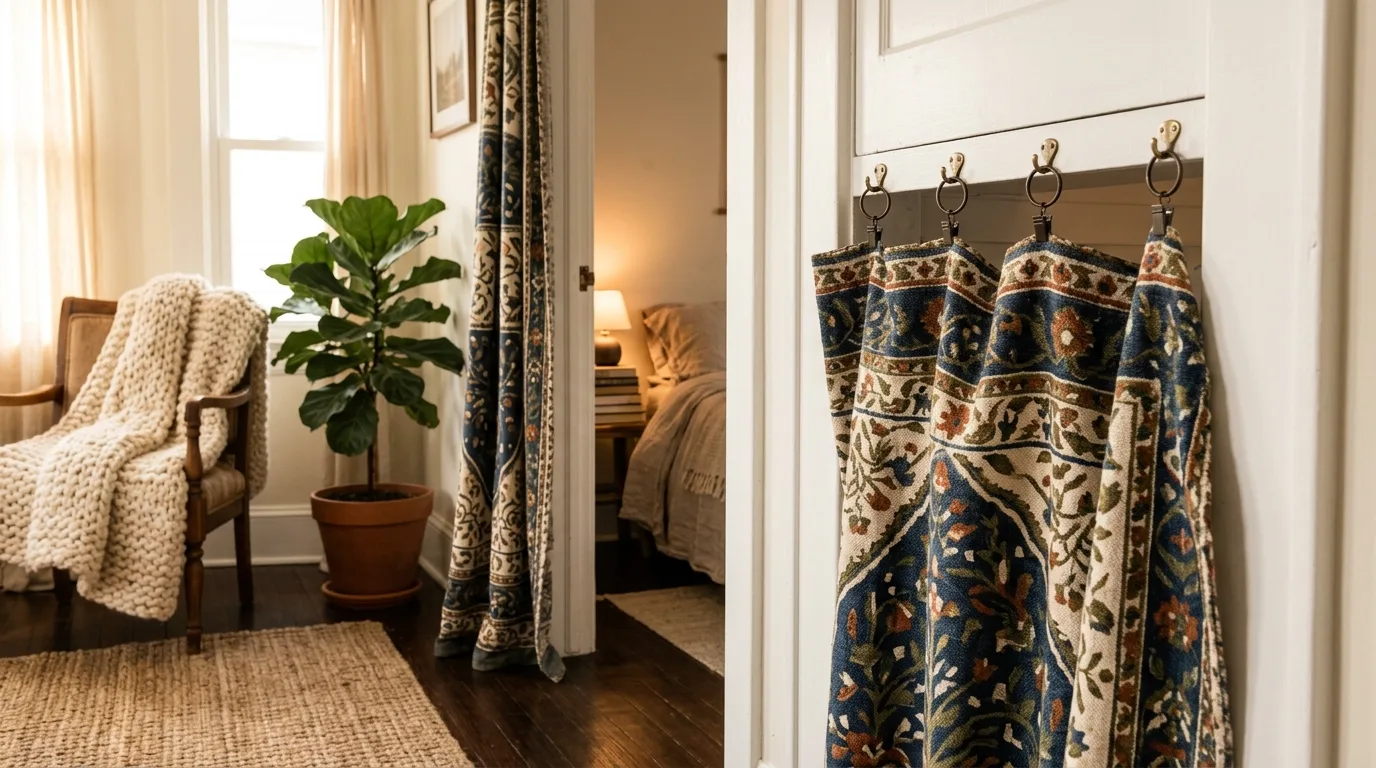
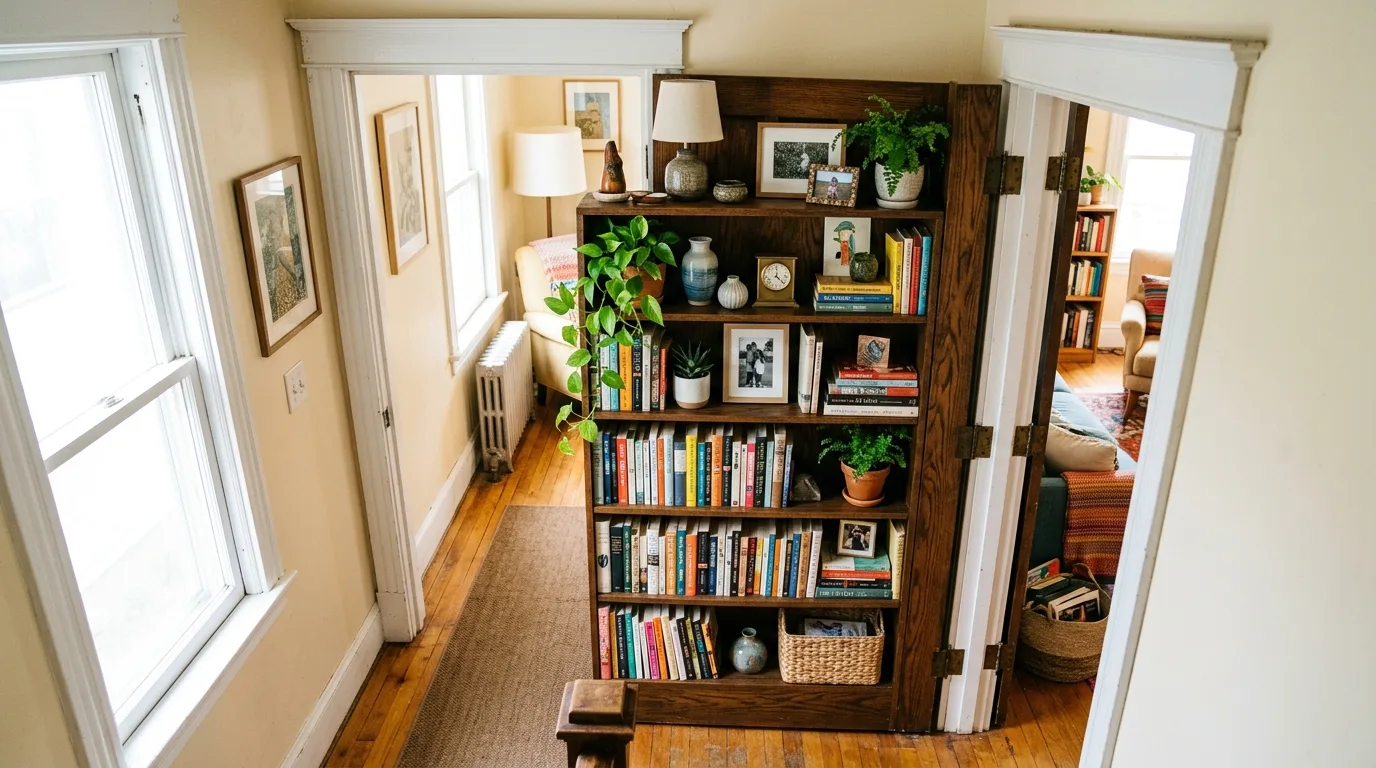
Use bookcases or dividers strategically
Sometimes privacy can come from a furniture-based barrier that creates separation visually while still offering useful storage.
Styling tip: Use one contained storage zone so the room stays easier to maintain day to day.
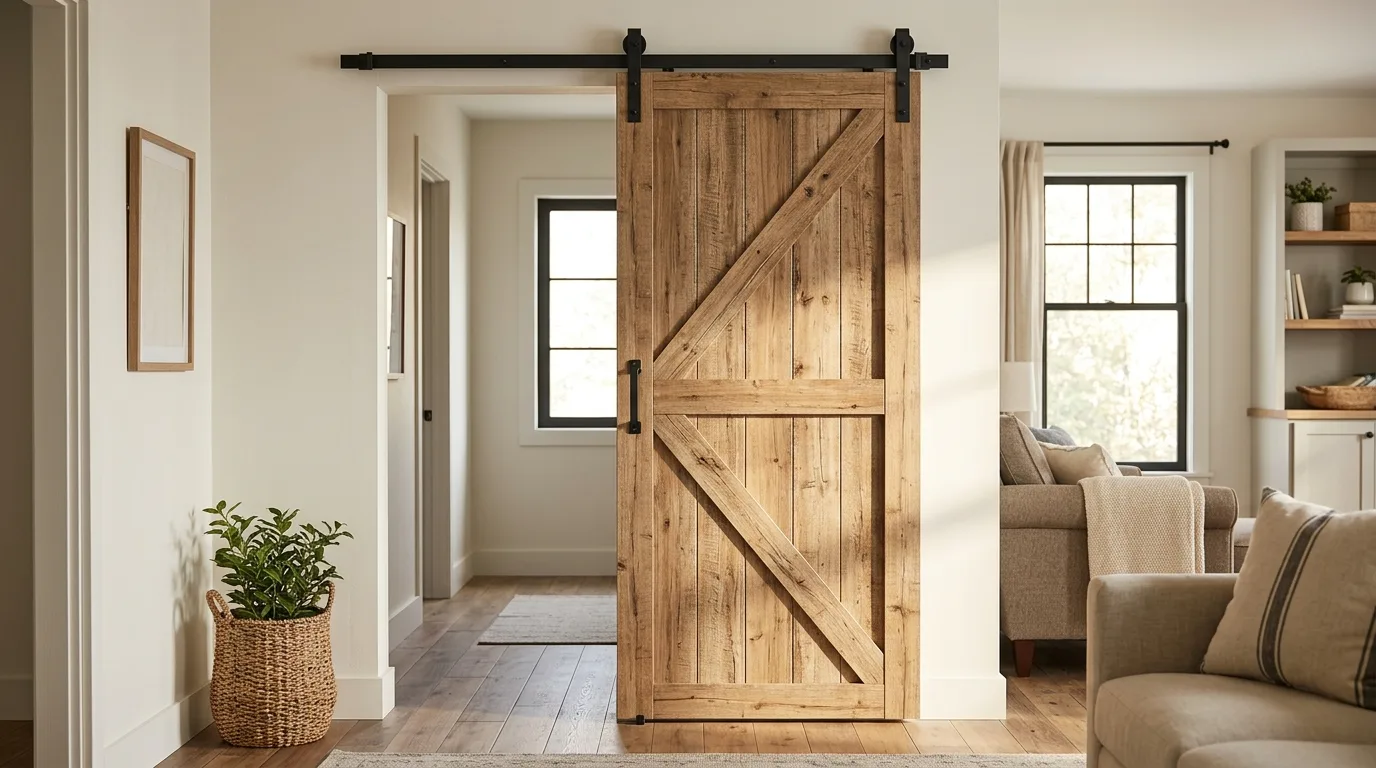
Try lightweight barn-style alternatives
Some temporary systems mimic the look of barn doors without requiring heavy permanent hardware, which can be great for renters.
Styling tip: Keep the lighting warm and soft so the setup feels inviting instead of harsh.
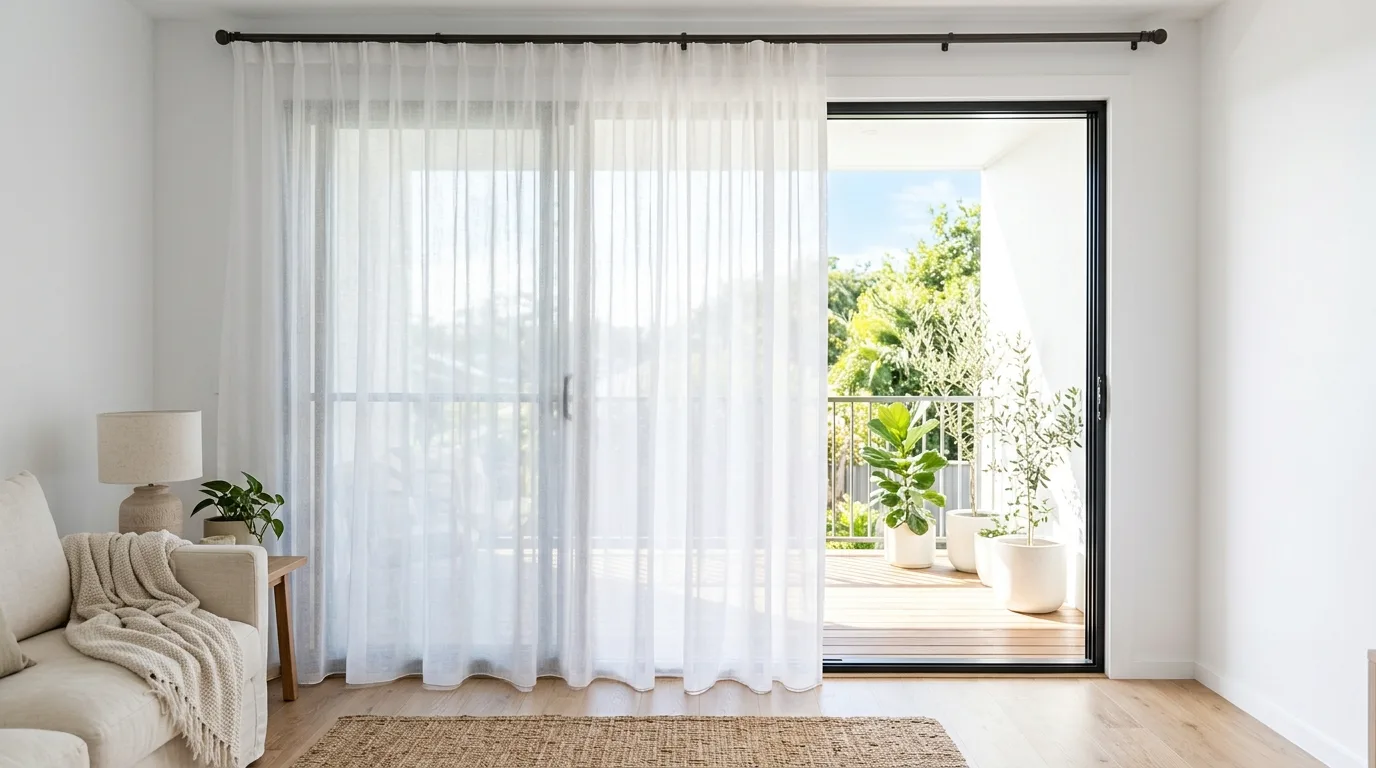
Use frosted or translucent panels
If you want separation without losing all the light, this can be a strong option for studio apartments or shared spaces.
Styling tip: Keep the lighting warm and soft so the setup feels inviting instead of harsh.
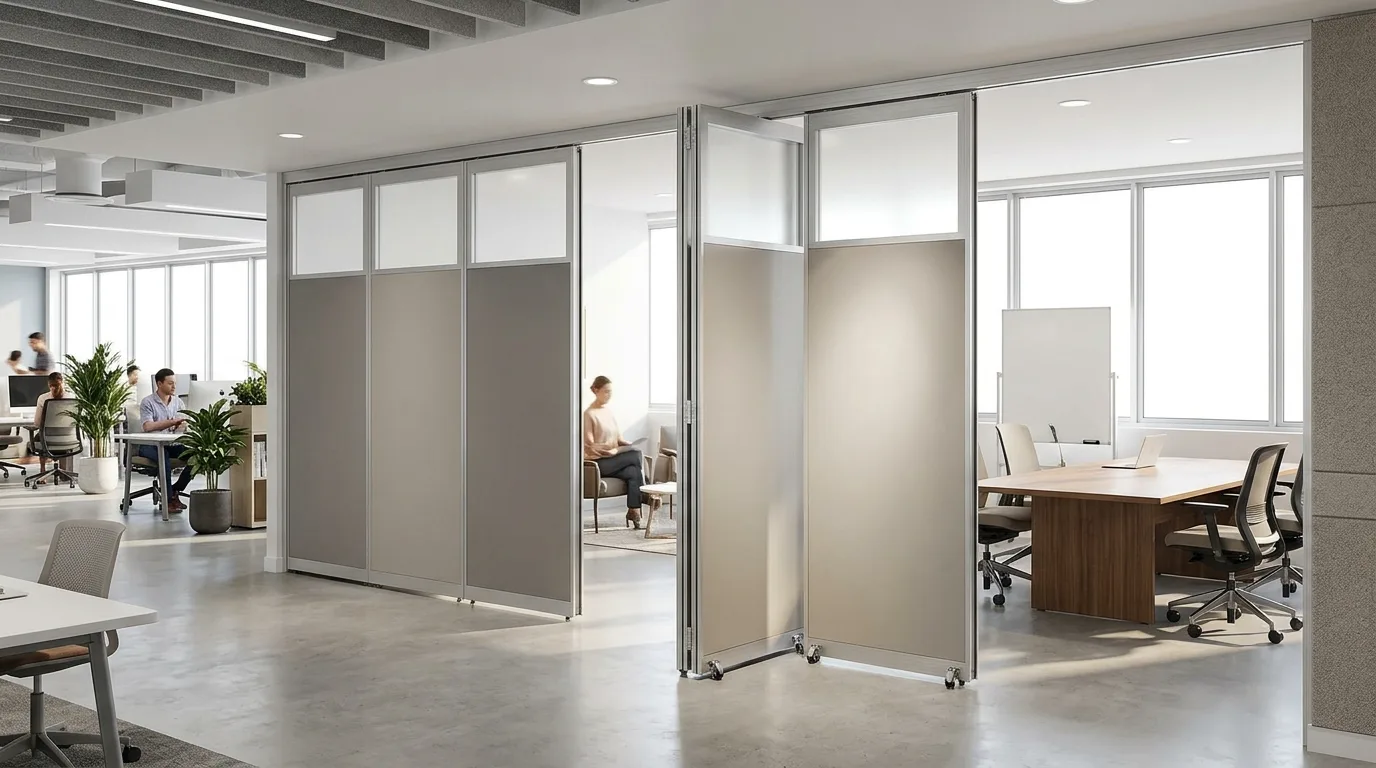
Think about sound as well as sightlines
Some temporary doors help visually, but not acoustically. The best choice depends on whether you mainly need privacy, quiet, or both.
Styling tip: Focus on renter-friendly solutions work best when installation stays light and reversible.
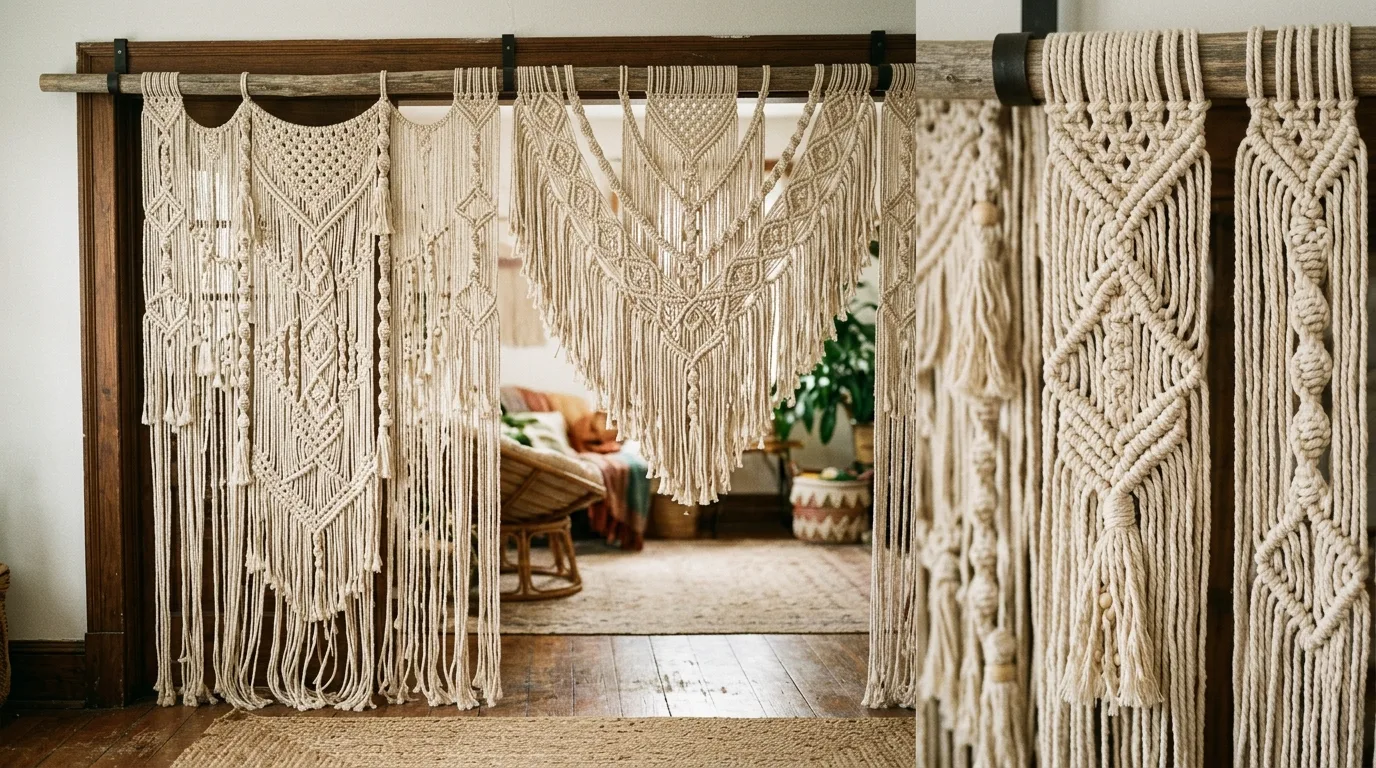
Match the solution to the room style
A temporary door still looks better when the fabric, frame, or finish feels connected to the rest of the home rather than improvised.
Styling tip: Give the wall feature enough blank space around it so it can read as a focal point.
Keep it easy to remove or adapt
The real strength of a temporary solution is flexibility. A good setup should help now without becoming a bigger problem later.
Styling tip: Focus on temporary doors should create privacy without making the space harder to live in.
Final Takeaway
Temporary door solutions can make a huge difference in rented spaces or awkward layouts where privacy is needed but permanent changes are not possible. Start with temporary doors should create privacy without making the space harder to live in, then build around the pieces that make the space feel easier to use and nicer to look at every day.